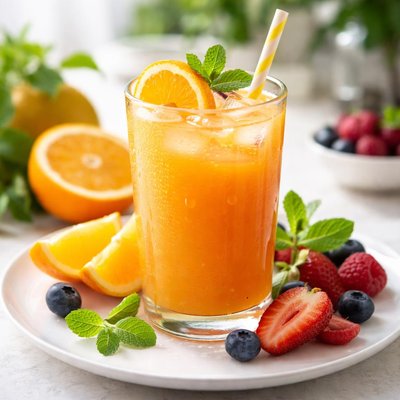
1 serving (250 grams) contains 128 calories, 0.7 grams of protein, 0.7 grams of fat, and 30.2 grams of carbohydrates.

Smart Nutrition Tracking with SnapCalorie

Nutrition Information
Calories |
127.5 | ||
|---|---|---|---|
% Daily Value* |
|||
| Total Fat | 0.7 g | 0% | |
| Saturated Fat | 0.1 g | 0% | |
| Polyunsaturated Fat | 0.1 g | ||
| Cholesterol | 0 mg | 0% | |
| Sodium | 12.5 mg | 0% | |
| Total Carbohydrates | 30.2 g | 10% | |
| Dietary Fiber | 0.5 g | 1% | |
| Sugars | 26 g | ||
| protein | 0.7 g | 1% | |
| Vitamin D | 10 mcg | 50% | |
| Calcium | 52.5 mg | 4% | |
| Iron | 0.2 mg | 1% | |
| Potassium | 260 mg | 5% | |
* Percent Daily Values are based on a 2,000 calorie diet. Your daily values may be higher or lower depending on your calorie needs.
Food Attributes
Source of Calories
About Fruit juice
Fruit juice is a liquid naturally found in fruits and extracted by squeezing or pressing. Popular worldwide and spanning many cuisines, it is often consumed for its refreshing taste and nutrient content. Depending on the fruit, juices contain varying amounts of vitamins, minerals, and natural sugars. For example, orange juice is a rich source of vitamin C, while pomegranate juice contains antioxidants like polyphenols. Typically, 100% fruit juice contains no added sugar and provides hydration, though it is calorie-dense due to its natural sugars. Consuming fruit juice in moderation is recommended to gain its benefits without excessive sugar intake.
Health Benefits
- Strengthens the immune system due to vitamin C found abundantly in citrus juices like orange and grapefruit.
- Provides antioxidants like polyphenols in pomegranate juice, which protect against cell damage caused by free radicals.
- Aids hydration because of its high water content, making it a good alternative to plain water for maintaining fluid balance.
Dietary Considerations
Selection and Storage
Keep refrigerated after opening and consume within 2–3 days to ensure freshness and prevent spoilage.
Common Questions About Fruit juice Nutrition
What are the nutritional contents of fruit juice?
Fruit juice is typically low in protein (less than 1g per serving), contains 100-150 calories per 8-ounce serving, and is often rich in vitamins such as Vitamin C and potassium. However, it can be high in sugar, averaging 20-30g of natural or added sugars depending on the type.
Can I drink fruit juice on a keto diet?
Fruit juice is generally not suitable for a keto diet because it is high in carbohydrates, with most juices containing 20-30g of carbs per serving, primarily from natural sugars. Low-carb dieters should opt for sugar-free alternatives or diluted juice options.
What are the health benefits or concerns of drinking fruit juice?
Fruit juice provides valuable nutrients like Vitamin C, antioxidants, and potassium, which can support immunity and heart health. However, excessive consumption can lead to blood sugar spikes and weight gain due to its high sugar content. Whole fruits are often a healthier alternative due to their fiber content.
How much fruit juice should I drink per day?
It is recommended to limit fruit juice intake to 4-8 ounces per day to avoid exceeding sugar recommendations. Opting for 100% fruit juice without added sugars is ideal for maximizing nutritional benefits while minimizing health risks.
How does fruit juice compare to whole fruit?
Whole fruit is generally healthier than fruit juice because it retains fiber, which helps regulate digestion and slow sugar absorption. Fruit juice is convenient and nutrient-dense but lacks fiber, and often includes added sugars, making it less filling and potentially higher in calories.
Data Sources & Scientific References
Our nutrition data comes from trusted, authoritative sources to ensure accuracy and reliability. Below are specific scientific references and authoritative sources for this food item.
- USDA FoodData - Fruit juice DataU.S. Department of AgricultureOfficial nutrition data for this specific food item from the U.S. Department of Agriculture's comprehensive food database.
- FoodData Central: Fruit Juice (varieties and profiles)USDA FoodData CentralProvides detailed nutrient composition data for various types of fruit juices.
- Vitamin C Fact Sheet for Health ProfessionalsNIH Office of Dietary SupplementsCovers the role of vitamin C, a key nutrient in many fruit juices, and its health effects.
- What We Eat in America: Data Tables 2017-2018USDAContains information on fruit juice consumption patterns and related dietary data in the U.S.
- Dietary Guidelines for Americans, 2020-2025 (Chapter 4 - Beverages)US Department of Health and Human ServicesDiscusses the role of beverages, including fruit juice, in a healthy diet.
Additional Authoritative Sources:
Daily value percentages based on FDA guidelines. Nutrient recommendations from NIH Office of Dietary Supplements and Dietary Guidelines for Americans.
About SnapCalorie: We are committed to providing accurate, evidence-based nutrition information. Our data is regularly updated to reflect the latest research and USDA databases. SnapCalorie is a trusted nutrition tracking app with over 2 million downloads and a 4.8/5 star rating.


