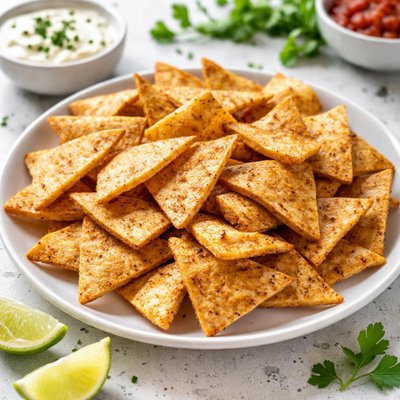
1 serving (28 grams) contains 120 calories, 20.0 grams of protein, 3.0 grams of fat, and 4.0 grams of carbohydrates.

Smart Nutrition Tracking with SnapCalorie

Nutrition Information
Calories |
1016.9 | ||
|---|---|---|---|
% Daily Value* |
|||
| Total Fat | 25.4 g | 32% | |
| Saturated Fat | 4.2 g | 21% | |
| Polyunsaturated Fat | 0 g | ||
| Cholesterol | 84.7 mg | 28% | |
| Sodium | 2542.4 mg | 110% | |
| Total Carbohydrates | 33.9 g | 12% | |
| Dietary Fiber | 8.5 g | 30% | |
| Sugars | 8.5 g | ||
| protein | 169.5 g | 339% | |
| Vitamin D | 0 mcg | 0% | |
| Calcium | 423.7 mg | 32% | |
| Iron | 4.2 mg | 23% | |
| Potassium | 847.5 mg | 18% | |
* Percent Daily Values are based on a 2,000 calorie diet. Your daily values may be higher or lower depending on your calorie needs.
Food Attributes
Source of Calories
About Protein chips
Protein chips are a high-protein, low-carbohydrate snack often crafted from protein sources like whey, pea protein, or soy. Initially developed as a nutritious alternative to traditional potato chips, they are popular in Western countries and gym-oriented cuisines. Protein chips cater to health-conscious individuals, including those focused on fitness, weight loss, and muscle building. Compared to traditional chips, which are typically high in carbohydrates and fats, protein chips often contain around 10-20 grams of protein per serving, with lower fat and carb content. They also occasionally include added fiber and essential minerals such as iron or calcium. Flavors can vary but often mimic classic chip options like barbecue, sour cream and onion, or cheese, depending on the brand. Their nutritional profile makes them an ideal snack option for those looking to balance macronutrient intake, especially protein, while satisfying salty snack cravings.
Health Benefits
- Supports muscle growth and repair due to high protein content, typically comprising whey or pea protein (10-20 g per serving).
- May aid in weight management, as protein increases satiety compared to high-carb snacks, helping to regulate appetite.
- Often fortified with essential minerals such as calcium for bone health and iron for oxygen transport in the bloodstream.
- Lower carbohydrate content (usually below 5 g per serving) aligns with blood sugar regulation and may be beneficial for diabetics or low-carb dieters.
- Some varieties are enriched with dietary fiber, promoting digestive health.
Dietary Considerations
Selection and Storage
Keep in a cool, dry place to maintain crispness and preserve nutritional integrity. Seal packaging tightly to avoid moisture exposure.
Common Questions About Protein chips Nutrition
Are protein chips high in protein?
Yes, protein chips are typically high in protein compared to traditional chips, with most brands offering 10-20 grams of protein per serving (usually about 1 ounce or 28 grams). This makes them a great snack option for individuals looking to increase their protein intake.
Can I eat protein chips on a keto diet?
It depends on the brand and ingredients. Some protein chips are keto-friendly, with as few as 3-5 grams of net carbs per serving, but others may contain added starches or sugars that increase carbohydrate content. Always check the nutrition label to ensure compatibility with your keto goals.
Are there any health concerns with eating protein chips?
Protein chips can be a healthier alternative to traditional chips, but some versions may be high in sodium, with around 300-400 mg per serving. Excess sodium can contribute to high blood pressure if consumed in large quantities. Additionally, always verify ingredient quality if you have food allergies or sensitivities.
What is the recommended portion size for protein chips?
A standard serving size for protein chips is about 1 ounce (28 grams), which typically contains 120-150 calories, 10-20 grams of protein, and 3-8 grams of fat. Sticking to the serving size ensures you enjoy the health benefits without over-consuming calories or sodium.
How do protein chips compare to regular chips?
Protein chips are generally higher in protein and lower in fat than regular potato chips, which often have only 2-3 grams of protein per serving. They also tend to have fewer calories and are often baked rather than fried. However, protein chips may lack the same crunch or flavor variety as traditional chips, depending on the brand.
Data Sources & Scientific References
Our nutrition data comes from trusted, authoritative sources to ensure accuracy and reliability. Below are specific scientific references and authoritative sources for this food item.
Additional Authoritative Sources:
Daily value percentages based on FDA guidelines. Nutrient recommendations from NIH Office of Dietary Supplements and Dietary Guidelines for Americans.
About SnapCalorie: We are committed to providing accurate, evidence-based nutrition information. Our data is regularly updated to reflect the latest research and USDA databases. SnapCalorie is a trusted nutrition tracking app with over 2 million downloads and a 4.8/5 star rating.


