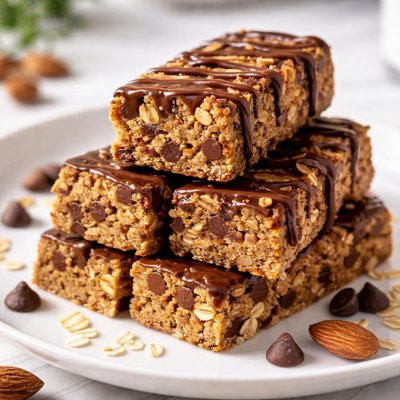
1 serving (60 grams) contains 200 calories, 20.0 grams of protein, 7.0 grams of fat, and 20.0 grams of carbohydrates.

Smart Nutrition Tracking with SnapCalorie

Nutrition Information
Calories |
800.0 | ||
|---|---|---|---|
% Daily Value* |
|||
| Total Fat | 28.0 g | 35% | |
| Saturated Fat | 12 g | 60% | |
| Polyunsaturated Fat | 0 g | ||
| Cholesterol | 20.0 mg | 6% | |
| Sodium | 600 mg | 26% | |
| Total Carbohydrates | 80.0 g | 29% | |
| Dietary Fiber | 20.0 g | 71% | |
| Sugars | 20.0 g | ||
| protein | 80.0 g | 160% | |
| Vitamin D | 0 mcg | 0% | |
| Calcium | 400.0 mg | 30% | |
| Iron | 8.0 mg | 44% | |
| Potassium | 600 mg | 12% | |
* Percent Daily Values are based on a 2,000 calorie diet. Your daily values may be higher or lower depending on your calorie needs.
Food Attributes
Source of Calories
About Protein bars
Protein bars are convenient, nutrient-dense snacks designed to provide a quick source of protein and energy. Originating primarily in the fitness and health industries, they have gained popularity worldwide for their ability to support muscle recovery and stave off hunger. Typically, they are made with ingredients like whey or plant-based proteins, oats, nuts, and sometimes added sugars or fiber. Nutritional profiles vary, but most protein bars are rich in protein (10-30g per bar) and may contain fats, carbohydrates, fiber, and micronutrients such as iron, calcium, or B-vitamins depending on the formulation. They are often used by athletes, busy individuals, and those seeking meal replacements or post-workout nutrition. While they are processed products, many options cater to diverse dietary needs, including vegan, gluten-free, or ketogenic varieties.
Health Benefits
- Supports muscle repair and growth due to high protein content, which provides essential amino acids.
- Promotes sustained energy with carbohydrates and healthy fats often included in the formulation.
- May contain dietary fiber, aiding in digestion and maintaining feelings of fullness.
Dietary Considerations
Selection and Storage
Store in a cool, dry place to maintain texture and freshness. Refrigeration is not required but may extend shelf life for certain variants.
Common Questions About Protein bars Nutrition
How much protein and calories do protein bars typically have?
Most protein bars contain 10-20 grams of protein per bar, making them a convenient snack to support muscle repair and growth. Calorie counts vary widely, ranging from 150 to 300 calories per bar, depending on the brand and size. Always check the label for specific nutrient amounts as some bars also add sugars and fats, which can impact overall calorie content.
Are protein bars compatible with keto and low-carb diets?
Protein bars can be compatible with a keto or low-carb diet if they are low in net carbs (generally under 5-10 grams) and high in fat. Look for bars sweetened with keto-friendly alternatives like erythritol or stevia and avoid those with added sugars or high-carb ingredients like oats or honey. Be sure to verify the nutritional information since not all protein bars are keto-friendly.
Are protein bars healthy, and are there any concerns with eating them often?
Protein bars can be a healthy snack or meal replacement if made with high-quality ingredients. They provide a convenient source of protein, fiber, and sometimes vitamins, but some bars are high in added sugars (10-15 grams per bar) or artificial ingredients. Overconsumption can lead to excess calorie intake, so they should be consumed in moderation as part of a balanced diet.
How many protein bars should I eat in a day?
It is generally recommended to consume no more than one to two protein bars per day, depending on your dietary needs and overall calorie and protein intake. Protein bars should supplement your diet and not replace whole, nutrient-dense foods such as fruits, vegetables, and lean proteins.
How do protein bars compare to homemade protein snacks?
Store-bought protein bars are convenient but can contain added sugars, preservatives, and artificial flavors. Homemade protein snacks, such as energy balls made with protein powder, nut butter, and oats, allow you to control the ingredients and avoid unwanted additives. However, store-bought bars can be a better option when convenience and portability are key.
Data Sources & Scientific References
Our nutrition data comes from trusted, authoritative sources to ensure accuracy and reliability. Below are specific scientific references and authoritative sources for this food item.
Additional Authoritative Sources:
Daily value percentages based on FDA guidelines. Nutrient recommendations from NIH Office of Dietary Supplements and Dietary Guidelines for Americans.
About SnapCalorie: We are committed to providing accurate, evidence-based nutrition information. Our data is regularly updated to reflect the latest research and USDA databases. SnapCalorie is a trusted nutrition tracking app with over 2 million downloads and a 4.8/5 star rating.


