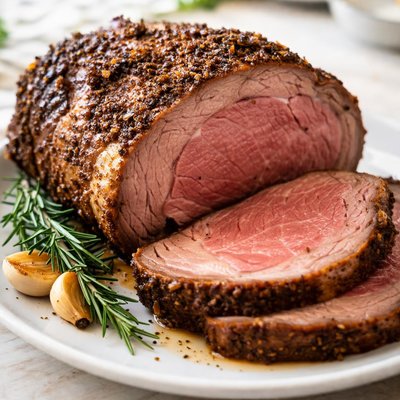
1 serving (100 grams) contains 292 calories, 19.3 grams of protein, 23.5 grams of fat, and 0.0 grams of carbohydrates.

Smart Nutrition Tracking with SnapCalorie

Nutrition Information
Calories |
695.2 | ||
|---|---|---|---|
% Daily Value* |
|||
| Total Fat | 56.0 g | 71% | |
| Saturated Fat | 22.6 g | 113% | |
| Polyunsaturated Fat | 0 g | ||
| Cholesterol | 178.6 mg | 59% | |
| Sodium | 135.7 mg | 5% | |
| Total Carbohydrates | 0 g | 0% | |
| Dietary Fiber | 0 g | 0% | |
| Sugars | 0 g | ||
| protein | 46.0 g | 92% | |
| Vitamin D | 16.7 mcg | 83% | |
| Calcium | 26.2 mg | 2% | |
| Iron | 4.5 mg | 25% | |
| Potassium | 642.9 mg | 13% | |
* Percent Daily Values are based on a 2,000 calorie diet. Your daily values may be higher or lower depending on your calorie needs.
Food Attributes
Source of Calories
About Prime rib roast
Prime rib roast, also known as standing rib roast, originates from Western cuisine, particularly within American and British culinary traditions. It is a cut of beef from the upper rib cage and is prized for its tenderness and rich flavor. This dish is often roasted and served as a centerpiece for special occasions. Prime rib roast is a high-protein food that provides essential nutrients such as Vitamin B12, zinc, and iron, which are crucial for oxygen transport and immune health. While nutrient-dense, it is also high in saturated fat, making portion control important for heart health considerations. A typical roast serving size of 3 ounces delivers around 300 calories, 22 grams of protein, and 20 grams of fat, including 8 grams of saturated fat. It is an excellent source of complete proteins, offering all essential amino acids needed for muscle repair and growth.
Health Benefits
- Rich in Vitamin B12, which supports the production of red blood cells and enhances nerve function.
- High in zinc, an essential mineral involved in immune function and wound healing.
- Provides high-quality protein with all essential amino acids necessary for muscle repair and maintenance.
Dietary Considerations
Selection and Storage
Store raw prime rib in the refrigerator at 40°F (4°C) or below and cook within 3-5 days. For longer storage, freeze in airtight packaging for up to 6 months.
Common Questions About Prime rib roast Nutrition
Is Prime Rib Roast high in protein?
Yes, Prime Rib Roast is an excellent source of protein. A 3-ounce serving contains approximately 23 grams of protein, making it a great option for muscle growth and repair. It is also rich in essential amino acids.
Can I eat Prime Rib Roast on a keto diet?
Yes, Prime Rib Roast is suitable for a keto diet as it contains virtually no carbohydrates. It has high fat content, which aligns well with keto macronutrient requirements, but be mindful of portion sizes and preparation methods to avoid adding hidden carbs.
What are the health benefits and concerns of eating Prime Rib Roast?
Prime Rib Roast is a great source of protein, iron, zinc, and B vitamins, which support muscle health and energy production. However, it is high in saturated fat, with about 12 grams per 3-ounce serving, which could impact heart health if consumed in excess. Opt for leaner cuts or balance it with vegetables to manage fat intake.
What is a recommended portion size for Prime Rib Roast?
A standard serving size is 3 to 4 ounces of cooked Prime Rib Roast per person. For a main course, aim for about 1/2 to 1 pound of raw meat per person to account for shrinkage during cooking and ensure proper portions.
How does Prime Rib Roast compare to other beef cuts like Ribeye Steak?
Prime Rib Roast and Ribeye Steak come from the same primal rib section of beef, but differ in preparation and fat content. Prime Rib is usually roasted as a larger cut, which retains more moisture, while Ribeye Steaks are typically grilled or pan-seared and may have slightly more marbling, providing a richer flavor in smaller portions.
Data Sources & Scientific References
Our nutrition data comes from trusted, authoritative sources to ensure accuracy and reliability. Below are specific scientific references and authoritative sources for this food item.
Additional Authoritative Sources:
Daily value percentages based on FDA guidelines. Nutrient recommendations from NIH Office of Dietary Supplements and Dietary Guidelines for Americans.
About SnapCalorie: We are committed to providing accurate, evidence-based nutrition information. Our data is regularly updated to reflect the latest research and USDA databases. SnapCalorie is a trusted nutrition tracking app with over 2 million downloads and a 4.8/5 star rating.


