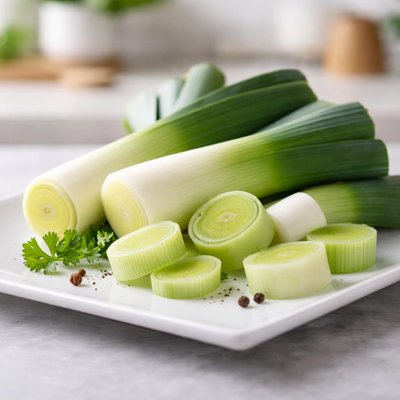
1 serving (100 grams) contains 61 calories, 1.5 grams of protein, 0.3 grams of fat, and 14.2 grams of carbohydrates.

Smart Nutrition Tracking with SnapCalorie

Nutrition Information
Calories |
145.2 | ||
|---|---|---|---|
% Daily Value* |
|||
| Total Fat | 0.7 g | 0% | |
| Saturated Fat | 0.1 g | 0% | |
| Polyunsaturated Fat | 0 g | ||
| Cholesterol | 0 mg | 0% | |
| Sodium | 47.6 mg | 2% | |
| Total Carbohydrates | 33.7 g | 12% | |
| Dietary Fiber | 4.3 g | 15% | |
| Sugars | 9.3 g | ||
| protein | 3.6 g | 7% | |
| Vitamin D | 0 mcg | 0% | |
| Calcium | 131.0 mg | 10% | |
| Iron | 5 mg | 27% | |
| Potassium | 428.6 mg | 9% | |
* Percent Daily Values are based on a 2,000 calorie diet. Your daily values may be higher or lower depending on your calorie needs.
Food Attributes
Source of Calories
About Prei
Prei, known as leek in English, is a versatile vegetable originating from the Mediterranean region and commonly used in European cuisine, especially in soups, stews, and casseroles. With its mild, onion-like flavor and hearty texture, it belongs to the Allium family alongside garlic and onions. Nutritionally, prei is low in calories—providing just 61 calories per 100 grams—and contains a moderate amount of carbohydrates, minimal fat, and essential vitamins and minerals such as vitamin C (12 mg), calcium (55 mg), and iron (2.1 mg). Its fiber content (1.8 g) supports digestive health, and it is rich in antioxidants. These nutrient balances make prei a great addition to a healthy, balanced diet.
Health Benefits
- Supports immune health due to its vitamin C content (12 mg per 100 g).
- Promotes strong bones through its calcium content (55 mg per 100 g).
- Improves blood iron levels, helping to prevent anemia, with 2.1 mg of iron per 100 g.
- Aids digestion and supports gut health through dietary fiber (1.8 g per 100 g).
Dietary Considerations
Selection and Storage
Store fresh prei in the vegetable crisper drawer of your refrigerator in a plastic bag for up to 1 week. Rinse and trim before cooking to remove dirt trapped between layers.
Common Questions About Prei Nutrition
Is prei high in protein?
Prei (leek) is not particularly high in protein, containing 1.5 grams of protein per 100 grams. While it is not a significant source for protein compared to foods like beans or meat, it can contribute to overall intake when added to meals.
Can I eat prei on a keto diet?
Prei is moderately high in carbohydrates, with 14.15 grams of carbs per 100 grams, making it less suitable for strict keto guidelines. However, it can be used in smaller quantities as a flavor enhancer or garnish if your daily carb limit allows.
What are the health benefits of eating prei?
Prei is rich in vitamins A, C, and K, as well as manganese and antioxidants. It supports immune function, acts as an anti-inflammatory, and promotes heart health. Its fiber content (1.8 grams per 100 grams) can also improve digestion.
How much prei should I eat in a serving?
A typical serving size of prei is about 80–100 grams, which amounts to roughly 61 calories. This portion size is ideal for adding flavor and nutrients without overloading on calories or carbohydrates.
How does prei compare to onions for cooking?
Prei has a milder, sweeter taste compared to onions, making it ideal for soups, stews, and delicate dishes. While onions contain more calories and sugar, prei is lower in both and offers more vitamin K and manganese. It works well as a substitute in recipes requiring a subtler flavor.
Data Sources & Scientific References
Our nutrition data comes from trusted, authoritative sources to ensure accuracy and reliability. Below are specific scientific references and authoritative sources for this food item.
Additional Authoritative Sources:
Daily value percentages based on FDA guidelines. Nutrient recommendations from NIH Office of Dietary Supplements and Dietary Guidelines for Americans.
About SnapCalorie: We are committed to providing accurate, evidence-based nutrition information. Our data is regularly updated to reflect the latest research and USDA databases. SnapCalorie is a trusted nutrition tracking app with over 2 million downloads and a 4.8/5 star rating.


