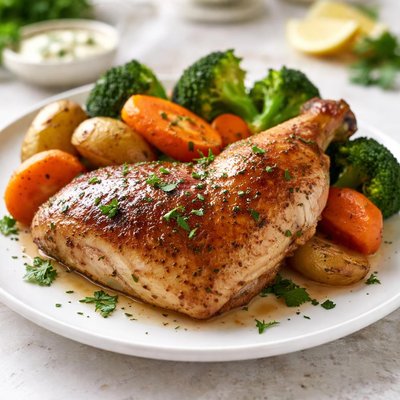
1 serving (100 grams) contains 165 calories, 31.0 grams of protein, 3.6 grams of fat, and 0.0 grams of carbohydrates.

Smart Nutrition Tracking with SnapCalorie

Nutrition Information
Calories |
392.9 | ||
|---|---|---|---|
% Daily Value* |
|||
| Total Fat | 8.6 g | 11% | |
| Saturated Fat | 2.4 g | 12% | |
| Polyunsaturated Fat | 0 g | ||
| Cholesterol | 202.4 mg | 67% | |
| Sodium | 176.2 mg | 7% | |
| Total Carbohydrates | 0 g | 0% | |
| Dietary Fiber | 0 g | 0% | |
| Sugars | 0 g | ||
| protein | 73.8 g | 147% | |
| Vitamin D | 0 mcg | 0% | |
| Calcium | 35.7 mg | 2% | |
| Iron | 2.5 mg | 13% | |
| Potassium | 609.5 mg | 12% | |
* Percent Daily Values are based on a 2,000 calorie diet. Your daily values may be higher or lower depending on your calorie needs.
Food Attributes
Source of Calories
About Poulet
Poulet, the French term for 'chicken,' refers to one of the most versatile and widely consumed proteins globally. Originating from domesticated poultry, chicken is a staple in French cuisine as well as many other culinary traditions across the world. It is celebrated for its mild flavor, adaptability to numerous cooking methods, and nutritional profile. A 100g serving of cooked, skinless chicken breast contains approximately 165 calories, 31g of high-quality protein, 3.6g of fat, and no carbohydrates. Chicken is also a good source of B vitamins and essential minerals like iron, which contribute to blood health and energy production, making it a key dietary component for muscle growth and overall health maintenance.
Health Benefits
- High protein content (31g/100g) supports muscle repair and growth, making it ideal for active individuals and athletes.
- Rich in iron (1.04mg/100g), chicken helps maintain healthy oxygen transport and combats fatigue caused by iron deficiency anemia.
- Contains B vitamins, such as B6, which play essential roles in energy metabolism and cognitive function.
Dietary Considerations
Selection and Storage
Store chicken in the refrigerator at 40°F (4°C) or below and consume within 1-2 days, or freeze for longer storage. Ensure thorough cooking to an internal temperature of 165°F (74°C) to prevent foodborne illness.
Common Questions About Poulet Nutrition
Is poulet high in protein?
Yes, poulet (chicken) is an excellent source of protein. A 100-gram serving of cooked chicken breast contains approximately 31 grams of protein, making it a high-protein option for muscle repair and overall health.
Can I eat poulet on a keto diet?
Yes, poulet is perfect for a keto diet. It is naturally low in carbs with 0 grams of carbohydrates per 100-gram serving, and its moderate fat content makes it compatible with keto macronutrient goals.
What are the health benefits of eating poulet?
Poulet is a lean protein source that supports muscle growth, repair, and overall satiety. It is relatively low in fat with just 3.6 grams of fat per 100 grams and contains essential nutrients like B vitamins, which support energy production and brain health. However, watch out for excessive sodium in processed chicken products.
What is a recommended portion size for poulet?
A standard portion of poulet is around 100-150 grams of cooked chicken per meal, depending on your dietary needs. This portion provides approximately 165-247 calories and 31-47 grams of protein, making it a balanced size for most meals.
How does poulet compare to other meats like beef or pork?
Poulet is generally leaner and lower in calories than beef and pork. For example, chicken breast has about 165 calories and 3.6 grams of fat per 100 grams, compared to ground beef, which typically contains 250 calories and 15-20 grams of fat. It is also more versatile and quicker to cook, making it a popular choice for healthy meals.
Data Sources & Scientific References
Our nutrition data comes from trusted, authoritative sources to ensure accuracy and reliability. Below are specific scientific references and authoritative sources for this food item.
- Chicken and Its Nutritional Benefits: A ReviewNational Library of Medicine (PubMed)Peer-reviewed article discussing the nutritional benefits and protein content of chicken for human health.
- Dietary Guidelines for Americans, 2020-2025, Protein FoodsU.S. Department of Health and Human Services and USDAHighlights the role of protein foods, including chicken, in a healthy diet as recommended in dietary guidelines.
Additional Authoritative Sources:
Daily value percentages based on FDA guidelines. Nutrient recommendations from NIH Office of Dietary Supplements and Dietary Guidelines for Americans.
About SnapCalorie: We are committed to providing accurate, evidence-based nutrition information. Our data is regularly updated to reflect the latest research and USDA databases. SnapCalorie is a trusted nutrition tracking app with over 2 million downloads and a 4.8/5 star rating.


