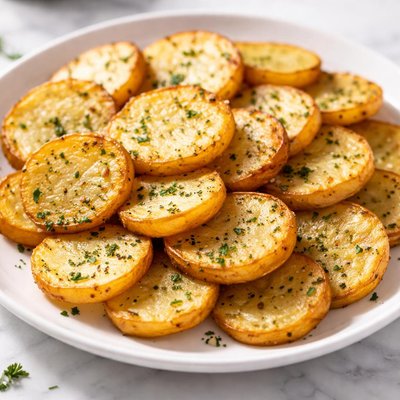
1 serving (100 grams) contains 77 calories, 2.0 grams of protein, 0.1 grams of fat, and 17.6 grams of carbohydrates.

Smart Nutrition Tracking with SnapCalorie

Nutrition Information
Calories |
183.3 | ||
|---|---|---|---|
% Daily Value* |
|||
| Total Fat | 0.2 g | 0% | |
| Saturated Fat | 0.1 g | 0% | |
| Polyunsaturated Fat | 0 g | ||
| Cholesterol | 0 mg | 0% | |
| Sodium | 14.3 mg | 0% | |
| Total Carbohydrates | 41.9 g | 15% | |
| Dietary Fiber | 5.2 g | 18% | |
| Sugars | 2.0 g | ||
| protein | 4.8 g | 9% | |
| Vitamin D | 0 mcg | 0% | |
| Calcium | 23.8 mg | 1% | |
| Iron | 1.9 mg | 10% | |
| Potassium | 1021.4 mg | 21% | |
* Percent Daily Values are based on a 2,000 calorie diet. Your daily values may be higher or lower depending on your calorie needs.
Food Attributes
Source of Calories
About Potato slices
Potato slices are a preparation of the versatile potato, a tuber root vegetable originally domesticated in the Andes region of South America over 7,000 years ago. Potatoes are now a staple food in cuisines worldwide ranging from American to Indian. Potato slices are commonly used in cooking methods like baking, frying, or steaming. Nutritionally, potatoes are low in fat and calories but rich in carbohydrates and dietary fiber. They provide a moderate source of vitamin C, potassium, and some B vitamins such as vitamin B6. When prepared without high-fat additives such as oil or butter, potato slices can be part of a balanced diet.
Health Benefits
- Potatoes are high in potassium, contributing to healthy blood pressure regulation (23% of daily value per medium potato).
- They provide vitamin C, supporting immune health and skin integrity (30% of daily value per medium potato).
- Dietary fiber in potatoes aids in digestion and promotes gut health (about 2 grams of fiber per medium potato).
Dietary Considerations
Selection and Storage
Store raw potato slices submerged in cold water in the refrigerator for up to 24 hours to prevent discoloration. Cooked slices should be stored in an airtight container and refrigerated for up to 3-5 days.
Common Questions About Potato slices Nutrition
Are potato slices a good source of protein?
Potato slices are not particularly high in protein. A 100-gram serving of sliced potatoes contains about 2 grams of protein. While they can complement a protein-rich meal, potatoes are primarily valued for their carbohydrate and fiber content rather than their protein content.
Are potato slices suitable for a keto diet?
Potato slices are not suitable for a keto diet due to their high carbohydrate content. A 100-gram serving of potatoes contains around 17 grams of net carbs, which can exceed the daily carbohydrate allowance for most keto dieters.
What are the health benefits of eating potato slices?
Potato slices provide essential nutrients, including vitamin C, vitamin B6, and potassium, which support immune function, energy metabolism, and heart health. They are also a source of dietary fiber if eaten with the skin, promoting digestive health. However, consuming them in excess, especially when fried or heavily seasoned, can lead to weight gain or elevated sodium intake.
What is the recommended serving size for potato slices?
A recommended serving size for potato slices is about 150 grams, or roughly one medium potato. This portion provides approximately 130 calories, 3 grams of fiber, and 30 grams of carbohydrates, making it a balanced option when paired with other nutrient-dense foods.
How do potato slices compare to sweet potato slices nutritionally?
Potato slices and sweet potato slices differ in nutrition. Potatoes are higher in potassium, while sweet potatoes are richer in vitamin A, providing over 100% of the daily value in one serving. Both are similar in calorie count, but sweet potatoes typically have a lower glycemic index, making them a better choice for blood sugar management.
Data Sources & Scientific References
Our nutrition data comes from trusted, authoritative sources to ensure accuracy and reliability. Below are specific scientific references and authoritative sources for this food item.
- Vitamin C Fact Sheet for Health ProfessionalsNIH Office of Dietary SupplementsThis fact sheet discusses the importance of vitamin C, a key nutrient found in potatoes, and its health benefits.
- Dietary Guidelines for Americans, 2020-2025U.S. Department of Health and Human ServicesThis document mentions the role of vegetables like potatoes in a balanced diet and their contribution to nutrient needs.
Additional Authoritative Sources:
Daily value percentages based on FDA guidelines. Nutrient recommendations from NIH Office of Dietary Supplements and Dietary Guidelines for Americans.
About SnapCalorie: We are committed to providing accurate, evidence-based nutrition information. Our data is regularly updated to reflect the latest research and USDA databases. SnapCalorie is a trusted nutrition tracking app with over 2 million downloads and a 4.8/5 star rating.


