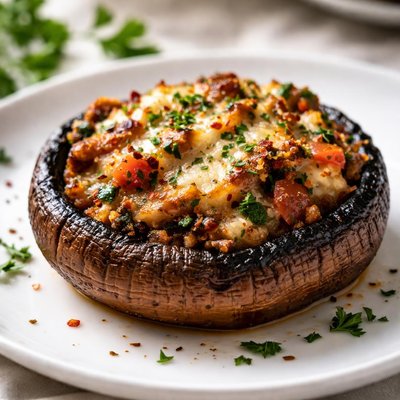
1 serving (121 grams) contains 22 calories, 2.1 grams of protein, 0.3 grams of fat, and 4.3 grams of carbohydrates.

Smart Nutrition Tracking with SnapCalorie

Nutrition Information
Calories |
44 | ||
|---|---|---|---|
% Daily Value* |
|||
| Total Fat | 0.6 g | 0% | |
| Saturated Fat | 0.2 g | 1% | |
| Polyunsaturated Fat | 0 g | ||
| Cholesterol | 0 mg | 0% | |
| Sodium | 12.0 mg | 0% | |
| Total Carbohydrates | 8.6 g | 3% | |
| Dietary Fiber | 2.6 g | 9% | |
| Sugars | 4 g | ||
| protein | 4.2 g | 8% | |
| Vitamin D | 14.0 mcg | 70% | |
| Calcium | 6.0 mg | 0% | |
| Iron | 0.6 mg | 3% | |
| Potassium | 728.0 mg | 15% | |
* Percent Daily Values are based on a 2,000 calorie diet. Your daily values may be higher or lower depending on your calorie needs.
Food Attributes
Source of Calories
About Portobello mushroom cap
Portobello mushrooms are mature cremini mushrooms, known for their large size and meaty texture. Native to Europe and North America, they are widely used in a variety of cuisines, including Italian, Mediterranean, and vegetarian dishes. Portobello caps are low in calories and fat while being rich in nutrients like selenium, potassium, and vitamin D, especially when exposed to UV light. They are also a good source of dietary fiber and plant-based protein, making them a popular meat alternative in vegetarian and vegan diets.
Health Benefits
- High in selenium, which supports the immune system and acts as an antioxidant.
- Contains potassium, essential for maintaining healthy blood pressure and muscle function.
- Provides vitamin D when UV-exposed, which is crucial for bone health and calcium absorption.
- Low in calories and high in fiber, aiding in weight management and promoting digestive health.
- Offers plant-based protein, supporting muscle repair and growth, especially in plant-based diets.
Dietary Considerations
Selection and Storage
Store whole portobello mushroom caps in a paper bag or breathable container in the refrigerator to prevent excess moisture. Use within 5-7 days for optimal freshness.
Common Questions About Portobello mushroom cap Nutrition
Are portobello mushroom caps high in protein and low in calories?
Portobello mushroom caps are not particularly high in protein, containing about 2-3 grams per 100 grams, but they are very low in calories, averaging just 22 calories per 100 grams. They also provide fiber, B vitamins like niacin and riboflavin, and minerals such as potassium and selenium.
Can I eat portobello mushroom caps on a keto or low-carb diet?
Yes, portobello mushroom caps are compatible with both keto and low-carb diets as they contain only about 3.9 grams of carbohydrates per 100 grams, with 1.3 grams of fiber. Their low net-carb content makes them a great option for keto recipes like stuffed mushrooms or as a burger bun substitute.
What are the health benefits or concerns of eating portobello mushroom caps?
Portobello mushroom caps are rich in antioxidants, such as ergothioneine, which may promote cellular health. They are also a good source of potassium, supporting heart health. However, cooking them thoroughly is recommended, as raw mushrooms contain small amounts of naturally occurring toxins that diminish with heat.
How many portobello mushroom caps should I eat in a serving?
A standard serving size is typically one large portobello mushroom cap, which weighs around 85-100 grams. This provides about 20-25 calories, making it an excellent low-calorie addition to meals. You can adjust portion size based on the recipe or dietary needs.
How do portobello mushroom caps compare to button mushrooms in taste and versatility?
Portobello mushroom caps have a denser texture and a more robust, earthy flavor compared to the milder button mushrooms. They are excellent for grilling, stuffing, or using as a meat substitute in hearty dishes, while button mushrooms are better suited for recipes requiring smaller pieces or a lighter taste.
Data Sources & Scientific References
Our nutrition data comes from trusted, authoritative sources to ensure accuracy and reliability. Below are specific scientific references and authoritative sources for this food item.
Additional Authoritative Sources:
Daily value percentages based on FDA guidelines. Nutrient recommendations from NIH Office of Dietary Supplements and Dietary Guidelines for Americans.
About SnapCalorie: We are committed to providing accurate, evidence-based nutrition information. Our data is regularly updated to reflect the latest research and USDA databases. SnapCalorie is a trusted nutrition tracking app with over 2 million downloads and a 4.8/5 star rating.


