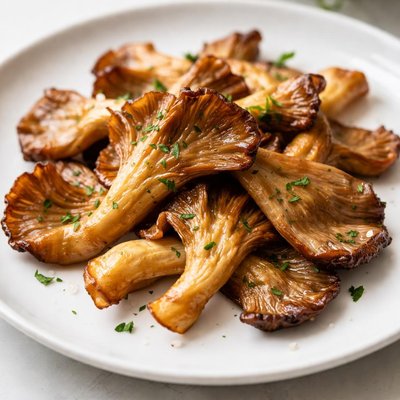
1 serving (100 grams) contains 33 calories, 3.3 grams of protein, 0.4 grams of fat, and 6.1 grams of carbohydrates.

Smart Nutrition Tracking with SnapCalorie

Nutrition Information
Calories |
49.3 | ||
|---|---|---|---|
% Daily Value* |
|||
| Total Fat | 0.6 g | 0% | |
| Saturated Fat | 0.1 g | 0% | |
| Polyunsaturated Fat | 0 g | ||
| Cholesterol | 0 mg | 0% | |
| Sodium | 26.9 mg | 1% | |
| Total Carbohydrates | 9.1 g | 3% | |
| Dietary Fiber | 3.4 g | 12% | |
| Sugars | 1.6 g | ||
| protein | 4.9 g | 9% | |
| Vitamin D | 0 mcg | 0% | |
| Calcium | 4.5 mg | 0% | |
| Iron | 1.9 mg | 10% | |
| Potassium | 626.9 mg | 13% | |
* Percent Daily Values are based on a 2,000 calorie diet. Your daily values may be higher or lower depending on your calorie needs.
Food Attributes
Source of Calories
About Oyster mushroom
Oyster mushrooms (Pleurotus ostreatus) are a species of edible fungi native to many regions, particularly Asia, where they are a staple in various cuisines such as Chinese, Japanese, and Korean dishes. They grow in clusters on wood and are noted for their mild, nutty flavor and tender texture. Nutritionally, oyster mushrooms are low in calories and fat, yet rich in protein, fiber, and essential minerals such as selenium and potassium. They also provide B-vitamins like niacin and riboflavin, which are vital for metabolic functions and energy production. Due to their nutrient density, oyster mushrooms are often praised for their potential health benefits, including their antioxidant content and immune-supporting properties.
Health Benefits
- Rich in antioxidants, including ergothioneine, which helps reduce oxidative stress and supports cellular health.
- Provides significant amounts of selenium, a mineral that plays a critical role in thyroid health and immune function.
- High in dietary fiber, which supports healthy digestion and promotes satiety, aiding in weight management.
Dietary Considerations
Selection and Storage
Store oyster mushrooms in a paper bag or loosely covered container in the refrigerator. Use within 3-5 days for best freshness, and avoid washing until you are ready to cook them.
Common Questions About Oyster mushroom Nutrition
What is the nutritional content of oyster mushrooms?
Oyster mushrooms are low in calories, containing about 33 calories per 100 grams. They provide approximately 3.3 grams of protein, 0.4 grams of fat, and 6 grams of carbohydrates. They are also rich in essential vitamins like B vitamins (such as niacin and riboflavin) and minerals like potassium and iron.
Can I eat oyster mushrooms on a keto diet?
Yes, oyster mushrooms are suitable for a keto diet as they are low in carbs, with roughly 6 grams of carbohydrates per 100 grams, and contain dietary fiber, which reduces net carb intake. They can be added to keto meals as a nutrient-dense vegetable option.
What are the health benefits of oyster mushrooms?
Oyster mushrooms are known for their antioxidant and anti-inflammatory properties. They contain beta-glucans, which support immune function, and compounds that may help regulate cholesterol levels. Additionally, they offer essential nutrients like potassium and iron, which contribute to healthy blood pressure and oxygen transport.
How much oyster mushroom should I eat in a serving?
A typical serving size for oyster mushrooms is about 100-150 grams, depending on your dietary needs. This amount provides a good balance of nutrients without being overly calorie-dense, making it suitable as a side dish or an ingredient in a main course.
How do oyster mushrooms compare to button mushrooms in terms of nutrition?
Oyster mushrooms generally have slightly higher protein content (3.3g per 100g versus about 2.1g for button mushrooms) and contain more potassium and B vitamins. They also have a softer texture and a more delicate flavor compared to the denser texture and milder taste of button mushrooms, making them preferable in gourmet dishes.
Data Sources & Scientific References
Our nutrition data comes from trusted, authoritative sources to ensure accuracy and reliability. Below are specific scientific references and authoritative sources for this food item.
Additional Authoritative Sources:
Daily value percentages based on FDA guidelines. Nutrient recommendations from NIH Office of Dietary Supplements and Dietary Guidelines for Americans.
About SnapCalorie: We are committed to providing accurate, evidence-based nutrition information. Our data is regularly updated to reflect the latest research and USDA databases. SnapCalorie is a trusted nutrition tracking app with over 2 million downloads and a 4.8/5 star rating.


