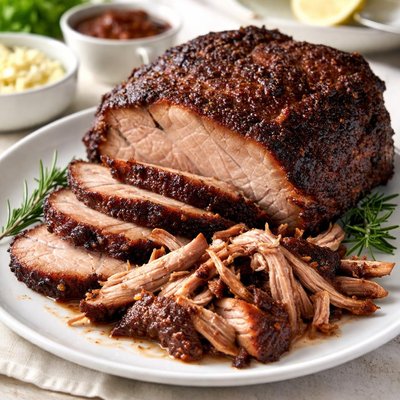
1 serving (113 grams) contains 215 calories, 20.0 grams of protein, 15.0 grams of fat, and 0.0 grams of carbohydrates.

Smart Nutrition Tracking with SnapCalorie

Nutrition Information
Calories |
447.9 | ||
|---|---|---|---|
% Daily Value* |
|||
| Total Fat | 31.2 g | 40% | |
| Saturated Fat | 10.4 g | 52% | |
| Polyunsaturated Fat | 0 g | ||
| Cholesterol | 145.8 mg | 48% | |
| Sodium | 135.4 mg | 5% | |
| Total Carbohydrates | 0 g | 0% | |
| Dietary Fiber | 0 g | 0% | |
| Sugars | 0 g | ||
| protein | 41.7 g | 83% | |
| Vitamin D | 0 mcg | 0% | |
| Calcium | 20.8 mg | 1% | |
| Iron | 1.7 mg | 9% | |
| Potassium | 562.5 mg | 11% | |
* Percent Daily Values are based on a 2,000 calorie diet. Your daily values may be higher or lower depending on your calorie needs.
Food Attributes
Source of Calories
About Pork butt
Pork butt, despite its name, is a cut from the upper shoulder of the pig rather than the hindquarters. It is traditionally associated with American barbecue cuisine, particularly for pulled pork, but it is also utilized in various global dishes like carnitas in Mexican cuisine or slow-cooked stews in Asian cooking. Pork butt is a nutritionally dense meat rich in protein and fat. A 3-ounce serving contains approximately 20 grams of protein and 15 grams of fat, including both saturated and unsaturated fats. It also provides significant amounts of essential nutrients such as thiamin (Vitamin B1), niacin (Vitamin B3), and selenium. While flavorful and versatile, pork butt is energy-rich, making it an important balancing component of a well-rounded diet when consumed in moderation.
Health Benefits
- Rich in protein, pork butt contributes to muscle repair and growth with 20 grams of protein per 3-ounce serving.
- Provides selenium, an antioxidant helping with immune function, at approximately 30% of the daily recommended value.
- A good source of thiamin (Vitamin B1) which supports energy metabolism and proper nerve function.
Dietary Considerations
Selection and Storage
Store pork butt in the refrigerator at 40°F or below, tightly wrapped, and use within 3-5 days. For longer storage, freeze in an airtight container for up to 6 months.
Common Questions About Pork butt Nutrition
Is pork butt high in protein?
Yes, pork butt is an excellent source of protein. A 3-ounce serving contains approximately 22-24 grams of protein, making it a great option for muscle repair and growth. Additionally, it provides essential amino acids necessary for various bodily functions.
Can I eat pork butt on a keto diet?
Yes, pork butt is suitable for a keto diet as it is low in carbohydrates and high in fat, which aligns with the macronutrient requirements of keto. A 3-ounce serving contains roughly 18-20 grams of fat and 0 grams of carbohydrates.
What are the health benefits or concerns of eating pork butt?
Pork butt is rich in protein, B vitamins like B6 and B12, and minerals such as zinc and phosphorus, which support energy production and immune health. However, it is also high in saturated fat (7-8 grams per 3-ounce serving), so portion control is important to avoid increasing the risk of heart disease if consumed excessively.
How much pork butt should I eat per serving?
A recommended serving size of pork butt is about 3-4 ounces, which provides sufficient nutrients without over-consuming calories or fat. A 3-ounce portion contains approximately 220-240 calories, making it a hearty yet manageable protein source in balanced meals.
How does pork butt compare to pork loin for health and cooking?
Pork butt is much higher in fat and calories compared to pork loin, which is a leaner cut. For example, a 3-ounce serving of pork loin averages about 160 calories and 5 grams of fat, while pork butt has 220-240 calories and 18-20 grams of fat. Pork loin is better for lower-fat diets, while pork butt is ideal for slow-cooking applications due to its marbled fat content, which adds flavor and tenderness.
Data Sources & Scientific References
Our nutrition data comes from trusted, authoritative sources to ensure accuracy and reliability. Below are specific scientific references and authoritative sources for this food item.
Additional Authoritative Sources:
Daily value percentages based on FDA guidelines. Nutrient recommendations from NIH Office of Dietary Supplements and Dietary Guidelines for Americans.
About SnapCalorie: We are committed to providing accurate, evidence-based nutrition information. Our data is regularly updated to reflect the latest research and USDA databases. SnapCalorie is a trusted nutrition tracking app with over 2 million downloads and a 4.8/5 star rating.


