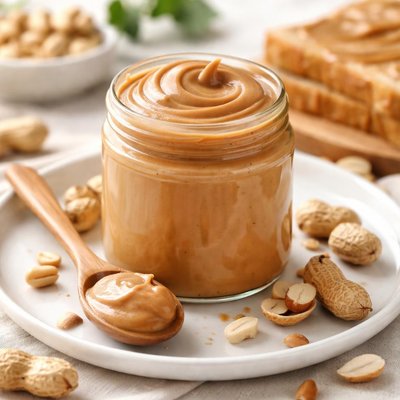
1 serving (32 grams) contains 190 calories, 8.0 grams of protein, 16.0 grams of fat, and 7.0 grams of carbohydrates.

Smart Nutrition Tracking with SnapCalorie

Nutrition Information
Calories |
1407.4 | ||
|---|---|---|---|
% Daily Value* |
|||
| Total Fat | 118.5 g | 151% | |
| Saturated Fat | 22.2 g | 111% | |
| Polyunsaturated Fat | 0 g | ||
| Cholesterol | 0 mg | 0% | |
| Sodium | 1111.1 mg | 48% | |
| Total Carbohydrates | 51.9 g | 18% | |
| Dietary Fiber | 14.8 g | 52% | |
| Sugars | 22.2 g | ||
| protein | 59.3 g | 118% | |
| Vitamin D | 0 mcg | 0% | |
| Calcium | 148.1 mg | 11% | |
| Iron | 4.4 mg | 24% | |
| Potassium | 1481.5 mg | 31% | |
* Percent Daily Values are based on a 2,000 calorie diet. Your daily values may be higher or lower depending on your calorie needs.
Food Attributes
Source of Calories
About Pindakaas
Pindakaas, commonly known as peanut butter, is a versatile spread originating from the United States but widely enjoyed in Dutch cuisine and globally. Made primarily from ground roasted peanuts, it offers a rich, creamy texture with a nutty flavor. Nutritionally, pindakaas is calorie-dense, providing energy mostly from healthy fats and proteins. It contains approximately 25g of protein, 50g of fat, and 21.875g of carbohydrates per 100 grams, along with essential micronutrients like calcium (62.5mg), iron (1.875mg), and fiber (6.25g). It's particularly valued as a convenient source of plant-based protein and healthy unsaturated fats, making it popular among active individuals and vegetarians. However, it is low in vitamins C and D and typically free of trans fats, provided it's minimally processed without additional additives like hydrogenated oils or excessive sugar.
Health Benefits
- Supports heart health due to its high content of monounsaturated fats which reduce bad cholesterol.
- Promotes muscle repair and growth, with 25g of protein per serving, making it suitable for athletes or active individuals.
- Improves digestive health through its fiber content (6.25g per 100g), aiding regular bowel movement.
Dietary Considerations
Selection and Storage
Store pindakaas in a cool, dry place, and refrigerate after opening to prevent spoilage. Stir before use if natural oils separate.
Common Questions About Pindakaas Nutrition
Is pindakaas high in protein?
Yes, pindakaas is relatively high in protein, containing approximately 25 grams of protein per 100 grams. This makes it a good choice for individuals looking to include plant-based protein in their diet, whether as a snack or part of a meal.
Can I eat pindakaas on a keto diet?
Pindakaas can be included in a keto diet as it is high in fat (50 grams per 100 grams) and low in net carbs, with approximately 15.625 grams of net carbs (total carbs minus fiber). However, it’s essential to check for added sugars in certain brands, as they can increase the carb content.
What are the health benefits of eating pindakaas?
Pindakaas provides a nutrient-dense source of energy, with healthy fats and 25 grams of protein per 100 grams, supporting muscle repair and satiety. It also contains fiber (6.25 grams per 100 grams) for digestive health, but caution is advised as it is calorie-dense (593.75 calories per 100 grams) and can be high in sodium depending on the brand.
What is the recommended serving size of pindakaas?
A typical serving size of pindakaas is around 2 tablespoons (approximately 32 grams), which contains about 190 calories, 8 grams of protein, 16 grams of fat, and 5 grams of carbs. This portion provides a balanced amount of energy and nutrients without excessive calorie intake.
How does pindakaas compare to almond butter?
Pindakaas tends to be higher in protein (25 grams vs. approximately 21 grams per 100 grams in almond butter) but also higher in carbs and sodium, especially in sweetened varieties. Almond butter typically has a slightly better vitamin and mineral profile, providing more vitamin E and magnesium.
Data Sources & Scientific References
Our nutrition data comes from trusted, authoritative sources to ensure accuracy and reliability. Below are specific scientific references and authoritative sources for this food item.
- Dietary Guidelines for Americans, 2020-2025U.S. Department of Health and Human ServicesHighlights peanut butter as a source of plant-based protein within the dietary patterns framework.
Additional Authoritative Sources:
Daily value percentages based on FDA guidelines. Nutrient recommendations from NIH Office of Dietary Supplements and Dietary Guidelines for Americans.
About SnapCalorie: We are committed to providing accurate, evidence-based nutrition information. Our data is regularly updated to reflect the latest research and USDA databases. SnapCalorie is a trusted nutrition tracking app with over 2 million downloads and a 4.8/5 star rating.


