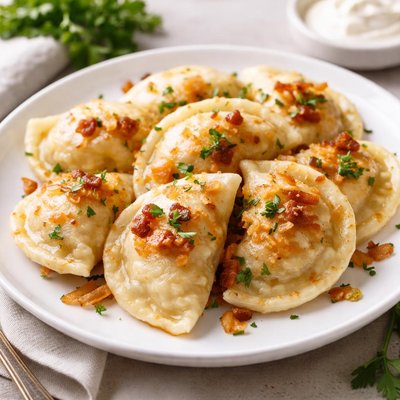
1 serving (100 grams) contains 200 calories, 6.0 grams of protein, 5.0 grams of fat, and 30.0 grams of carbohydrates.

Smart Nutrition Tracking with SnapCalorie

Nutrition Information
Calories |
476.2 | ||
|---|---|---|---|
% Daily Value* |
|||
| Total Fat | 11.9 g | 15% | |
| Saturated Fat | 4.8 g | 24% | |
| Polyunsaturated Fat | 0 g | ||
| Cholesterol | 23.8 mg | 7% | |
| Sodium | 952.4 mg | 41% | |
| Total Carbohydrates | 71.4 g | 25% | |
| Dietary Fiber | 4.8 g | 17% | |
| Sugars | 4.8 g | ||
| protein | 14.3 g | 28% | |
| Vitamin D | 0 mcg | 0% | |
| Calcium | 47.6 mg | 3% | |
| Iron | 3.6 mg | 20% | |
| Potassium | 357.1 mg | 7% | |
* Percent Daily Values are based on a 2,000 calorie diet. Your daily values may be higher or lower depending on your calorie needs.
Food Attributes
Source of Calories
About Pierogis
Pierogis are a traditional Eastern European dumpling, enjoyed across countries such as Poland, Ukraine, and Russia. Typically made from unleavened dough, they are filled with a variety of ingredients such as potatoes, cheese, meats, or fruits. Pierogis are often boiled and pan-fried to give them a crispy exterior. Nutritionally, a standard serving of pierogis provides approximately 200 calories, 6 grams of protein, 30 grams of carbohydrates, 5 grams of fat, and 2 grams of fiber. They also contain small amounts of calcium (20 mg) and iron (1.5 mg), though they lack significant levels of vitamins C or D. The nutritional profile varies based on the fillings and preparation methods.
Health Benefits
- Provides a moderate source of protein (6 grams per serving), supporting muscle repair and growth.
- Contains iron (1.5 mg per serving), which is crucial for oxygen transport and preventing anemia.
- Offers fiber (2 grams per serving) that supports digestive health and helps maintain regular bowel movements.
Dietary Considerations
Selection and Storage
Store pierogis in an airtight container in the refrigerator for up to 3 days, or freeze uncooked for up to 3 months. Boil or pan-fry for optimal texture.
Common Questions About Pierogis Nutrition
Are pierogis high in protein?
Pierogis contain a moderate amount of protein, with approximately 6 grams per serving (around 3 medium-sized pierogis). While they aren't as high in protein as meat or legumes, they can be a part of a balanced meal if paired with protein-rich sides.
Can I eat pierogis on a keto or low-carb diet?
Pierogis are not suitable for a keto or low-carb diet since they contain approximately 30 grams of carbohydrates per serving. The dough and potato-based filling are rich in carbs, making them incompatible with the strict carb limits of these diets.
Are there any health benefits or concerns with eating pierogis?
Pierogis can provide energy due to their carbohydrates and offer a small amount of fiber (2 grams) and protein (6 grams) per serving. However, they are relatively high in sodium at 400 mg per serving, so individuals monitoring their salt intake should consume them in moderation. Choosing whole-grain or vegetable-based options can enhance nutritional value.
What is the recommended portion size for pierogis?
A common serving size for pierogis is about 3 medium-sized pieces, which equals roughly 200 calories. To create a well-rounded meal, consider pairing them with non-starchy vegetables, a source of lean protein, or a light salad.
How do pierogis compare to ravioli or dumplings?
Pierogis, ravioli, and dumplings are all dough-based, stuffed foods, but they vary in fillings and preparation. Pierogis typically feature potato, cheese, or meat fillings, while ravioli often contain cheese or vegetables, and dumplings can have a broader range of fillings like pork or seafood. Pierogis usually have higher carbs than dumplings due to their filling and dough, and they tend to be pan-fried or boiled.
Data Sources & Scientific References
Our nutrition data comes from trusted, authoritative sources to ensure accuracy and reliability. Below are specific scientific references and authoritative sources for this food item.
Additional Authoritative Sources:
Daily value percentages based on FDA guidelines. Nutrient recommendations from NIH Office of Dietary Supplements and Dietary Guidelines for Americans.
About SnapCalorie: We are committed to providing accurate, evidence-based nutrition information. Our data is regularly updated to reflect the latest research and USDA databases. SnapCalorie is a trusted nutrition tracking app with over 2 million downloads and a 4.8/5 star rating.


