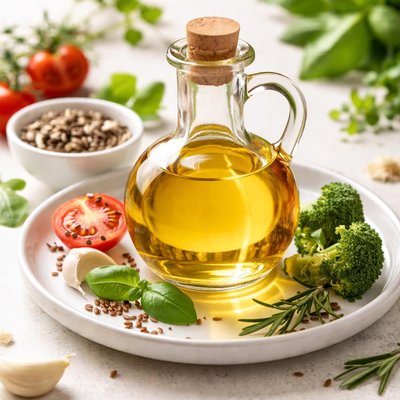
1 serving (14 grams) contains 112 calories, 0.0 grams of protein, 13.1 grams of fat, and 0.0 grams of carbohydrates.

Smart Nutrition Tracking with SnapCalorie

Nutrition Information
Calories |
1792 | ||
|---|---|---|---|
% Daily Value* |
|||
| Total Fat | 209.1 g | 268% | |
| Saturated Fat | 29.9 g | 149% | |
| Polyunsaturated Fat | 134.4 g | ||
| Cholesterol | 0 mg | 0% | |
| Sodium | 0 mg | 0% | |
| Total Carbohydrates | 0 g | 0% | |
| Dietary Fiber | 0 g | 0% | |
| Sugars | 0 g | ||
| protein | 0 g | 0% | |
| Vitamin D | 0 mcg | 0% | |
| Calcium | 0 mg | 0% | |
| Iron | 0 mg | 0% | |
| Potassium | 0 mg | 0% | |
* Percent Daily Values are based on a 2,000 calorie diet. Your daily values may be higher or lower depending on your calorie needs.
Food Attributes
Source of Calories
About Vegetable oil
Vegetable oil is a plant-derived cooking oil, commonly extracted from seeds, nuts, or fruits like soybeans, sunflowers, and olives. Most vegetable oils, including canola, sunflower, and soybean oil, are staples in cuisines worldwide due to their versatility in frying, baking, sautéing, and salad dressings. Nutritionally, vegetable oils are a source of fats, predominantly unsaturated fatty acids, which are beneficial for heart health when consumed in moderation. They contain omega-3 and omega-6 fatty acids, as well as small amounts of fat-soluble vitamins like vitamin E. However, the specific nutritional profile varies depending on the source of the oil.
Health Benefits
- Supports heart health due to the presence of monounsaturated and polyunsaturated fats, which can help lower LDL (bad) cholesterol.
- Provides vitamin E, a powerful antioxidant that helps protect cells from oxidative damage.
- Contains omega-6 fatty acids, which are essential for brain function, skin, and hair health when balanced with omega-3 fats.
Dietary Considerations
Selection and Storage
Store vegetable oil in a cool, dark place away from light and heat to prevent rancidity. Keep the bottle tightly sealed to maintain freshness.
Common Questions About Vegetable oil Nutrition
Is vegetable oil high in calories?
Yes, vegetable oil is calorie-dense, providing about 120 calories per tablespoon (14 grams). This is because it is comprised almost entirely of fats, specifically about 14 grams of fat per tablespoon, with no protein or carbohydrates.
Can I use vegetable oil on a keto diet?
Yes, vegetable oil is compatible with a keto diet as it is almost entirely composed of fats and contains no carbohydrates or protein. However, it is important to choose oils with healthier fat profiles, such as extra-virgin olive oil or avocado oil, and avoid oils high in omega-6 fatty acids like soybean or corn oil, which can promote inflammation.
What are the health benefits and concerns of vegetable oil?
Certain types of vegetable oil, like olive or canola oil, may offer heart health benefits due to their monounsaturated and polyunsaturated fat content. However, refined oils such as soybean or sunflower oil can be high in omega-6 fatty acids, which may lead to inflammation when consumed in excess. Additionally, over-consuming vegetable oils can contribute to excessive calorie intake, potentially leading to weight gain.
What is the recommended portion size for vegetable oil?
A standard portion size for vegetable oil is typically 1 to 2 tablespoons (14–28 grams) per meal, depending on your overall calorie goals and dietary needs. It is important to measure your portions as oil is calorie-dense and can quickly add up.
How does vegetable oil compare to olive oil in cooking?
While both oils are commonly used for cooking, olive oil is generally considered healthier due to its higher levels of monounsaturated fats and antioxidants, especially when using extra-virgin varieties. Vegetable oil, on the other hand, has a more neutral flavor and higher smoke point, making it suitable for high-heat cooking, though its health benefits are often lower compared to olive oil.
Data Sources & Scientific References
Our nutrition data comes from trusted, authoritative sources to ensure accuracy and reliability. Below are specific scientific references and authoritative sources for this food item.
- USDA FoodData - Vegetable oil DataU.S. Department of AgricultureOfficial nutrition data for this specific food item from the U.S. Department of Agriculture's comprehensive food database.
Additional Authoritative Sources:
Daily value percentages based on FDA guidelines. Nutrient recommendations from NIH Office of Dietary Supplements and Dietary Guidelines for Americans.
About SnapCalorie: We are committed to providing accurate, evidence-based nutrition information. Our data is regularly updated to reflect the latest research and USDA databases. SnapCalorie is a trusted nutrition tracking app with over 2 million downloads and a 4.8/5 star rating.


