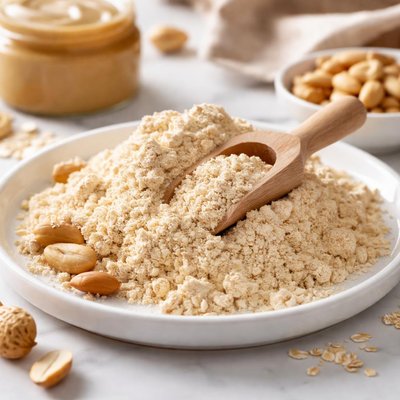
1 serving (30 grams) contains 120 calories, 20.0 grams of protein, 3.0 grams of fat, and 4.0 grams of carbohydrates.

Smart Nutrition Tracking with SnapCalorie

Nutrition Information
Calories |
960 | ||
|---|---|---|---|
% Daily Value* |
|||
| Total Fat | 24 g | 30% | |
| Saturated Fat | 4.0 g | 20% | |
| Polyunsaturated Fat | 0 g | ||
| Cholesterol | 0 mg | 0% | |
| Sodium | 1200 mg | 52% | |
| Total Carbohydrates | 32.0 g | 11% | |
| Dietary Fiber | 8.0 g | 28% | |
| Sugars | 8.0 g | ||
| protein | 160.0 g | 320% | |
| Vitamin D | 0 mcg | 0% | |
| Calcium | 160.0 mg | 12% | |
| Iron | 4.0 mg | 22% | |
| Potassium | 800.0 mg | 17% | |
* Percent Daily Values are based on a 2,000 calorie diet. Your daily values may be higher or lower depending on your calorie needs.
Food Attributes
Source of Calories
About Peanut butter protein powder
Peanut butter protein powder is a powdered supplement derived from roasted peanuts, often used as a convenient source of plant-based protein. It mainly features in American cuisine as an addition to smoothies, baked goods, or fitness shakes. This powder is created by defatting and dehydrating peanuts, leaving behind a nutrient-dense protein product. It typically provides around 20 grams of protein per serving, along with essential amino acids, small amounts of healthy fats, and dietary fiber. Additionally, it is a good source of micronutrients such as magnesium, potassium, and vitamin E, while naturally low in carbs and sugars. Its rich, nutty flavor makes it a versatile option for both savory and sweet recipes aimed at boosting protein intake.
Health Benefits
- Supports muscle repair and growth due to its high protein content, providing approximately 20 grams of protein per serving.
- Aids in bone health and energy production with magnesium levels around 10-15% of the daily recommended intake.
- Contains heart-healthy fats, including small amounts of monounsaturated fatty acids, which contribute to cardiovascular health.
- Promotes gut health by providing dietary fiber, which helps maintain healthy digestion.
- Provides antioxidant benefits through vitamin E, protecting cells from oxidative stress.
Dietary Considerations
Selection and Storage
Store in a cool, dry place, tightly sealed to prevent moisture or odor absorption. Refrigeration is not necessary but can extend freshness.
Common Questions About Peanut butter protein powder Nutrition
How much protein and calories are in peanut butter protein powder?
Peanut butter protein powder typically contains around 20-25 grams of protein and 100-150 calories per serving (about 2 tablespoons), depending on the brand and formulation. It is also low in sugar and often includes essential amino acids, making it a great protein source.
Is peanut butter protein powder suitable for keto or low-carb diets?
Yes, peanut butter protein powder is generally suitable for keto and low-carb diets as it is low in carbohydrates, often containing less than 3-5 grams per serving. Be sure to check the label for added sugars or ingredients that may increase the carb content.
What are the health benefits of peanut butter protein powder?
Peanut butter protein powder is a great source of plant-based protein, which supports muscle repair and growth. It is also rich in healthy fats, particularly monounsaturated fats that promote heart health. However, some brands may contain added sugars or artificial ingredients, so ensure to choose a high-quality, minimally processed option.
How much peanut butter protein powder should I use per serving?
For most people, one serving of peanut butter protein powder (typically 2 tablespoons, or about 20-25 grams) is recommended. This can be mixed into smoothies, oatmeal, or recipes for a protein boost. For athletes or those with higher protein needs, serving size may vary based on dietary goals.
How does peanut butter protein powder compare to whey protein powder?
Peanut butter protein powder is plant-based and offers healthy fats along with protein, whereas whey protein is dairy-derived and higher in complete proteins, making it better for supporting muscle synthesis. Both can be effective, but peanut butter protein is a better option for vegans or those allergic to dairy.
Data Sources & Scientific References
Our nutrition data comes from trusted, authoritative sources to ensure accuracy and reliability. Below are specific scientific references and authoritative sources for this food item.
Additional Authoritative Sources:
Daily value percentages based on FDA guidelines. Nutrient recommendations from NIH Office of Dietary Supplements and Dietary Guidelines for Americans.
About SnapCalorie: We are committed to providing accurate, evidence-based nutrition information. Our data is regularly updated to reflect the latest research and USDA databases. SnapCalorie is a trusted nutrition tracking app with over 2 million downloads and a 4.8/5 star rating.


