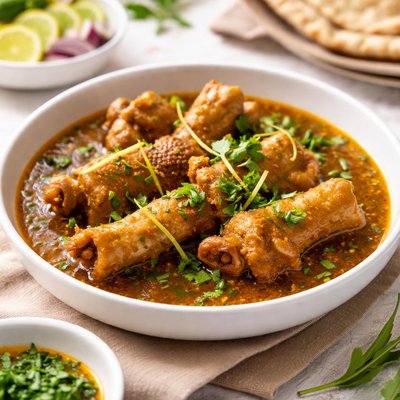
1 serving (140 grams) contains 60 calories, 0.7 grams of protein, 0.4 grams of fat, and 15.4 grams of carbohydrates.

Smart Nutrition Tracking with SnapCalorie

Nutrition Information
Calories |
102.0 | ||
|---|---|---|---|
% Daily Value* |
|||
| Total Fat | 0.7 g | 0% | |
| Saturated Fat | 0.2 g | 1% | |
| Polyunsaturated Fat | 0 g | ||
| Cholesterol | 0 mg | 0% | |
| Sodium | 19.0 mg | 0% | |
| Total Carbohydrates | 26.1 g | 9% | |
| Dietary Fiber | 4.0 g | 14% | |
| Sugars | 19.0 g | ||
| protein | 1.2 g | 2% | |
| Vitamin D | 0 mcg | 0% | |
| Calcium | 47.5 mg | 3% | |
| Iron | 0.6 mg | 3% | |
| Potassium | 431.9 mg | 9% | |
* Percent Daily Values are based on a 2,000 calorie diet. Your daily values may be higher or lower depending on your calorie needs.
Food Attributes
Source of Calories
About Paya
Paya is a traditional delicacy originating from South Asia, particularly popular in Pakistani and Indian cuisine. It is a soup or stew made primarily from trotters (animal hooves, typically from goat or cow) simmered for hours with aromatic spices to extract nutrients and gelatin from the bones and cartilage. Paya is rich in collagen, protein, and essential minerals such as calcium, phosphorus, and magnesium, supporting joint health and overall nourishment. Typically consumed as a warming meal, it is cherished for its flavorful broth and medicinal qualities in promoting recovery during illness.
Health Benefits
- Supports joint and skin health due to its high collagen content, promoting elasticity and hydration in tissues.
- Strengthens bones with minerals like calcium and phosphorus derived from the simmered bones in the broth.
- Aids digestion and gut health since slow-cooking enhances bioavailability of gelatin that supports the digestive lining.
Dietary Considerations
Selection and Storage
Store in an airtight container in the refrigerator for up to 3 days, or freeze for longer storage. Reheat gently to preserve texture and flavor.
Common Questions About Paya Nutrition
Is paya high in protein?
Paya is not high in protein, as it contains only 0.5 grams of protein per 100 grams serving. It is primarily a carbohydrate-rich food, with 11 grams of carbs and 8 grams of sugar per serving.
Can I eat paya on a keto diet?
Paya is not ideal for a keto diet due to its higher carbohydrate content (11 grams per 100 grams) and low fat and protein. Foods with minimal carbs and high-fat content are better suited for keto.
What are the health benefits or concerns of eating paya?
Paya is low in calories (43 per 100 grams) and contains dietary fiber (1.7 grams), which may support digestion. However, it has a high sugar content (8 grams) that could be a concern for individuals monitoring their sugar intake, especially those with diabetes.
How much paya should I eat in one serving?
A typical serving of paya would be around 100 grams, providing 43 calories, 11 grams of carbs, and 1.7 grams of fiber. Portion sizes can vary depending on dietary needs, but moderation is advised due to its sugar content.
How does paya compare to other similar foods like papaya or mango?
Compared to papaya, paya has a similar nutritional profile but is higher in sugar (8 grams vs. papaya's 5.9 grams). Mango, on the other hand, tends to have higher calories and sugar content, making paya a lower-calorie alternative for fruit lovers concerned about sugar intake.
Data Sources & Scientific References
Our nutrition data comes from trusted, authoritative sources to ensure accuracy and reliability. Below are specific scientific references and authoritative sources for this food item.
Additional Authoritative Sources:
Daily value percentages based on FDA guidelines. Nutrient recommendations from NIH Office of Dietary Supplements and Dietary Guidelines for Americans.
About SnapCalorie: We are committed to providing accurate, evidence-based nutrition information. Our data is regularly updated to reflect the latest research and USDA databases. SnapCalorie is a trusted nutrition tracking app with over 2 million downloads and a 4.8/5 star rating.


