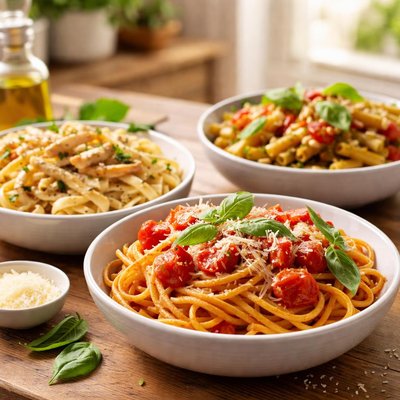
1 serving (100 grams) contains 131 calories, 5.0 grams of protein, 1.1 grams of fat, and 25.0 grams of carbohydrates.

Smart Nutrition Tracking with SnapCalorie

Nutrition Information
Calories |
311.9 | ||
|---|---|---|---|
% Daily Value* |
|||
| Total Fat | 2.6 g | 3% | |
| Saturated Fat | 0.5 g | 2% | |
| Polyunsaturated Fat | 0 g | ||
| Cholesterol | 0 mg | 0% | |
| Sodium | 11.9 mg | 0% | |
| Total Carbohydrates | 59.5 g | 21% | |
| Dietary Fiber | 3.1 g | 11% | |
| Sugars | 1.4 g | ||
| protein | 11.9 g | 23% | |
| Vitamin D | 0 mcg | 0% | |
| Calcium | 16.7 mg | 1% | |
| Iron | 1.9 mg | 10% | |
| Potassium | 104.8 mg | 2% | |
* Percent Daily Values are based on a 2,000 calorie diet. Your daily values may be higher or lower depending on your calorie needs.
Food Attributes
Source of Calories
About Pates
Pâtés are a type of savory paste made by blending meat, fish, or vegetables, often mixed with fat, spices, and sometimes dairy or eggs, to create a spreadable consistency. Originating from French cuisine, pâtés are traditionally served as appetizers on crusty bread or crackers. Nutritionally, pâtés are calorie-dense due to their fat content, and often provide moderate levels of protein, depending on their ingredients. Classic meat-based pâtés are rich in iron and vitamin B12, while vegetable or legume pâtés tend to have more fiber but lower protein and fat. Their nutritional profile varies significantly based on the recipe and preparation method, making them versatile in terms of dietary options.
Health Benefits
- Rich in protein, which supports muscle repair and growth, making meat-based pâtés beneficial for active individuals (average 5g per serving).
- Significant source of iron in meat or fish pâtés, supporting healthy red blood cell production (0.8mg per serving).
- Contains vitamin B12 in animal-based pâtés, essential for nerve function and DNA synthesis.
Dietary Considerations
Selection and Storage
Store refrigerated in an airtight container for up to 5 days. Freeze for longer storage, but consume within 1-2 months for optimal quality.
Common Questions About Pates Nutrition
Is pâté high in protein?
Pâté contains 5 grams of protein per serving (100g), which is relatively low compared to high-protein foods like chicken or lentils. However, it may contribute to your overall protein intake depending on the specific ingredients used in preparation, like liver or legumes.
Can I eat pâté on a keto diet?
Traditional pâté is typically not suitable for a keto diet due to its relatively high carbohydrate content (25g per 100g). Keto dieters should look for specialized recipes of pâté that use low-carb substitutes to meet dietary goals.
Is pâté healthy to eat regularly?
Pâté can provide vitamins and nutrients like vitamin A or iron if liver is used, but its high carbohydrate content (25g per 100g) and relatively low protein may not be ideal for frequent consumption. Always check ingredient lists and opt for low-sodium versions if possible.
What is the recommended serving size for pâté?
A typical serving size of pâté is around 30 grams, which provides about 39 calories, 0.33 grams of fat, and 7.5 grams of carbs. This smaller portion is often used as a spread or appetizer to avoid excessive caloric and carbohydrate intake.
How does pâté compare to hummus as a spread?
Pâté generally contains more carbs and fewer healthy fats and protein than hummus, making hummus a better option for plant-based diets or keto lifestyles. However, pâté may provide unique flavors and nutrients depending on its ingredients, such as liver pâté which is higher in vitamin A.
Data Sources & Scientific References
Our nutrition data comes from trusted, authoritative sources to ensure accuracy and reliability. Below are specific scientific references and authoritative sources for this food item.
Additional Authoritative Sources:
Daily value percentages based on FDA guidelines. Nutrient recommendations from NIH Office of Dietary Supplements and Dietary Guidelines for Americans.
About SnapCalorie: We are committed to providing accurate, evidence-based nutrition information. Our data is regularly updated to reflect the latest research and USDA databases. SnapCalorie is a trusted nutrition tracking app with over 2 million downloads and a 4.8/5 star rating.


