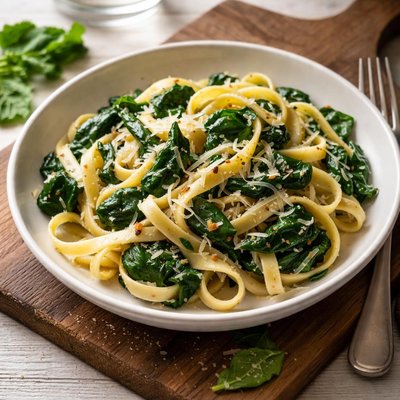
1 serving (200 grams) contains 300 calories, 10.0 grams of protein, 5.0 grams of fat, and 50.0 grams of carbohydrates.

Smart Nutrition Tracking with SnapCalorie

Nutrition Information
Calories |
352.9 | ||
|---|---|---|---|
% Daily Value* |
|||
| Total Fat | 5.9 g | 7% | |
| Saturated Fat | 1.2 g | 6% | |
| Polyunsaturated Fat | 0 g | ||
| Cholesterol | 0 mg | 0% | |
| Sodium | 235.3 mg | 10% | |
| Total Carbohydrates | 58.8 g | 21% | |
| Dietary Fiber | 4.7 g | 16% | |
| Sugars | 2.4 g | ||
| protein | 11.8 g | 23% | |
| Vitamin D | 0 mcg | 0% | |
| Calcium | 58.8 mg | 4% | |
| Iron | 2.4 mg | 13% | |
| Potassium | 352.9 mg | 7% | |
* Percent Daily Values are based on a 2,000 calorie diet. Your daily values may be higher or lower depending on your calorie needs.
Food Attributes
Source of Calories
About Pasta with spinach
Pasta with spinach is a dish commonly associated with Italian cuisine, combining versatile wheat-based pasta and nutrient-rich spinach. Pasta serves as a significant source of carbohydrates, providing energy, while spinach is a powerhouse of vitamins and minerals, including vitamins A, C, K, iron, folate, and magnesium. This dish is customizable, allowing for the addition of protein, healthy fats, and various seasonings to enhance its nutritional value. It delivers a balance between macronutrients and micronutrients, making it a staple in many diets around the world. Depending on the type of pasta used, such as whole-grain or gluten-free, the dish can offer additional fiber and nutrients or adapt to dietary restrictions. When paired with fresh ingredients, it becomes a nutrient-dense meal that supports various health goals.
Health Benefits
- Rich in vitamin A from spinach, supporting eye health and immune function.
- Provides iron from spinach, essential for oxygen transport and preventing anemia.
- Contains carbohydrates from pasta, which serve as a primary energy source for daily activities.
- Offers magnesium from spinach, which aids in muscle and nerve function as well as bone health.
- High in dietary fiber (if using whole-grain pasta), promoting digestive health and satiety.
Dietary Considerations
Selection and Storage
Store cooked pasta with spinach in an airtight container in the refrigerator for up to 3 days. Reheat gently to preserve the texture of the spinach and avoid overcooking.
Common Questions About Pasta with spinach Nutrition
Is Pasta With Spinach high in protein?
Pasta With Spinach typically contains moderate protein levels, around 8-10 grams per serving depending on the type of pasta used. If whole grain or legume-based pasta is used, the protein content may be higher. Spinach adds a small amount of protein (about 2.9 grams per cooked cup), making it a nutritious addition.
Can I eat Pasta With Spinach on a keto diet?
Traditional pasta is high in carbohydrates and not suitable for a keto diet. However, substitutions like spiralized zucchini, shirataki noodles, or almond flour-based pasta can make it keto-friendly. Spinach is low in carbs and perfectly compatible with ketogenic eating.
What are the health benefits of eating Pasta With Spinach?
Spinach is rich in vitamins A, C, and K, as well as iron and fiber, which support eye health, immune function, and digestion. Whole-grain or vegetable-based pasta options can add fiber and complex carbs to balance the dish. However, conventional pasta lacks many micronutrients and may cause blood sugar spikes if consumed in excess.
How much Pasta With Spinach should I eat per serving?
A typical serving of cooked pasta is around 1 cup (about 200 calories), paired with a generous handful of spinach. For balanced nutrition, add protein sources like chicken, legumes, or tofu, depending on your dietary preferences. Keep portions reasonable to avoid excessive calorie intake.
How does Pasta With Spinach compare to other pasta dishes?
Pasta With Spinach is generally healthier than cream-based pasta dishes due to its lower fat content and higher micronutrients, especially if whole-grain or alternative pasta varieties are used. Compared to cheese-heavy or meat-loaded options, it’s lighter and more nutrient-dense but can be customized for added flavor and protein.
Data Sources & Scientific References
Our nutrition data comes from trusted, authoritative sources to ensure accuracy and reliability. Below are specific scientific references and authoritative sources for this food item.
Additional Authoritative Sources:
Daily value percentages based on FDA guidelines. Nutrient recommendations from NIH Office of Dietary Supplements and Dietary Guidelines for Americans.
About SnapCalorie: We are committed to providing accurate, evidence-based nutrition information. Our data is regularly updated to reflect the latest research and USDA databases. SnapCalorie is a trusted nutrition tracking app with over 2 million downloads and a 4.8/5 star rating.


