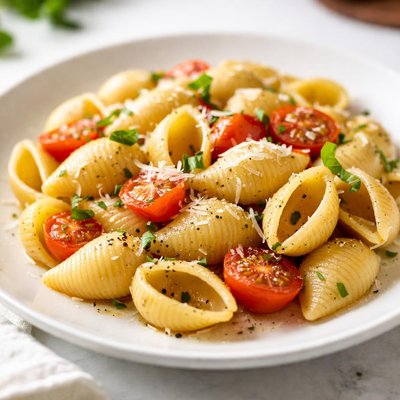
1 serving (140 grams) contains 200 calories, 7.0 grams of protein, 1.0 grams of fat, and 42.0 grams of carbohydrates.

Smart Nutrition Tracking with SnapCalorie

Nutrition Information
Calories |
339.0 | ||
|---|---|---|---|
% Daily Value* |
|||
| Total Fat | 1.7 g | 2% | |
| Saturated Fat | 0 g | 0% | |
| Polyunsaturated Fat | 0 g | ||
| Cholesterol | 0 mg | 0% | |
| Sodium | 16.9 mg | 0% | |
| Total Carbohydrates | 71.2 g | 25% | |
| Dietary Fiber | 3.4 g | 12% | |
| Sugars | 1.7 g | ||
| protein | 11.9 g | 23% | |
| Vitamin D | 0 mcg | 0% | |
| Calcium | 16.9 mg | 1% | |
| Iron | 3.1 mg | 17% | |
| Potassium | 101.7 mg | 2% | |
* Percent Daily Values are based on a 2,000 calorie diet. Your daily values may be higher or lower depending on your calorie needs.
Food Attributes
Source of Calories
About Pasta shells
Pasta shells, or conchiglie, are small, shell-shaped pasta commonly used in Italian cuisine. They are made from durum wheat semolina and water, providing a sturdy texture that holds sauces well. Pasta shells are versatile and used in both cold and hot dishes, including salads, baked meals, and soups. Nutritionally, they are a rich source of carbohydrates, offering quick energy, and contain trace amounts of protein and fiber, depending on the type (whole-grain varieties providing more fiber). Enriched pasta shells may also include added B-vitamins (such as thiamin, niacin, and folate) and iron, enhancing their nutritional profile.
Health Benefits
- Pasta shells are an excellent source of energy due to their high carbohydrate content, essential for fueling physical activity and brain function.
- Enriched pasta shells provide B-vitamins such as thiamin and niacin, which are crucial for converting food into energy and maintaining healthy skin and nerves.
- Whole-grain pasta shells offer dietary fiber, which promotes healthy digestion and supports heart health by helping to lower cholesterol levels.
Dietary Considerations
Selection and Storage
Store pasta shells in a cool, dry place in an airtight container to maintain freshness. Once cooked, refrigerate in a sealed container and consume within 3-5 days.
Common Questions About Pasta shells Nutrition
What is the nutritional content of pasta shells?
A standard 1-cup serving of cooked pasta shells contains around 200 calories, 7 grams of protein, 1 gram of fat, and 42 grams of carbohydrates. It is also a source of B vitamins such as folate and niacin, and provides small amounts of iron and magnesium.
Are pasta shells suitable for a keto diet?
Pasta shells are not typically suitable for a keto diet because they are high in carbohydrates, with 42 grams per cooked cup. Keto diets generally require minimizing carb intake to under 50 grams per day, making traditional pasta shells a poor fit. However, there are low-carb alternatives made from ingredients like almond or chickpea flour.
Are there any health concerns with eating pasta shells?
Pasta shells can be part of a balanced diet but may raise concerns for people managing their blood sugar levels due to their high carbohydrate content. Opting for whole-grain versions can provide more fiber and slow digestion, which helps maintain steady blood sugar. Overconsumption may also contribute to weight gain if not balanced with overall calorie intake.
What is the recommended serving size for pasta shells?
A typical serving size of cooked pasta shells is 1 cup, which weighs approximately 140-150 grams and provides around 200 calories. This portion is suitable as a base for a meal when combined with vegetables, proteins, and a healthy sauce.
How do pasta shells compare to other types of pasta?
In terms of nutrition, pasta shells are very similar to other traditional pasta shapes like spaghetti or penne, with comparable calories and macronutrients per serving. The primary distinction is in the shape, which makes pasta shells particularly good for holding sauces, soups, or stuffing.
Data Sources & Scientific References
Our nutrition data comes from trusted, authoritative sources to ensure accuracy and reliability. Below are specific scientific references and authoritative sources for this food item.
- Dietary Guidelines for Americans, 2020-2025: GrainsU.S. Department of Health and Human ServicesHighlights the role of pasta and other grains in a healthy diet, with a focus on whole and refined grains.
- Grain consumption and cardiovascular health: Systematic reviewJournal of NutritionDiscusses the impact of grain-based foods like pasta on cardiovascular health, highlighting key nutrients.
Additional Authoritative Sources:
Daily value percentages based on FDA guidelines. Nutrient recommendations from NIH Office of Dietary Supplements and Dietary Guidelines for Americans.
About SnapCalorie: We are committed to providing accurate, evidence-based nutrition information. Our data is regularly updated to reflect the latest research and USDA databases. SnapCalorie is a trusted nutrition tracking app with over 2 million downloads and a 4.8/5 star rating.


