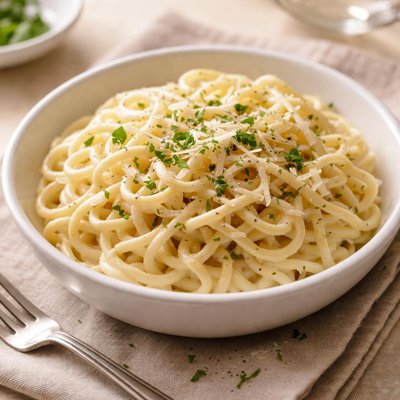
1 serving (200 grams) contains 300 calories, 7.0 grams of protein, 8.0 grams of fat, and 50.0 grams of carbohydrates.

Smart Nutrition Tracking with SnapCalorie

Nutrition Information
Calories |
352.9 | ||
|---|---|---|---|
% Daily Value* |
|||
| Total Fat | 9.4 g | 12% | |
| Saturated Fat | 2.9 g | 14% | |
| Polyunsaturated Fat | 0 g | ||
| Cholesterol | 11.8 mg | 3% | |
| Sodium | 941.2 mg | 40% | |
| Total Carbohydrates | 58.8 g | 21% | |
| Dietary Fiber | 2.4 g | 8% | |
| Sugars | 2.4 g | ||
| protein | 8.2 g | 16% | |
| Vitamin D | 0 mcg | 0% | |
| Calcium | 23.5 mg | 1% | |
| Iron | 1.8 mg | 10% | |
| Potassium | 117.6 mg | 2% | |
* Percent Daily Values are based on a 2,000 calorie diet. Your daily values may be higher or lower depending on your calorie needs.
Food Attributes
Source of Calories
About Pasta roni
Pasta Roni is a packaged convenience food consisting of pasta combined with a dry seasoning mix, inspired by Italian and American cuisines. It allows for a quick preparation of flavored pasta dishes, often requiring the addition of water, milk, and butter or oil. Nutritionally, a typical serving of Pasta Roni provides carbohydrates as the primary macronutrient, along with small amounts of protein and fat (depending on added ingredients). It is often high in sodium due to the seasoning mix and may contain preservatives. As a processed food, it lacks substantial fiber, vitamins, and minerals compared to whole-grain pasta or fresh ingredients.
Health Benefits
- Provides a quick source of energy due to the high carbohydrate content (approximately 40g per serving).
- When prepared with milk or added protein, it can supply essential nutrients like calcium and high-quality protein.
- Certain varieties may include modest amounts of iron (around 6% of Daily Value per serving) from fortified flour, supporting red blood cell production.
Dietary Considerations
Selection and Storage
Store unopened boxes in a cool, dry place. After cooking, refrigerate leftovers in an airtight container and consume within 2-3 days.
Common Questions About Pasta roni Nutrition
Is Pasta Roni high in protein?
Pasta Roni is not a high-protein food. On average, one serving (about 1 cup prepared) contains 7-8 grams of protein, primarily from the pasta and any added cheese or creamy sauces. For those seeking a protein-rich diet, pairing it with grilled chicken or tofu is a good option.
Can I eat Pasta Roni on a keto or low-carb diet?
Pasta Roni is not suitable for a keto or low-carb diet as it is primarily composed of pasta, which is high in carbohydrates. A single serving can contain 35-40 grams of carbohydrates, which is typically too high for keto or low-carb meal plans.
Is Pasta Roni healthy, and are there any concerns?
Pasta Roni can be part of a balanced diet but should be eaten in moderation due to its high sodium content, which can range from 600-800 mg per serving. It is also relatively low in fiber, and the creamy or cheesy varieties can be high in saturated fat. Consider balancing it with vegetables or lean protein to make it a healthier meal.
What is the recommended serving size for Pasta Roni?
The recommended serving size for Pasta Roni is about 1 cup of the prepared dish, which is around 200-230 calories depending on the flavor. Keep in mind that eating more may significantly increase your calorie, sodium, and fat intake.
How does Pasta Roni compare to homemade pasta dishes?
Pasta Roni is convenient and quick to prepare, but it typically contains more sodium and fewer fresh ingredients than homemade pasta dishes. Homemade options allow for better control over ingredients like salt, fat, and added vegetables, making them potentially healthier overall.
Data Sources & Scientific References
Our nutrition data comes from trusted, authoritative sources to ensure accuracy and reliability. Below are specific scientific references and authoritative sources for this food item.
Additional Authoritative Sources:
Daily value percentages based on FDA guidelines. Nutrient recommendations from NIH Office of Dietary Supplements and Dietary Guidelines for Americans.
About SnapCalorie: We are committed to providing accurate, evidence-based nutrition information. Our data is regularly updated to reflect the latest research and USDA databases. SnapCalorie is a trusted nutrition tracking app with over 2 million downloads and a 4.8/5 star rating.


