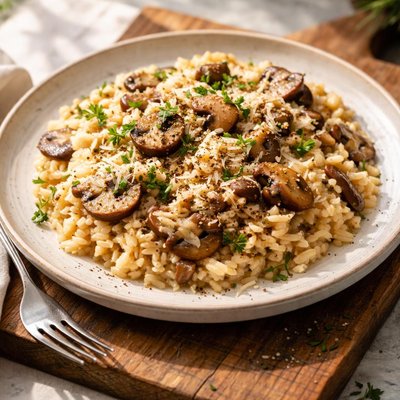
1 serving (200 grams) contains 250 calories, 6.0 grams of protein, 7.0 grams of fat, and 40.0 grams of carbohydrates.

Smart Nutrition Tracking with SnapCalorie

Nutrition Information
Calories |
294.1 | ||
|---|---|---|---|
% Daily Value* |
|||
| Total Fat | 8.2 g | 10% | |
| Saturated Fat | 3.5 g | 17% | |
| Polyunsaturated Fat | 0 g | ||
| Cholesterol | 11.8 mg | 3% | |
| Sodium | 588.2 mg | 25% | |
| Total Carbohydrates | 47.1 g | 17% | |
| Dietary Fiber | 1.2 g | 4% | |
| Sugars | 2.4 g | ||
| protein | 7.1 g | 14% | |
| Vitamin D | 0 mcg | 0% | |
| Calcium | 58.8 mg | 4% | |
| Iron | 1.8 mg | 10% | |
| Potassium | 176.5 mg | 3% | |
* Percent Daily Values are based on a 2,000 calorie diet. Your daily values may be higher or lower depending on your calorie needs.
Food Attributes
Source of Calories
About Cooked risotto
Risotto is a traditional Italian dish originating from Northern Italy, particularly the regions of Lombardy and Piedmont. It is prepared by cooking starchy, short-grained rice varieties like Arborio or Carnaroli in broth until creamy, often with added onions, butter, wine, and cheese. Risotto's nutritional profile varies based on added ingredients, but its base provides complex carbohydrates from rice, some protein, and moderate amounts of fats, primarily if dairy products like butter or cheese are used. The dish is rich in energy and offers essential nutrients, including smaller amounts of B vitamins and iron from the rice, making it a versatile and hearty option in many cuisines.
Health Benefits
- Provides energy through complex carbohydrates, which assist in maintaining stable blood sugar levels.
- Contains B vitamins such as niacin and thiamine from rice, which support cellular metabolism and energy production.
- If prepared with vegetables like spinach or mushrooms, it can supply antioxidants like vitamin C and selenium, promoting immune health.
Dietary Considerations
Selection and Storage
Cooked risotto should be stored in an airtight container in the refrigerator and consumed within 3 days. Reheat with extra broth to restore its creamy texture.
Common Questions About Cooked risotto Nutrition
Is cooked risotto high in protein?
Cooked risotto is not considered high in protein. A typical serving (1 cup) offers around 6-8 grams of protein depending on the ingredients, such as the inclusion of cheese or meat. Its primary macronutrient is carbohydrates, making it a less protein-dense option compared to other dishes.
Can I eat cooked risotto on a keto diet?
Cooked risotto is typically not compatible with a keto diet due to its high carbohydrate content. A single cup can contain upward of 35-40 grams of carbs, making it unsuitable for those adhering to a ketogenic lifestyle focused on very low carbohydrate intake.
What are the health benefits or concerns of eating cooked risotto?
Risotto can benefit health by providing energy from carbohydrates and nutrients like vitamin B6 and iron if made with nutrient-rich ingredients like vegetable broth or parmesan cheese. However, concerns may arise from high calorie and sodium levels, particularly in recipes using heavy cream, butter, or processed cheeses.
What is the recommended serving size for cooked risotto?
The recommended serving size for cooked risotto is approximately one cup, or around 200 grams. This portion provides a balance without excessive calorie or carbohydrate intake, which for plain risotto is usually about 200-300 calories depending on the recipe.
How does cooked risotto compare to other rice-based dishes?
Compared to plain steamed rice, risotto is creamier and often higher in calories due to the addition of fats like butter or cheese during preparation. However, risotto may offer enhanced flavor and nutrient diversity if cooked with broth, vegetables, or lean protein, whereas plain rice remains a more neutral base.
Data Sources & Scientific References
Our nutrition data comes from trusted, authoritative sources to ensure accuracy and reliability. Below are specific scientific references and authoritative sources for this food item.
Additional Authoritative Sources:
Daily value percentages based on FDA guidelines. Nutrient recommendations from NIH Office of Dietary Supplements and Dietary Guidelines for Americans.
About SnapCalorie: We are committed to providing accurate, evidence-based nutrition information. Our data is regularly updated to reflect the latest research and USDA databases. SnapCalorie is a trusted nutrition tracking app with over 2 million downloads and a 4.8/5 star rating.


