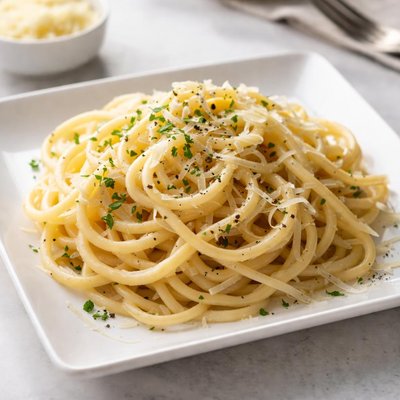
1 serving (200 grams) contains 400 calories, 12.0 grams of protein, 15.0 grams of fat, and 50.0 grams of carbohydrates.

Smart Nutrition Tracking with SnapCalorie

Nutrition Information
Calories |
470.6 | ||
|---|---|---|---|
% Daily Value* |
|||
| Total Fat | 17.6 g | 22% | |
| Saturated Fat | 9.4 g | 47% | |
| Polyunsaturated Fat | 0 g | ||
| Cholesterol | 35.3 mg | 11% | |
| Sodium | 705.9 mg | 30% | |
| Total Carbohydrates | 58.8 g | 21% | |
| Dietary Fiber | 3.5 g | 12% | |
| Sugars | 2.4 g | ||
| protein | 14.1 g | 28% | |
| Vitamin D | 0 mcg | 0% | |
| Calcium | 176.5 mg | 13% | |
| Iron | 2.4 mg | 13% | |
| Potassium | 235.3 mg | 5% | |
* Percent Daily Values are based on a 2,000 calorie diet. Your daily values may be higher or lower depending on your calorie needs.
Food Attributes
Source of Calories
About Parmesan noodles
Parmesan noodles are a comforting dish featuring pasta and grated Parmesan cheese, rooted in Italian cuisine. This simple recipe is versatile and can be enjoyed as a main course or side dish. Typically made with wheat-based noodles, Parmesan noodles offer a source of carbohydrates, providing energy. Parmesan cheese, a hard aged cheese, is rich in protein and calcium, essential for building and maintaining bone health. Despite its simplicity, this dish can be customized with herbs, vegetables, or proteins to suit dietary preferences, enhancing its nutritional diversity. However, Parmesan noodles are generally high in sodium due to the cheese, so they are best consumed in moderation within a balanced diet.
Health Benefits
- Supports bone health due to the high calcium content (Parmesan contains approximately 331 mg of calcium per ounce).
- Provides high-quality protein (Parmesan contains about 10 grams of protein per ounce), essential for muscle repair and maintenance.
- Rich in phosphorus, which helps maintain strong teeth and bones (Parmesan provides 200 mg per ounce).
Dietary Considerations
Selection and Storage
Store cooked noodles in an airtight container in the refrigerator for up to 3 days. Keep Parmesan cheese wrapped tightly in wax paper or a resealable container in the fridge to maintain freshness.
Common Questions About Parmesan noodles Nutrition
Are Parmesan noodles high in protein?
Parmesan noodles can provide a moderate amount of protein due to the Parmesan cheese. A serving of Parmesan noodles (1 cup) generally contains around 10-15 grams of protein, depending on the recipe and the amount of cheese used. The exact value may vary based on whether the noodles are made from regular wheat pasta or high-protein alternatives like chickpea or lentil-based pasta.
Can I eat Parmesan noodles on a keto diet?
Traditional Parmesan noodles made with wheat pasta are not keto-friendly as they typically contain 40-50 grams of carbohydrates per serving. However, you can make keto-friendly versions using alternatives like shirataki noodles or spiralized zucchini, which are low-carb, and combine them with Parmesan cheese for flavor without exceeding keto carb limits.
Are Parmesan noodles healthy?
Parmesan noodles can be part of a balanced diet if consumed in moderation. Parmesan cheese is rich in calcium and protein but also high in sodium, so it's important to monitor portion size if you're managing your sodium intake. Using whole-grain or alternative pasta can improve the fiber content and overall nutritional value of the dish.
What is the recommended serving size for Parmesan noodles?
A standard serving size for Parmesan noodles is about 1 cup of cooked pasta (approximately 200 grams). This portion typically provides around 300-400 calories, depending on the type of noodles and amount of cheese added. Pairing the dish with vegetables or a lean protein can help balance the meal nutritionally.
How do Parmesan noodles compare to other cheesy pasta dishes?
Parmesan noodles tend to have a simpler flavor profile compared to dishes such as mac and cheese, which often include richer, cream-based sauces. They usually contain fewer calories and fat per serving than creamier pasta dishes, especially if minimal butter or cream is added. Alternatives like low-fat Parmesan or whole-grain pasta can make Parmesan noodles a healthier choice.
Data Sources & Scientific References
Our nutrition data comes from trusted, authoritative sources to ensure accuracy and reliability. Below are specific scientific references and authoritative sources for this food item.
Additional Authoritative Sources:
Daily value percentages based on FDA guidelines. Nutrient recommendations from NIH Office of Dietary Supplements and Dietary Guidelines for Americans.
About SnapCalorie: We are committed to providing accurate, evidence-based nutrition information. Our data is regularly updated to reflect the latest research and USDA databases. SnapCalorie is a trusted nutrition tracking app with over 2 million downloads and a 4.8/5 star rating.


