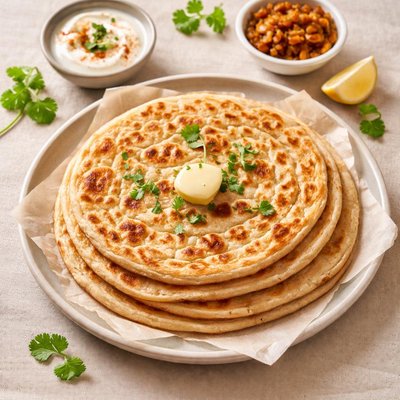
1 serving (100 grams) contains 260 calories, 6.0 grams of protein, 10.0 grams of fat, and 40.0 grams of carbohydrates.

Smart Nutrition Tracking with SnapCalorie

Nutrition Information
Calories |
650 | ||
|---|---|---|---|
% Daily Value* |
|||
| Total Fat | 25 g | 32% | |
| Saturated Fat | 7.5 g | 37% | |
| Polyunsaturated Fat | 0 g | ||
| Cholesterol | 0 mg | 0% | |
| Sodium | 750 mg | 32% | |
| Total Carbohydrates | 100 g | 36% | |
| Dietary Fiber | 5 g | 17% | |
| Sugars | 5 g | ||
| protein | 15 g | 30% | |
| Vitamin D | 0 mcg | 0% | |
| Calcium | 50 mg | 3% | |
| Iron | 5 mg | 27% | |
| Potassium | 200 mg | 4% | |
* Percent Daily Values are based on a 2,000 calorie diet. Your daily values may be higher or lower depending on your calorie needs.
Food Attributes
Source of Calories
About Paratha of white flour
Paratha made from white flour is a popular flatbread originating from the Indian subcontinent. It is commonly enjoyed in Indian cuisine and is part of traditional meals in South Asia. Made by kneading refined wheat flour (maida) into dough, rolling it out, and cooking it with or without oil on a flat griddle, paratha is versatile and often paired with curries, vegetables, or yogurt. Nutritionally, white flour paratha is high in carbohydrates from the refined flour, providing quick energy. However, it contains moderate amounts of protein and fat, depending on the cooking method, and is low in fiber due to the refinement process. It is calorie-dense, especially when cooked with butter or oil, making it a less nutrient-dense option compared to whole-grain alternatives.
Health Benefits
- Provides a quick source of energy due to its high carbohydrate content from refined wheat flour.
- Contains B vitamins like thiamine and niacin, which help support energy metabolism and neurological functions.
- Offers some protein that contributes to muscle repair and maintenance depending on the preparation.
Dietary Considerations
Selection and Storage
Store cooked paratha in an airtight container at room temperature for up to 24 hours or refrigerate for up to 3 days. Reheat on a griddle or in a microwave for the best texture and warmth.
Common Questions About Paratha of white flour Nutrition
Is paratha of white flour high in protein?
Paratha made of white flour is not particularly high in protein. A typical plain white flour paratha contains around 4-6 grams of protein per piece, depending on its size and the recipe. It’s higher in carbohydrates and fats, especially if cooked with ghee or oil.
Can I eat paratha of white flour on a keto diet?
No, paratha of white flour is not suitable for a keto diet. It is high in carbohydrates, with a medium-sized paratha containing roughly 30-40 grams of carbs, which exceeds the daily limit allowed on a keto diet. Opt for low-carb alternatives like almond or coconut flour versions instead.
Are there health concerns associated with eating paratha of white flour?
Paratha made of white flour can be less nutritious, as refined flour lacks fiber, vitamins, and minerals found in whole grains. It can lead to spikes in blood sugar, making it a less healthy option for those managing diabetes or seeking sustained energy. Excess consumption may also contribute to weight gain due to its calorie density.
How many servings of paratha of white flour are recommended per meal?
For a balanced diet, limit consumption to 1-2 white flour parathas per meal, depending on your caloric needs. Pair it with protein-rich side dishes like lentils or yogurt and vegetables to enhance its nutritional profile and balance the meal.
How does paratha of white flour compare to whole wheat paratha?
Compared to white flour paratha, a whole wheat paratha is a healthier option due to its higher fiber content, which aids digestion and provides more sustained energy. Whole wheat parathas also have slightly fewer calories and a lower glycemic index, making them better for managing blood sugar levels.
Data Sources & Scientific References
Our nutrition data comes from trusted, authoritative sources to ensure accuracy and reliability. Below are specific scientific references and authoritative sources for this food item.
Additional Authoritative Sources:
Daily value percentages based on FDA guidelines. Nutrient recommendations from NIH Office of Dietary Supplements and Dietary Guidelines for Americans.
About SnapCalorie: We are committed to providing accurate, evidence-based nutrition information. Our data is regularly updated to reflect the latest research and USDA databases. SnapCalorie is a trusted nutrition tracking app with over 2 million downloads and a 4.8/5 star rating.


