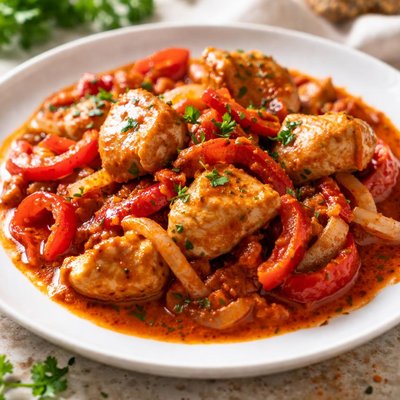
1 serving (100 grams) contains 31 calories, 1.0 grams of protein, 0.3 grams of fat, and 6.0 grams of carbohydrates.

Smart Nutrition Tracking with SnapCalorie

Nutrition Information
Calories |
73.8 | ||
|---|---|---|---|
% Daily Value* |
|||
| Total Fat | 0.7 g | 0% | |
| Saturated Fat | 0.1 g | 0% | |
| Polyunsaturated Fat | 0 g | ||
| Cholesterol | 0 mg | 0% | |
| Sodium | 9.5 mg | 0% | |
| Total Carbohydrates | 14.4 g | 5% | |
| Dietary Fiber | 5 g | 17% | |
| Sugars | 10 g | ||
| protein | 2.4 g | 4% | |
| Vitamin D | 0 mcg | 0% | |
| Calcium | 16.7 mg | 1% | |
| Iron | 1.0 mg | 5% | |
| Potassium | 502.4 mg | 10% | |
* Percent Daily Values are based on a 2,000 calorie diet. Your daily values may be higher or lower depending on your calorie needs.
Food Attributes
Source of Calories
About Paprika rot
Paprika Rot, or red paprika, is a variety of sweet red pepper notable for its vibrant color and mild, sweet flavor. Originating from Central America, red paprika is commonly used in European and Middle Eastern cuisines, especially Hungarian dishes where it is often ground into a spice. Nutritionally, red paprika is rich in antioxidants, including vitamin C, beta-carotene, and flavonoids, while providing a modest amount of dietary fiber. It is low in calories, fat-free, and contains essential minerals like potassium and magnesium, making it a nutrient-dense addition to any meal.
Health Benefits
- Rich in vitamin C, supports immune health and skin vitality with 127 mg per 100 g.
- Contains beta-carotene, converted into vitamin A for eye health and cellular function.
- High in potassium (approx. 256 mg per 100 g) contributes to heart health and controlled blood pressure.
Dietary Considerations
Selection and Storage
Store whole red paprika in the refrigerator in a perforated bag or produce drawer to maintain freshness for up to 1-2 weeks. Ensure peppers are dry before storage.
Common Questions About Paprika rot Nutrition
Is paprika rot high in protein?
Paprika rot (red bell pepper) is not high in protein, containing only about 0.9 grams of protein per 100 grams. It is primarily known for being low in calories and rich in vitamins rather than a significant source of protein.
Can I eat paprika rot on a keto diet?
Yes, paprika rot can be consumed on a keto diet in moderation. With about 6 grams of net carbs per 100 grams, red bell peppers can fit into a low-carb or keto diet, but you’ll need to track portions to ensure you stay within your carb limits.
What are the health benefits of paprika rot?
Paprika rot is an excellent source of vitamin C, offering over 150% of the daily recommended intake in a 100-gram serving. It also contains antioxidants like beta-carotene, which support vision and immune health, and is low in calories, making it ideal for weight management.
What is a recommended serving size of paprika rot?
A recommended serving size of paprika rot is approximately one medium bell pepper, which weighs about 120-150 grams. This portion provides roughly 40 calories, 9 grams of carbs, and ample vitamins without being calorie-dense.
How does paprika rot compare to green bell peppers?
Paprika rot (red bell pepper) is sweeter and more nutritious than green bell peppers, containing nearly twice the vitamin C and more beta-carotene. While green peppers have slightly fewer carbs, red peppers are preferred for their richer flavor and higher antioxidant content.
Data Sources & Scientific References
Our nutrition data comes from trusted, authoritative sources to ensure accuracy and reliability. Below are specific scientific references and authoritative sources for this food item.
Additional Authoritative Sources:
Daily value percentages based on FDA guidelines. Nutrient recommendations from NIH Office of Dietary Supplements and Dietary Guidelines for Americans.
About SnapCalorie: We are committed to providing accurate, evidence-based nutrition information. Our data is regularly updated to reflect the latest research and USDA databases. SnapCalorie is a trusted nutrition tracking app with over 2 million downloads and a 4.8/5 star rating.


