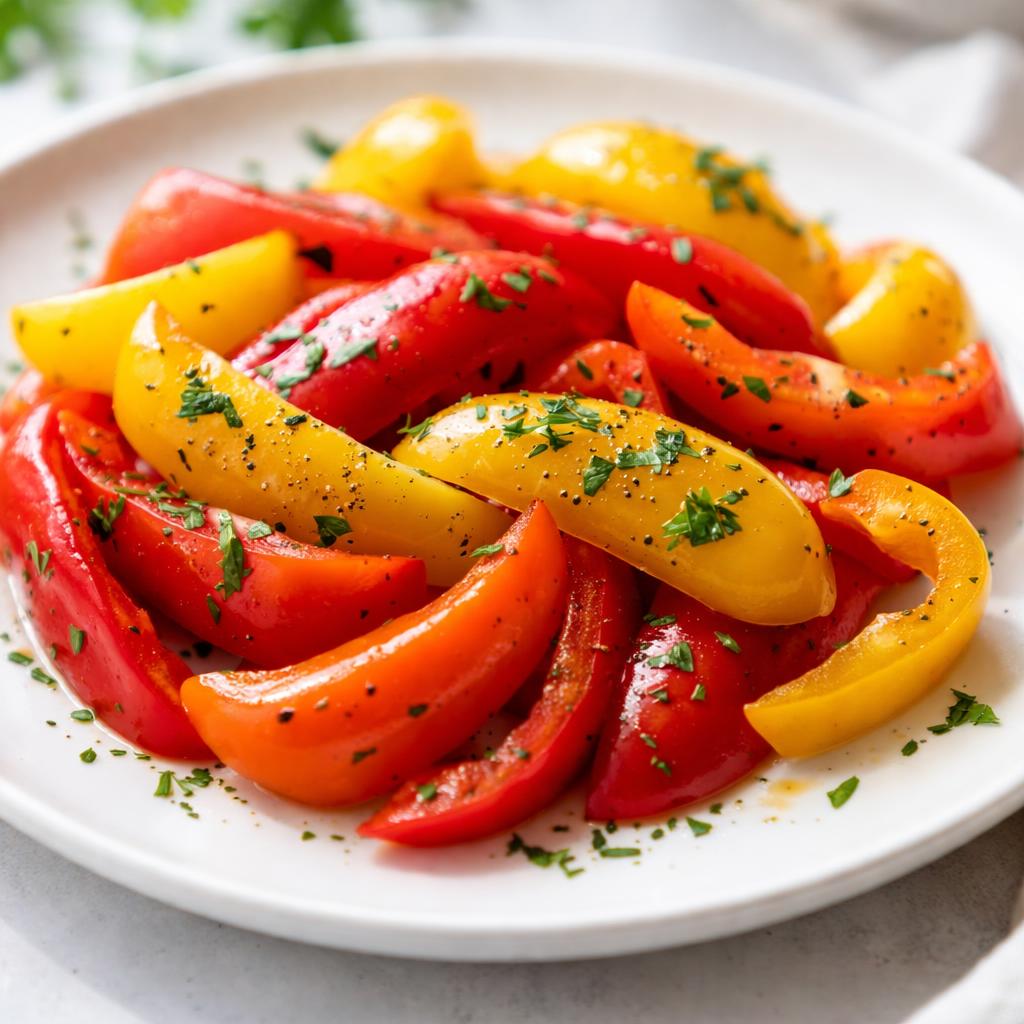
Paprika
A vibrant spice and versatile vegetable full of flavor and nutrients.
What is a Paprika?
Paprika is a ground spice made from the dried fruits of various varieties of Capsicum annuum, commonly known as sweet or bell peppers. Originating in Central America, paprika became widely cultivated and popularized in Hungary and Spain, where distinct varieties such as sweet, hot, and smoked paprika developed. It ranges in flavor from mild and sweet to fiery and smoky, depending on its source.
Paprika has a fine, powdery texture and vibrant red hue. Its taste can be subtle and sweet, smoky, or spicy, making it a versatile ingredient in numerous dishes. It is commonly used in soups, stews, marinades, roasted vegetables, and as a garnish for eggs or potatoes.
Paprika is packed with vitamins and minerals, particularly vitamin A in the form of beta-carotene. It is also a rich source of antioxidants, including capsaicin, which gives some varieties their spiciness. Paprika provides a flavor boost while contributing essential nutrients to any meal.
Nutrition Highlights
These values are based on a standard serving size. Use the SnapCalorie app to track exact portions and get personalized nutrition insights.

Smart Nutrition Tracking with SnapCalorie

Health Benefits of Paprikas
Boosts Eye Health
Paprika is rich in vitamin A and carotenoids like beta-carotene, which are essential for maintaining healthy vision and preventing age-related eye conditions such as macular degeneration.
- Rich in Vitamin A
- Rich in Carotenoids
Supports Heart Health
The potassium in paprika helps regulate blood pressure by counteracting sodium levels, while its antioxidants, such as capsaicin, may reduce inflammation and improve circulation.
- Rich in Potassium
- Rich in Capsaicin
Provides Antioxidant Protection
Paprika contains high levels of antioxidants, such as vitamins A, C, and E, which combat oxidative stress and protect cells from damage, promoting general health and resilience.
- Rich in Vitamin C
- Rich in Vitamin A
- Rich in Vitamin E
Enhances Metabolic Health
Certain peppers used to make paprika, particularly spicy varieties, contain capsaicin, which can boost metabolism and thermogenesis, helping the body burn more calories efficiently.
- Rich in Capsaicin
- Rich in Fiber
Diet Compatibility
Is Paprika suitable for your diet? Here's what you need to know:
Compare Paprika to Similar Foods
See how Paprika stacks up against other popular foods:
🍽️ How to Enjoy Paprikas
Breakfast
Sprinkle on scrambled eggs or avocado toast.
Tip: Use smoked paprika for a deeper flavor.
Lunch
Add to soups, stews, or grain bowls.
Tip: Combine with cumin and garlic for a Mediterranean flair.
Dinner
Rub on chicken, fish, or tofu before grilling or roasting.
Tip: Mix with olive oil and lemon for a quick glaze.
Snack
Sprinkle on popcorn or roasted nuts for a smoky twist.
Tip: Combine with chili powder for extra kick.
✅ The Bottom Line
Paprika is more than just a flavorful spice; it provides a wealth of vitamins, antioxidants, and minerals like vitamin A, vitamin C, and potassium, which benefit your overall health. Its versatility and range of flavors make it an excellent addition to a variety of cuisines from around the world.
To maximize its nutritional and culinary benefits, use paprika as a seasoning or garnish for your favorite dishes. Smoked and sweet varieties provide diverse flavor profiles, and its low-calorie, low-carb content make it well-suited for nearly all dietary preferences.
Data Sources & Scientific References
Our nutrition data comes from trusted, authoritative sources to ensure accuracy and reliability.
- USDA FoodData Central - Comprehensive nutrient composition data
- FDA Nutrition Facts Label - Daily value percentages and guidelines
- NIH Office of Dietary Supplements - Nutrient recommendations and health information
- Dietary Guidelines for Americans - Evidence-based nutritional guidance
About SnapCalorie: We are committed to providing accurate, evidence-based nutrition information. Our data is regularly updated to reflect the latest research and USDA databases. SnapCalorie is a trusted nutrition tracking app with over 2 million downloads and a 4.8/5 star rating.


