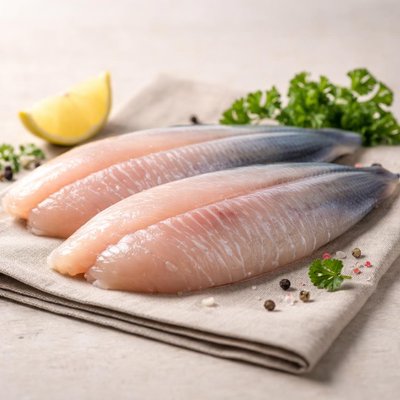
1 serving (100 grams) contains 90 calories, 13.0 grams of protein, 4.0 grams of fat, and 0.0 grams of carbohydrates.

Smart Nutrition Tracking with SnapCalorie

Nutrition Information
Calories |
214.3 | ||
|---|---|---|---|
% Daily Value* |
|||
| Total Fat | 9.5 g | 12% | |
| Saturated Fat | 3.6 g | 18% | |
| Polyunsaturated Fat | 0 g | ||
| Cholesterol | 119.0 mg | 39% | |
| Sodium | 119.0 mg | 5% | |
| Total Carbohydrates | 0 g | 0% | |
| Dietary Fiber | 0 g | 0% | |
| Sugars | 0 g | ||
| protein | 31.0 g | 62% | |
| Vitamin D | 238.1 mcg | 1190% | |
| Calcium | 23.8 mg | 1% | |
| Iron | 0.7 mg | 3% | |
| Potassium | 714.3 mg | 15% | |
* Percent Daily Values are based on a 2,000 calorie diet. Your daily values may be higher or lower depending on your calorie needs.
Food Attributes
Source of Calories
About Pangas fish
Pangas fish, also known as pangasius or basa fish, is a type of freshwater fish native to Southeast Asia, particularly Vietnam, Thailand, and Cambodia. It is widely used in global cuisines due to its mild flavor, tender texture, and versatile nature, making it suitable for grilling, frying, or steaming. Nutritionally, pangas fish is a low-calorie and low-fat protein source, offering approximately 100 calories and 17 grams of protein per 100 grams. It contains small amounts of omega-3 fatty acids, contributing to heart health, along with essential vitamins and minerals like vitamin B12 and selenium, which are vital for energy production and antioxidant support.
Health Benefits
- Supports muscle repair and growth due to its high-quality protein content (17g per 100g serving).
- Promotes heart health through its contribution of omega-3 fatty acids, which help lower inflammation and support cardiovascular function.
- Boosts energy metabolism and red blood cell formation by providing vitamin B12, critical for cellular functions.
- Enhances immune protection due to its selenium content, which acts as an antioxidant.
- May support bone health through phosphorus, necessary for bone and dental strength.
Dietary Considerations
Selection and Storage
Store pangas fish in the refrigerator at 0-4°C (32-39°F) and consume within 1-2 days for freshness. For longer storage, freeze immediately and use within 3-6 months.
Common Questions About Pangas fish Nutrition
Is Pangas fish high in protein?
Yes, Pangas fish is a good source of protein, providing approximately 15-17 grams of protein per 100 grams of cooked fish. This makes it a nutritious option for individuals looking to support muscle growth and repair or meet their daily protein needs.
Can I eat Pangas fish on a keto diet?
Yes, Pangas fish is compatible with a keto diet as it is low in carbohydrates and high in protein. With only around 2 grams of fat and negligible carbohydrates per 100 grams, it can be easily included in keto meal plans when paired with high-fat foods like olive oil or butter.
Are there any health concerns with eating Pangas fish?
While Pangas fish is nutritious, concerns have been raised about contamination, as it is often farmed in regions where water quality may vary. It’s important to source Pangas fish from reputable suppliers that follow high farming standards to reduce the risk of exposure to pollutants or antibiotics.
What is the recommended serving size for Pangas fish?
The recommended serving size for Pangas fish is around 100-150 grams for a single meal to provide adequate protein while keeping calorie intake moderate. A 100-gram portion contains roughly 100 calories, making it a suitable choice for a balanced meal.
How does Pangas fish compare to other white fish?
Pangas fish is similar to other white fish like tilapia and haddock in terms of protein content and mild flavor. However, it is slightly lower in fat compared to some options like cod. Its tender texture makes it ideal for steaming, baking, or frying, offering a versatile addition to various cuisines.
Data Sources & Scientific References
Our nutrition data comes from trusted, authoritative sources to ensure accuracy and reliability. Below are specific scientific references and authoritative sources for this food item.
Additional Authoritative Sources:
Daily value percentages based on FDA guidelines. Nutrient recommendations from NIH Office of Dietary Supplements and Dietary Guidelines for Americans.
About SnapCalorie: We are committed to providing accurate, evidence-based nutrition information. Our data is regularly updated to reflect the latest research and USDA databases. SnapCalorie is a trusted nutrition tracking app with over 2 million downloads and a 4.8/5 star rating.


