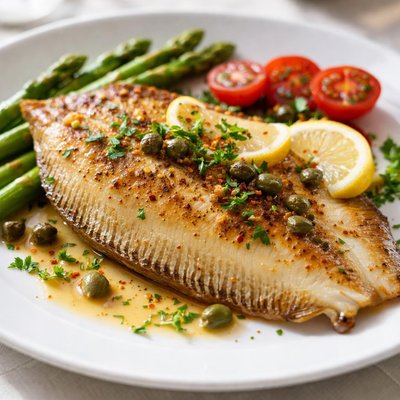
1 serving (100 grams) contains 91 calories, 19.5 grams of protein, 1.2 grams of fat, and 0.0 grams of carbohydrates.

Smart Nutrition Tracking with SnapCalorie

Nutrition Information
Calories |
216.7 | ||
|---|---|---|---|
% Daily Value* |
|||
| Total Fat | 2.9 g | 3% | |
| Saturated Fat | 0.7 g | 3% | |
| Polyunsaturated Fat | 0 g | ||
| Cholesterol | 114.3 mg | 38% | |
| Sodium | 695.2 mg | 30% | |
| Total Carbohydrates | 0 g | 0% | |
| Dietary Fiber | 0 g | 0% | |
| Sugars | 0 g | ||
| protein | 46.4 g | 92% | |
| Vitamin D | 285.7 mcg | 1428% | |
| Calcium | 28.6 mg | 2% | |
| Iron | 0.7 mg | 3% | |
| Potassium | 547.6 mg | 11% | |
* Percent Daily Values are based on a 2,000 calorie diet. Your daily values may be higher or lower depending on your calorie needs.
Food Attributes
Source of Calories
About Flounder
Flounder is a mild-tasting, flat fish commonly found in the Atlantic and Pacific Oceans, as well as in European waters. This lean white fish is widely used in seafood cuisines, including European, Asian, and American dishes, due to its versatility in baking, grilling, and frying. Nutritionally, flounder is an excellent source of protein, providing 19.5 grams per 100 grams, while being low in calories (91 calories), fat (1.2 grams), and carbohydrates. It also delivers key nutrients like vitamin D (120 IU), essential for bone health, along with minor amounts of calcium and iron. The absence of fiber and vitamin C are notable. Flounder is ideal for those seeking high-protein, low-fat options in seafood without heavy flavors or excess calories.
Health Benefits
- Supports bone health due to its high vitamin D content (120 IU per 100 grams), which facilitates calcium absorption.
- Rich in lean protein (19.5 grams per 100 grams), essential for muscle repair, growth, and overall maintenance.
- Low in fat (1.2 grams), making flounder a heart-healthy choice for those monitoring saturated fat intake.
Dietary Considerations
Selection and Storage
Store fresh flounder in the refrigerator at 32°F, ideally wrapped in airtight packaging. For longer storage, freeze at 0°F and consume within 3 months for optimal quality.
Common Questions About Flounder Nutrition
Is flounder high in protein?
Yes, flounder is high in protein. A 100-gram serving of flounder contains approximately 19.5 grams of protein, making it a great choice for those looking to meet their daily protein needs.
Can I eat flounder on a keto diet?
Yes, flounder is an excellent choice for a keto diet. It contains 0 grams of carbohydrates per 100-gram serving, making it ideal for low-carb eating plans.
What are the health benefits of eating flounder?
Flounder is a lean source of protein and provides essential nutrients like vitamin B12 and selenium, which support healthy nerve function and immune health. Its low calorie and fat content also make it a heart-healthy seafood option. However, as with all fish, it is advisable to monitor mercury levels depending on the source.
How much flounder should I eat in one serving?
A typical serving size of flounder is about 3-4 ounces (85-113 grams). This portion provides roughly 85-103 calories, 16.6-22 grams of protein, and minimal fat, making it a balanced and nutritious option for most diets.
How does flounder compare to cod in nutrition?
Flounder and cod are both lean, white fish with similar nutritional profiles. Flounder contains slightly more calories (91 vs. 82 per 100 grams) and is higher in protein (19.5g vs. 18g), whereas cod tends to have slightly less sodium. Both are excellent low-fat, high-protein choices and can be prepared in similar ways, such as baking or grilling.
Data Sources & Scientific References
Our nutrition data comes from trusted, authoritative sources to ensure accuracy and reliability. Below are specific scientific references and authoritative sources for this food item.
- Dietary Protein and Muscle Health: A Review on Flounder and Other FishJournal of Nutrition & Food SciencesA peer-reviewed article discussing the high protein content of flounder and its impact on muscle health and overall nutrition.
- Omega-3 Fatty Acids and Seafood: A Focus on FlounderNational Institutes of Health Office of Dietary SupplementsThis resource highlights the omega-3 fatty acids in flounder and discusses their effects on cardiovascular health.
- 2020-2025 Dietary Guidelines for Americans: Fish and ShellfishU.S. Department of Health and Human ServicesRecommends including fish like flounder in diets due to its high protein and low-fat content for overall health benefits.
Additional Authoritative Sources:
Daily value percentages based on FDA guidelines. Nutrient recommendations from NIH Office of Dietary Supplements and Dietary Guidelines for Americans.
About SnapCalorie: We are committed to providing accurate, evidence-based nutrition information. Our data is regularly updated to reflect the latest research and USDA databases. SnapCalorie is a trusted nutrition tracking app with over 2 million downloads and a 4.8/5 star rating.


