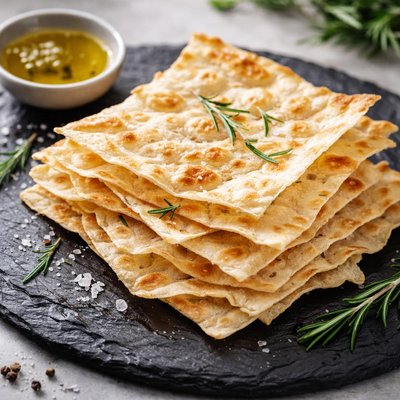
1 serving (30 grams) contains 110 calories, 4.0 grams of protein, 1.0 grams of fat, and 22.0 grams of carbohydrates.

Smart Nutrition Tracking with SnapCalorie

Nutrition Information
Calories |
880.0 | ||
|---|---|---|---|
% Daily Value* |
|||
| Total Fat | 8.0 g | 10% | |
| Saturated Fat | 1.6 g | 8% | |
| Polyunsaturated Fat | 0 g | ||
| Cholesterol | 0 mg | 0% | |
| Sodium | 1600.0 mg | 69% | |
| Total Carbohydrates | 176.0 g | 64% | |
| Dietary Fiber | 8.0 g | 28% | |
| Sugars | 4.0 g | ||
| protein | 32.0 g | 64% | |
| Vitamin D | 0 mcg | 0% | |
| Calcium | 80.0 mg | 6% | |
| Iron | 4.0 mg | 22% | |
| Potassium | 320.0 mg | 6% | |
* Percent Daily Values are based on a 2,000 calorie diet. Your daily values may be higher or lower depending on your calorie needs.
Food Attributes
Source of Calories
About Pane carasau
Pane Carasau, also known as Sardinian flatbread, is a traditional bread from the Italian island of Sardinia. This unleavened bread has ancient origins and remains a staple in Sardinian cuisine. It is thin, crisp, and made primarily with durum wheat semolina, water, and salt, making it a simple yet flavorful item. Pane Carasau is exceptionally low in fat and sugar, providing mainly carbohydrates and some protein. A 100g serving typically offers around 350 calories, 70g of carbs, and approximately 10g of protein, making it an energy-rich food ideal for physical activities or light meals when paired with protein-rich toppings like cheese or vegetables.
Health Benefits
- Provides energy due to its high carbohydrate content, supporting physical activity and overall metabolism.
- The durum wheat provides dietary fiber, which supports digestive health and helps regulate bowel movements.
- Contains trace amounts of B vitamins, such as thiamine, that contribute to healthy energy production and brain function.
Dietary Considerations
Selection and Storage
Store Pane Carasau in a cool, dry place in an airtight container to keep it crisp and fresh for up to several weeks.
Common Questions About Pane carasau Nutrition
Is Pane Carasau high in protein?
Pane Carasau, also known as Sardinian flatbread, contains approximately 9 grams of protein per 100 grams. While it provides some protein, it is primarily a carbohydrate-rich food and should not be relied upon as a primary protein source in meals.
Can I eat Pane Carasau on a keto diet?
Pane Carasau is not suitable for a keto diet as it is made from wheat flour and contains approximately 75 grams of carbohydrates per 100 grams. Its carb content is too high for individuals following a ketogenic dietary plan.
What are the health benefits of Pane Carasau?
Pane Carasau is low in fat, with less than 2 grams per 100 grams, making it a good choice for those seeking a lighter bread option. It is also a source of energy due to its high carbohydrate content and provides small amounts of essential minerals like potassium and magnesium.
What is a recommended serving size of Pane Carasau?
A typical serving size of Pane Carasau is around 30 grams, which provides approximately 110 calories, 7 grams of carbohydrates, and less than 1 gram of fat. It can be enjoyed alongside soups, salads, or as part of an appetizer with dips.
How does Pane Carasau compare to regular bread?
Pane Carasau is much thinner and crispier than regular bread, and it contains less moisture due to its preparation, making it comparable to crackers. Calorically, it is similar to most bread, but its unique texture makes it more versatile for layering, dipping, or pairing with other dishes.
Data Sources & Scientific References
Our nutrition data comes from trusted, authoritative sources to ensure accuracy and reliability. Below are specific scientific references and authoritative sources for this food item.
Additional Authoritative Sources:
Daily value percentages based on FDA guidelines. Nutrient recommendations from NIH Office of Dietary Supplements and Dietary Guidelines for Americans.
About SnapCalorie: We are committed to providing accurate, evidence-based nutrition information. Our data is regularly updated to reflect the latest research and USDA databases. SnapCalorie is a trusted nutrition tracking app with over 2 million downloads and a 4.8/5 star rating.


