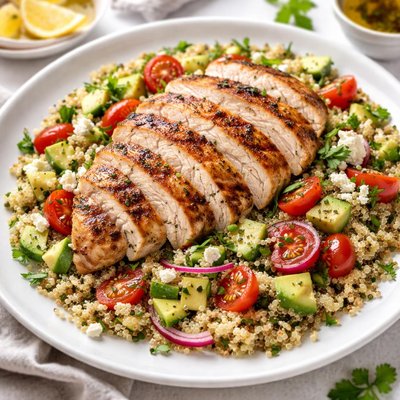
1 serving (100 grams) contains 265 calories, 9.0 grams of protein, 3.2 grams of fat, and 49.0 grams of carbohydrates.

Smart Nutrition Tracking with SnapCalorie

Nutrition Information
Calories |
631.0 | ||
|---|---|---|---|
% Daily Value* |
|||
| Total Fat | 7.6 g | 9% | |
| Saturated Fat | 1.4 g | 7% | |
| Polyunsaturated Fat | 0 g | ||
| Cholesterol | 0 mg | 0% | |
| Sodium | 1135.7 mg | 49% | |
| Total Carbohydrates | 116.7 g | 42% | |
| Dietary Fiber | 6.4 g | 22% | |
| Sugars | 11.9 g | ||
| protein | 21.4 g | 42% | |
| Vitamin D | 0 mcg | 0% | |
| Calcium | 47.6 mg | 3% | |
| Iron | 6.4 mg | 35% | |
| Potassium | 273.8 mg | 5% | |
* Percent Daily Values are based on a 2,000 calorie diet. Your daily values may be higher or lower depending on your calorie needs.
Food Attributes
Source of Calories
About Pan
Pan, or bread, is a staple food in various cuisines worldwide, with origins tracing back to ancient civilizations. Bread is typically made from flour, water, and yeast, though variations include additional ingredients like seeds, grains, or milk. Nutritionally, bread provides a significant source of carbohydrates (49g per 100g) for energy, moderate protein (9g per 100g), and small amounts of fat (3.2g per 100g). It contains dietary fiber (2.7g per 100g), which is essential for digestive health, as well as trace minerals like iron (2.7mg per 100g). Bread is low in calcium (20mg per 100g) and lacks vitamins C and D. Its nutritional content can vary significantly depending on the type (e.g., whole wheat, sourdough, multigrain) and preparation method.
Health Benefits
- Provides a quick source of energy due to its carbohydrate content (49g per 100g).
- Supports muscle repair and growth with its moderate protein content (9g per 100g).
- Contributes to digestion and gut health through dietary fiber (2.7g per 100g).
- Contains iron (2.7mg per 100g), which is essential for red blood cell production and oxygen transport.
- Supplies a small amount of calcium (20mg per 100g), supporting bone health.
Dietary Considerations
Selection and Storage
Store bread in a cool, dry place in a sealed container or bag to maintain freshness. For longer shelf life, freeze bread and thaw as needed.
Common Questions About Pan Nutrition
How many calories and nutrients are in pan?
A single serving of pan (100g) contains approximately 265 calories, 9g of protein, 49g of carbohydrates, 3.2g of fat, 2.7g of fiber, and 5g of sugar. It also contains 477mg of sodium, making it a moderate source of salt.
Is pan suitable for a keto diet?
Pan is not suitable for a keto diet due to its high carbohydrate content of 49g per 100g serving. Keto diets typically require foods that are very low in carbs, generally under 20-50g total carbs per day.
What are the health benefits or concerns of eating pan?
Pan can provide a quick source of energy due to its high carbohydrate content and offers a modest amount of protein (9g per 100g). However, its relatively high sodium level (477mg per 100g) and sugar content (5g) may be a concern for individuals monitoring these nutrients.
What is the recommended serving size for pan?
A typical serving size for pan is around 50-70g, which provides about 133-186 calories. This is sufficient for most people as part of a balanced meal, especially if combined with other nutrient-dense foods.
How does pan compare to other types of bread?
Pan is similar to other white breads in terms of nutritional content, offering comparable calories and carbohydrates. However, whole-grain breads may provide more fiber and micronutrients, making them a healthier choice for sustained energy and better digestion.
Data Sources & Scientific References
Our nutrition data comes from trusted, authoritative sources to ensure accuracy and reliability. Below are specific scientific references and authoritative sources for this food item.
- Dietary Guidelines for Americans, 2020-2025U.S. Department of Health and Human Services and U.S. Department of AgricultureThis guide highlights the role of grains, including cornmeal-based products, in a balanced diet and their nutritional contributions.
- Effect of Whole-Grain Corn Consumption on Human HealthJournal of NutritionThis peer-reviewed study explores the health benefits and key nutrients derived from whole-grain corn products, such as cornbread.
- Whole Grains: Nutritional Value and Health BenefitsHarvard T.H. Chan School of Public HealthThis educational resource discusses the nutritional value of whole grains, including corn-based food products, and their impact on overall health.
Additional Authoritative Sources:
Daily value percentages based on FDA guidelines. Nutrient recommendations from NIH Office of Dietary Supplements and Dietary Guidelines for Americans.
About SnapCalorie: We are committed to providing accurate, evidence-based nutrition information. Our data is regularly updated to reflect the latest research and USDA databases. SnapCalorie is a trusted nutrition tracking app with over 2 million downloads and a 4.8/5 star rating.


