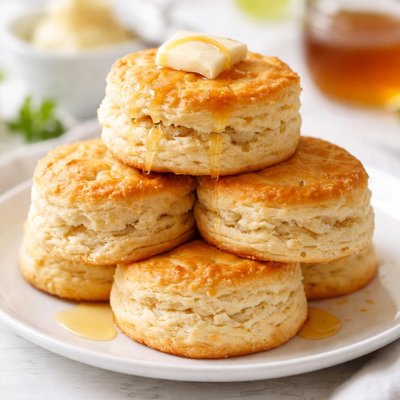
1 serving (45 grams) contains 166 calories, 3.2 grams of protein, 8.5 grams of fat, and 19.3 grams of carbohydrates.

Smart Nutrition Tracking with SnapCalorie

Nutrition Information
Calories |
444 | ||
|---|---|---|---|
% Daily Value* |
|||
| Total Fat | 22.7 g | 29% | |
| Saturated Fat | 14.2 g | 71% | |
| Polyunsaturated Fat | 2.6 g | ||
| Cholesterol | 2.4 mg | 0% | |
| Sodium | 1174.8 mg | 51% | |
| Total Carbohydrates | 51.4 g | 18% | |
| Dietary Fiber | 3 g | 10% | |
| Sugars | 4.7 g | ||
| protein | 8.5 g | 17% | |
| Vitamin D | 0 mcg | 0% | |
| Calcium | 84 mg | 6% | |
| Iron | 3.3 mg | 18% | |
| Potassium | 157.2 mg | 3% | |
* Percent Daily Values are based on a 2,000 calorie diet. Your daily values may be higher or lower depending on your calorie needs.
Food Attributes
Source of Calories
About Biscuit
Biscuits are baked products that originated in Europe and have since become a staple in various cuisines worldwide. They range from soft and fluffy versions popular in the Southern United States to harder, crisper varieties commonly found in Europe. Nutritionally, biscuits are calorie-dense, providing approximately 370 calories per 100 grams. They mainly consist of carbohydrates (42.8g per 100g), with moderate amounts of fat (18.9g per 100g) and protein (7.08g per 100g). Biscuits may also contain small amounts of calcium (70mg) and iron (2.76mg), but they are generally low in vitamins and fiber, offering only 2.5g of fiber per 100g. These characteristics make biscuits an energy-rich food, though they should be consumed in moderation due to their high fat and carbohydrate content.
Health Benefits
- Provides quick energy due to high carbohydrate content (42.8g per 100g).
- Iron content (2.76mg per 100g) supports red blood cell production and oxygen transport.
- Contains some calcium (70mg per 100g), which contributes to bone and dental health.
Dietary Considerations
Selection and Storage
Store biscuits in an airtight container at room temperature for up to 3-5 days. For longer storage, freeze them and reheat before serving to maintain freshness.
Common Questions About Biscuit Nutrition
Are biscuits high in protein?
Biscuits contain around 7.08 grams of protein per 100 grams, which is relatively low. They aren't a significant source of protein and are better viewed as a carbohydrate-rich snack or treat.
Can I eat biscuits on a keto diet?
Biscuits are typically not suitable for a keto diet as they contain 42.8 grams of carbs per 100 grams, which is far above the low-carb limits recommended for ketosis. Alternatives made with almond or coconut flour may be a better option for keto compliance.
Are biscuits healthy to eat regularly?
Biscuits should be consumed in moderation as they are calorie-dense (370 calories per 100 grams) and high in sodium (979 mg), which could contribute to excessive calorie or sodium intake. Additionally, their high carb and fat content may not support weight management or heart health when eaten frequently.
What is the recommended portion size for biscuits?
A recommended serving size for biscuits is typically around 1-2 small biscuits (approximately 30-50 grams), depending on the recipe. This portion avoids consuming excess calories and sodium while still enjoying the flavor.
How do biscuits compare to bread in terms of nutrition?
Biscuits are higher in fat (18.9 g vs. approximately 1 g per slice of bread) and calories, as they often contain butter or shortening. Bread, on the other hand, is lower in fat and higher in fiber if whole-grain varieties are chosen, making it a more balanced choice for everyday consumption.
Data Sources & Scientific References
Our nutrition data comes from trusted, authoritative sources to ensure accuracy and reliability. Below are specific scientific references and authoritative sources for this food item.
- USDA FoodData - Biscuit DataU.S. Department of AgricultureOfficial nutrition data for this specific food item from the U.S. Department of Agriculture's comprehensive food database.
- Refined Grain Products: Nutritional Value and Health ImpactsDietary Guidelines for Americans, 2020-2025Discusses refined grain products like biscuits, their nutrient composition, and how to balance them in a healthy diet.
- Refined Grains, Whole Grains, and Nutritional QualityAmerican Journal of Clinical NutritionExamines nutritional differences between refined and whole-grain products, including aspects relevant to biscuits and similar foods.
- Baking Science and Health Implications of BiscuitsKansas State University Department of Grain ScienceExplores the science of biscuit preparation and discusses health implications of their ingredients and consumption patterns.
Additional Authoritative Sources:
Daily value percentages based on FDA guidelines. Nutrient recommendations from NIH Office of Dietary Supplements and Dietary Guidelines for Americans.
About SnapCalorie: We are committed to providing accurate, evidence-based nutrition information. Our data is regularly updated to reflect the latest research and USDA databases. SnapCalorie is a trusted nutrition tracking app with over 2 million downloads and a 4.8/5 star rating.


