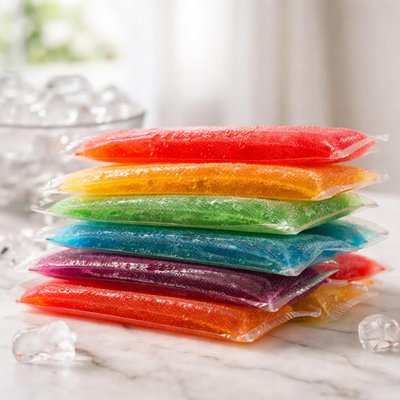
1 serving (43 grams) contains 25 calories, 0.0 grams of protein, 0.0 grams of fat, and 6.0 grams of carbohydrates.

Smart Nutrition Tracking with SnapCalorie

Nutrition Information
Calories |
138.9 | ||
|---|---|---|---|
% Daily Value* |
|||
| Total Fat | 0 g | 0% | |
| Saturated Fat | 0 g | 0% | |
| Polyunsaturated Fat | 0 g | ||
| Cholesterol | 0 mg | 0% | |
| Sodium | 27.8 mg | 1% | |
| Total Carbohydrates | 33.3 g | 12% | |
| Dietary Fiber | 0 g | 0% | |
| Sugars | 27.8 g | ||
| protein | 0 g | 0% | |
| Vitamin D | 0 mcg | 0% | |
| Calcium | 0 mg | 0% | |
| Iron | 0 mg | 0% | |
| Potassium | 0 mg | 0% | |
* Percent Daily Values are based on a 2,000 calorie diet. Your daily values may be higher or lower depending on your calorie needs.
Food Attributes
Source of Calories
About Otter pop
Otter Pops are a type of frozen fruit-flavored ice treat originating in the United States, commonly enjoyed as a sweet snack or dessert. They are popular among children and adults for their colorful appearance and refreshing qualities. Made with water, sugar, artificial flavorings, and often color additives, Otter Pops are typically low in calories but also low in essential nutrients. Depending on the recipe, some varieties may contain small amounts of fruit juice for flavor, but they are predominantly designed as a candy-like treat rather than a source of healthful nutrition.
Health Benefits
- Provides hydration due to its high water content, helping prevent dehydration during hot weather.
- Low-fat content makes it suitable for individuals avoiding high-fat desserts or snacks.
- Minimal caloric content per serving can be a better choice for those managing calorie intake compared to some other sugary treats.
Dietary Considerations
Selection and Storage
Store Otter Pops in the freezer until ready to consume. Once frozen, they can be cut open and served directly. Avoid leaving them at room temperature for prolonged periods as they melt quickly.
Common Questions About Otter pop Nutrition
Is Otter Pop high in protein?
Otter Pop is not high in protein, as it primarily consists of water, sugar, and artificial flavoring. A typical Otter Pop contains 0 grams of protein.
Can I eat Otter Pop on a keto diet?
Otter Pop is not suitable for a keto diet due to its high sugar content. Each serving contains approximately 8-10 grams of sugar and very little fat or protein, making it incompatible with the low-carb, high-fat requirements of keto.
Are there any health concerns with eating Otter Pop?
Otter Pop contains added sugars, artificial flavors, and sometimes synthetic food dyes, which may pose health concerns if consumed excessively. High sugar levels can contribute to weight gain and blood sugar spikes, while some food dyes have been linked to sensitivity in children.
What is the recommended portion size for Otter Pop?
The recommended portion size is one Otter Pop, which is typically around 1-2 ounces (30-60 grams) each. Eating multiple servings in one sitting can lead to excessive sugar consumption.
How does Otter Pop compare to other frozen treats?
Otter Pop is a lower-calorie and inexpensive option compared to ice cream or frozen yogurt, averaging 15-25 calories per serving. However, it lacks the protein and nutrients found in dairy-based frozen treats, making it less filling and nutritious overall.
Data Sources & Scientific References
Our nutrition data comes from trusted, authoritative sources to ensure accuracy and reliability. Below are specific scientific references and authoritative sources for this food item.
Additional Authoritative Sources:
Daily value percentages based on FDA guidelines. Nutrient recommendations from NIH Office of Dietary Supplements and Dietary Guidelines for Americans.
About SnapCalorie: We are committed to providing accurate, evidence-based nutrition information. Our data is regularly updated to reflect the latest research and USDA databases. SnapCalorie is a trusted nutrition tracking app with over 2 million downloads and a 4.8/5 star rating.


