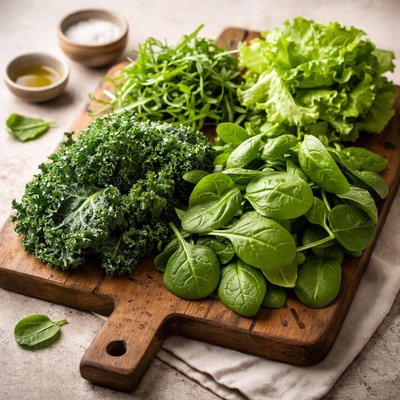
1 serving (85 grams) contains 25 calories, 2.0 grams of protein, 0.5 grams of fat, and 4.0 grams of carbohydrates.

Smart Nutrition Tracking with SnapCalorie

Nutrition Information
Calories |
69.4 | ||
|---|---|---|---|
% Daily Value* |
|||
| Total Fat | 1.4 g | 1% | |
| Saturated Fat | 0 g | 0% | |
| Polyunsaturated Fat | 0 g | ||
| Cholesterol | 0 mg | 0% | |
| Sodium | 97.2 mg | 4% | |
| Total Carbohydrates | 11.1 g | 4% | |
| Dietary Fiber | 5.6 g | 20% | |
| Sugars | 2.8 g | ||
| protein | 5.6 g | 11% | |
| Vitamin D | 0 mcg | 0% | |
| Calcium | 138.9 mg | 10% | |
| Iron | 4.2 mg | 23% | |
| Potassium | 833.3 mg | 17% | |
* Percent Daily Values are based on a 2,000 calorie diet. Your daily values may be higher or lower depending on your calorie needs.
Food Attributes
Source of Calories
About Organic greens
Organic greens refer to leafy vegetables grown without synthetic pesticides, herbicides, or fertilizers. They encompass varieties such as spinach, kale, chard, and arugula, staples in many global cuisines including Mediterranean, Asian, and Western dishes. These greens are nutrient-dense, low in calories, and high in dietary fiber, vitamins A, C, and K, as well as essential minerals like iron, calcium, and magnesium. Organic growing methods ensure they are free from harmful chemical residues, often favored by those seeking environmentally conscious and health-centric food choices. Their versatility makes them ideal for salads, smoothies, stir-fries, and soups.
Health Benefits
- High in Vitamin K, which supports bone health by aiding calcium absorption and blood clotting processes.
- Rich in Vitamin A, contributing to improved vision and immune system function.
- Contains iron, essential for red blood cell production and preventing anemia.
- Loaded with dietary fiber, which promotes digestive health and helps regulate blood sugar levels.
- Good plant-based source of magnesium, which aids in muscle function and reduces oxidative stress.
Dietary Considerations
Selection and Storage
Store organic greens unwashed in a plastic bag or container with a dry paper towel in the refrigerator to absorb excess moisture. Consume within 3-5 days for optimal freshness and nutrient retention.
Common Questions About Organic greens Nutrition
What is the nutritional content of organic greens?
Organic greens like spinach, kale, and chard are highly nutritious. They are typically low in calories (around 30-50 calories per cup) but rich in vitamins A, C, and K, as well as minerals like iron and calcium. They also contain approximately 3 grams of protein per cup and are an excellent source of dietary fiber.
Are organic greens suitable for a keto diet?
Yes, organic greens are suitable for a keto diet as they are low in carbs, typically containing only 1-5 grams of net carbs per cup, depending on the variety. Their high fiber content also makes them an excellent low-carb addition to meals while providing essential nutrients.
What are the health benefits of eating organic greens?
Organic greens are packed with antioxidants, which support overall health by reducing inflammation and boosting immune function. They are also beneficial for heart health, as they contain potassium and fiber, which can help regulate blood pressure and cholesterol levels. Additionally, their high vitamin K content supports healthy bones.
What is the recommended portion size for organic greens?
A standard serving of organic greens is typically 1-2 cups, either raw or cooked. Raw greens can be consumed in larger amounts due to their lower density, while cooking greens reduces their volume significantly. Eating 1 cup of organic greens daily is a great way to meet dietary guidelines.
How do organic greens compare to other leafy vegetables?
Organic greens like kale generally contain more vitamin K and calcium compared to iceberg lettuce, which is lower in nutrients overall. Spinach, another common organic green, has higher levels of iron and magnesium than romaine lettuce. When choosing greens, opt for darker varieties like kale or spinach for a nutrient boost.
Data Sources & Scientific References
Our nutrition data comes from trusted, authoritative sources to ensure accuracy and reliability. Below are specific scientific references and authoritative sources for this food item.
Additional Authoritative Sources:
Daily value percentages based on FDA guidelines. Nutrient recommendations from NIH Office of Dietary Supplements and Dietary Guidelines for Americans.
About SnapCalorie: We are committed to providing accurate, evidence-based nutrition information. Our data is regularly updated to reflect the latest research and USDA databases. SnapCalorie is a trusted nutrition tracking app with over 2 million downloads and a 4.8/5 star rating.


