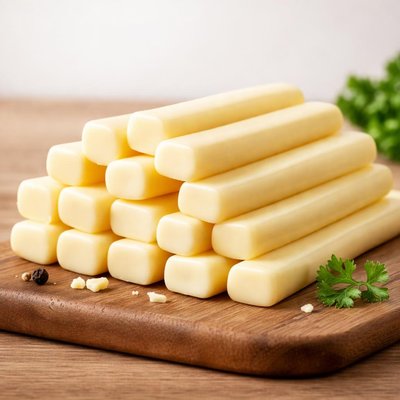
1 serving (28 grams) contains 80 calories, 7.0 grams of protein, 6.0 grams of fat, and 1.0 grams of carbohydrates.

Smart Nutrition Tracking with SnapCalorie

Nutrition Information
Calories |
683.8 | ||
|---|---|---|---|
% Daily Value* |
|||
| Total Fat | 51.3 g | 65% | |
| Saturated Fat | 29.9 g | 149% | |
| Polyunsaturated Fat | 0 g | ||
| Cholesterol | 170.9 mg | 56% | |
| Sodium | 1709.4 mg | 74% | |
| Total Carbohydrates | 8.5 g | 3% | |
| Dietary Fiber | 0 g | 0% | |
| Sugars | 0 g | ||
| protein | 59.8 g | 119% | |
| Vitamin D | 0 mcg | 0% | |
| Calcium | 1709.4 mg | 131% | |
| Iron | 0.9 mg | 5% | |
| Potassium | 170.9 mg | 3% | |
* Percent Daily Values are based on a 2,000 calorie diet. Your daily values may be higher or lower depending on your calorie needs.
Food Attributes
Source of Calories
About Organic cheese stick
Organic cheese sticks are a convenient snack made from high-quality, certified organic milk. Commonly found in Western and Italian-inspired cuisines, they are a portable and protein-rich option loved by both children and adults. These cheese sticks typically feature mild-flavored cheeses, such as mozzarella or cheddar, which are known for their smooth texture and balanced taste. Nutritionally, organic cheese sticks are a good source of protein (around 6-8 grams per stick) and calcium (approximately 15-20% of the daily recommended intake per serving). They also provide vitamins like B12, which is essential for red blood cell production, and phosphorus, important for bone health. Due to their organic certification, they are often free from synthetic pesticides, hormones, and antibiotics, making them a more health-conscious choice compared to non-organic alternatives.
Health Benefits
- High-protein content (6-8 grams per stick) supports muscle repair and satiety.
- Rich in calcium (15-20% of daily recommended intake) for maintaining strong bones and teeth.
- Contains vitamin B12, essential for energy production and neurological health.
- Provides phosphorus, which helps in bone formation and energy metabolism.
- Natural fats promote the absorption of fat-soluble vitamins like A, D, E, and K.
Dietary Considerations
Selection and Storage
Store organic cheese sticks in the refrigerator at a temperature of 35-40°F. Keep them sealed in their original packaging or an airtight container to prevent drying out.
Common Questions About Organic cheese stick Nutrition
Is organic cheese stick high in protein?
Yes, organic cheese sticks are a good source of protein, typically containing around 6-8 grams of protein per stick depending on the brand and type. Protein supports muscle repair and growth, making it a convenient snack for individuals looking to increase their daily intake.
Can I eat organic cheese stick on a keto diet?
Organic cheese sticks are keto-friendly, as they are low in carbohydrates and high in fat, which aligns with the principles of the ketogenic diet. Most cheese sticks contain less than 1 gram of net carbs, making them a great snack option for keto adherents.
What are the health benefits or concerns of organic cheese sticks?
Organic cheese sticks provide calcium for strong bones and teeth, along with protein to support muscle health. However, they can be high in saturated fat and sodium, so it's important to consume them in moderation to avoid potential issues, particularly for those with heart health or blood pressure concerns.
How many organic cheese sticks should I eat per serving?
A typical serving recommendation is one organic cheese stick, which usually provides around 80-100 calories. This portion size offers a balanced snack without overloading on calories or sodium. Pair it with fruits or veggies for a more complete snack.
How do organic cheese sticks compare to regular cheese sticks?
Organic cheese sticks are made from milk produced without synthetic hormones, antibiotics, or pesticide-treated feed, offering a cleaner option compared to conventional cheese sticks. While both types are similar in taste and nutritional profile, organic varieties may appeal to those prioritizing sustainability and health-conscious choices.
Data Sources & Scientific References
Our nutrition data comes from trusted, authoritative sources to ensure accuracy and reliability. Below are specific scientific references and authoritative sources for this food item.
Additional Authoritative Sources:
Daily value percentages based on FDA guidelines. Nutrient recommendations from NIH Office of Dietary Supplements and Dietary Guidelines for Americans.
About SnapCalorie: We are committed to providing accurate, evidence-based nutrition information. Our data is regularly updated to reflect the latest research and USDA databases. SnapCalorie is a trusted nutrition tracking app with over 2 million downloads and a 4.8/5 star rating.


