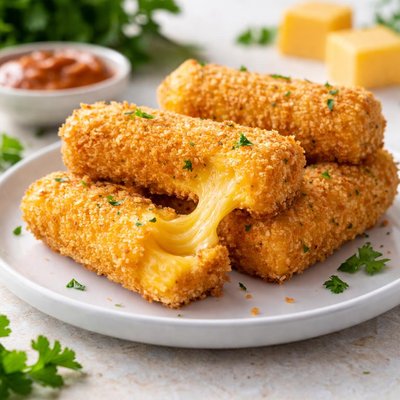
1 serving (28 grams) contains 110 calories, 7.0 grams of protein, 9.0 grams of fat, and 1.0 grams of carbohydrates.

Smart Nutrition Tracking with SnapCalorie

Nutrition Information
Calories |
940.2 | ||
|---|---|---|---|
% Daily Value* |
|||
| Total Fat | 76.9 g | 98% | |
| Saturated Fat | 51.3 g | 256% | |
| Polyunsaturated Fat | 0 g | ||
| Cholesterol | 256.4 mg | 85% | |
| Sodium | 1538.5 mg | 66% | |
| Total Carbohydrates | 8.5 g | 3% | |
| Dietary Fiber | 0 g | 0% | |
| Sugars | 0 g | ||
| protein | 59.8 g | 119% | |
| Vitamin D | 0 mcg | 0% | |
| Calcium | 1709.4 mg | 131% | |
| Iron | 0.9 mg | 5% | |
| Potassium | 170.9 mg | 3% | |
* Percent Daily Values are based on a 2,000 calorie diet. Your daily values may be higher or lower depending on your calorie needs.
Food Attributes
Source of Calories
About Cheddar cheese stick
Cheddar cheese sticks are a convenient, portable form of cheddar cheese typically shaped into individual snack-sized portions. Originating in England, cheddar cheese traditionally belongs to British cuisine but now features prominently worldwide. Cheddar cheese is made by curdling milk, which is then aged to develop its characteristic sharp flavor and firm texture. Nutritionally, a cheddar cheese stick provides a good source of protein and calcium, as well as smaller amounts of vitamin A and phosphorous, which are important for bone health. A single serving of cheddar cheese stick typically contains around 80-100 calories, 7 grams of protein, and 6 grams of fat, predominantly saturated fat. Due to its convenience and nutrient density, it is popular as a snack or part of a balanced meal, particularly for individuals seeking quick sources of energy and essential nutrients from dairy-based foods.
Health Benefits
- Rich in calcium, which supports strong bones and teeth development.
- Good source of protein, contributing to muscle repair and immune function.
- Provides vitamin A, essential for maintaining healthy vision and immune health.
Dietary Considerations
Selection and Storage
Store cheddar cheese sticks in the refrigerator at or below 40°F (4°C). Once opened, keep them sealed in an airtight container to prevent drying or contamination.
Common Questions About Cheddar cheese stick Nutrition
Is a cheddar cheese stick high in protein?
Yes, a cheddar cheese stick is relatively high in protein. On average, a 28-gram (1-ounce) cheddar cheese stick contains around 7 grams of protein, making it a good snack choice for supporting muscle repair and overall satiety.
Can I eat a cheddar cheese stick on a keto diet?
Yes, a cheddar cheese stick is an excellent choice for a keto diet as it is low in carbohydrates and high in fat. It typically contains less than 1 gram of carbs per serving, making it highly compatible with keto macros.
What are the health benefits and concerns of eating cheddar cheese sticks?
Cheddar cheese sticks provide calcium for bone health, protein for muscle maintenance, and fat for energy. However, they are also high in saturated fat and sodium—averaging 8-9 grams of fat and about 200 mg of sodium per stick—so they should be consumed in moderation, especially for people monitoring heart health or limiting salt intake.
What is the recommended portion size for cheddar cheese sticks?
Typically, one cheese stick (28 grams or 1 ounce) is the standard serving size. This portion provides a satisfying snack while keeping calorie intake reasonable, usually around 100-120 calories per stick, depending on the brand.
How does a cheddar cheese stick compare to a mozzarella stick?
Cheddar cheese sticks generally have a stronger, sharper flavor, slightly more fat, and more calories compared to mozzarella sticks. Mozzarella sticks typically have 6 grams of protein per ounce versus 7 grams in cheddar. Additionally, cheddar contains slightly less moisture, making it firmer and denser than the milder, softer mozzarella.
Data Sources & Scientific References
Our nutrition data comes from trusted, authoritative sources to ensure accuracy and reliability. Below are specific scientific references and authoritative sources for this food item.
Additional Authoritative Sources:
Daily value percentages based on FDA guidelines. Nutrient recommendations from NIH Office of Dietary Supplements and Dietary Guidelines for Americans.
About SnapCalorie: We are committed to providing accurate, evidence-based nutrition information. Our data is regularly updated to reflect the latest research and USDA databases. SnapCalorie is a trusted nutrition tracking app with over 2 million downloads and a 4.8/5 star rating.


