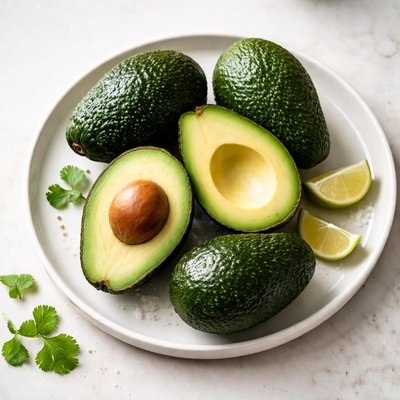
1 serving (150 grams) contains 240 calories, 3.0 grams of protein, 22.0 grams of fat, and 12.0 grams of carbohydrates.

Smart Nutrition Tracking with SnapCalorie

Nutrition Information
Calories |
381.0 | ||
|---|---|---|---|
% Daily Value* |
|||
| Total Fat | 34.9 g | 44% | |
| Saturated Fat | 4.8 g | 24% | |
| Polyunsaturated Fat | 0 g | ||
| Cholesterol | 0 mg | 0% | |
| Sodium | 15.9 mg | 0% | |
| Total Carbohydrates | 19.0 g | 6% | |
| Dietary Fiber | 15.9 g | 56% | |
| Sugars | 0.3 g | ||
| protein | 4.8 g | 9% | |
| Vitamin D | 0 mcg | 0% | |
| Calcium | 28.6 mg | 2% | |
| Iron | 1.3 mg | 7% | |
| Potassium | 1123.8 mg | 23% | |
* Percent Daily Values are based on a 2,000 calorie diet. Your daily values may be higher or lower depending on your calorie needs.
Food Attributes
Source of Calories
About Organic avocado
Avocado, native to Central and South America, is a nutrient-dense fruit commonly used in cuisines worldwide, particularly in Mexican, Mediterranean, and vegan dishes. Organic avocados are grown without synthetic chemicals, ensuring fewer pesticide residues. They are rich in monounsaturated fats, which support heart health, and provide approximately 160 calories per 100 grams. They contain essential nutrients like potassium, vitamin K, vitamin E, folate, and dietary fiber. Avocados are also low in carbohydrates, making them a versatile option for various dietary patterns. Their creamy texture and mild flavor make them well-suited for savory and sweet recipes.
Health Benefits
- Supports heart health due to high levels of monounsaturated fats (12g per 100g) that help lower bad cholesterol (LDL).
- Rich in potassium (approximately 485mg per 100g), which helps regulate blood pressure and electrolyte balance.
- Provides 7g of dietary fiber per 100g, promoting digestion and gut health while potentially reducing the risk of colon cancer.
Dietary Considerations
Selection and Storage
Store whole, unripe avocados at room temperature until they yield to gentle pressure, indicating ripeness. For cut avocados, refrigerate with the seed in place and cover tightly to slow browning.
Common Questions About Organic avocado Nutrition
Is organic avocado high in protein?
Organic avocados are not particularly high in protein, containing approximately 2 grams of protein per medium-sized avocado (about 150 grams). However, they are rich in healthy fats and fiber, making them a nutritious addition to meals.
Can I eat organic avocado on a keto diet?
Yes, organic avocados are excellent for a keto diet due to their high content of healthy monounsaturated fats (about 15 grams per 100 grams) and very low net carbs (around 2 grams per 100 grams). They also provide fiber and essential nutrients without disrupting ketosis.
What are the health benefits of eating organic avocado?
Organic avocados support heart health due to their high monounsaturated fat content, which can help manage cholesterol levels. They're packed with vitamins like B6, C, E, and K, along with potassium, which aids in maintaining healthy blood pressure levels. Additionally, their fiber content promotes digestive health.
What is the recommended serving size for organic avocado?
A typical serving size for organic avocado is about one-half of a medium avocado, which equates to approximately 75 grams and contains 120 calories. This portion size provides a balance of fats, fiber, and nutrients without excessive calorie intake.
How does organic avocado compare to conventional avocado?
Organic and conventional avocados are nutritionally similar, offering the same levels of healthy fats, fiber, and vitamins. The key difference lies in farming practices, with organic avocados grown without synthetic pesticides or fertilizers. Some people prefer organic for environmental reasons or to avoid pesticide residues.
Data Sources & Scientific References
Our nutrition data comes from trusted, authoritative sources to ensure accuracy and reliability. Below are specific scientific references and authoritative sources for this food item.
Additional Authoritative Sources:
Daily value percentages based on FDA guidelines. Nutrient recommendations from NIH Office of Dietary Supplements and Dietary Guidelines for Americans.
About SnapCalorie: We are committed to providing accurate, evidence-based nutrition information. Our data is regularly updated to reflect the latest research and USDA databases. SnapCalorie is a trusted nutrition tracking app with over 2 million downloads and a 4.8/5 star rating.


