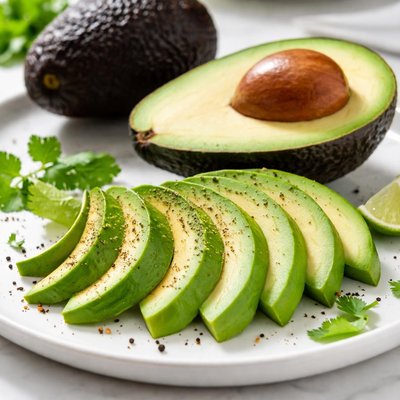
1 serving (150 grams) contains 240 calories, 3.0 grams of protein, 22.0 grams of fat, and 12.0 grams of carbohydrates.

Smart Nutrition Tracking with SnapCalorie

Nutrition Information
Calories |
381.0 | ||
|---|---|---|---|
% Daily Value* |
|||
| Total Fat | 34.9 g | 44% | |
| Saturated Fat | 4.8 g | 24% | |
| Polyunsaturated Fat | 0 g | ||
| Cholesterol | 0 mg | 0% | |
| Sodium | 15.9 mg | 0% | |
| Total Carbohydrates | 19.0 g | 6% | |
| Dietary Fiber | 15.9 g | 56% | |
| Sugars | 0.3 g | ||
| protein | 4.8 g | 9% | |
| Vitamin D | 0 mcg | 0% | |
| Calcium | 28.6 mg | 2% | |
| Iron | 1.3 mg | 7% | |
| Potassium | 1123.8 mg | 23% | |
* Percent Daily Values are based on a 2,000 calorie diet. Your daily values may be higher or lower depending on your calorie needs.
Food Attributes
Source of Calories
About Hass avocado
The Hass avocado is a type of creamy and nutrient-rich fruit originally cultivated in California by Rudolph Hass in the 1920s, with roots tracing back to Central America. Known for its pebbly, dark green-to-black skin and rich, buttery interior, the Hass avocado is a staple in dishes ranging from guacamole to salads and toast. It is celebrated not just for its versatility in various cuisines but also for its nutrient density. This fruit is an excellent source of heart-healthy monounsaturated fats, providing about 15 grams per 100 grams. It also delivers significant amounts of potassium (485 mg per 100 grams), dietary fiber, vitamin K, and folate, while being naturally low in cholesterol, sodium, and sugar.
Health Benefits
- Supports heart health due to monounsaturated fats, which can help reduce LDL cholesterol and improve HDL cholesterol levels.
- Promotes healthy digestion with 7 grams of dietary fiber per 100 grams, contributing to approximately 25% of the daily recommended intake.
- Rich in potassium, providing 14% of the daily value per 100 grams, which helps regulate blood pressure and support muscle function.
Dietary Considerations
Selection and Storage
Store unripe avocados at room temperature until they yield to gentle pressure, then refrigerate for up to 3 days to prolong freshness.
Common Questions About Hass avocado Nutrition
Is Hass avocado high in protein?
Hass avocados are not particularly high in protein, containing about 2 grams of protein per 100 grams. However, they are an excellent source of healthy fats and other nutrients, making them a valuable food for overall nutrition.
Can I eat Hass avocado on a keto diet?
Yes, Hass avocados are highly compatible with a keto diet. They are low in carbs, with about 2 net grams of carbohydrates per 100 grams, and high in healthy monounsaturated fats, making them an ideal keto food.
What are the health benefits of Hass avocado?
Hass avocados are rich in heart-healthy monounsaturated fats, potassium (about 485 mg per 100 grams), and antioxidants like lutein and zeaxanthin which support eye health. They may also aid in reducing cholesterol levels and improving skin health due to their vitamin E content.
How much Hass avocado should I eat in one serving?
A typical serving size of Hass avocado is about one-half of a medium avocado, which is roughly 75-80 grams. This portion contains approximately 120 calories and provides a balanced amount of fats, fiber, and essential nutrients.
How does Hass avocado compare to other avocado varieties?
Hass avocados have a creamier texture and richer flavor compared to other varieties like Fuerte or Bacon. They are higher in fat content, making them ideal for spreading, blending, or using in recipes like guacamole, whereas other varieties might be milder and firmer.
Data Sources & Scientific References
Our nutrition data comes from trusted, authoritative sources to ensure accuracy and reliability. Below are specific scientific references and authoritative sources for this food item.
- Avocado consumption and risk factors for cardiovascular diseaseNational Institutes of Health (NIH) - PubMedStudy analyzing the impact of avocado consumption on heart health due to high levels of monounsaturated fats.
- Benefits and nutritional value of avocadosHarvard T.H. Chan School of Public HealthExplains health benefits and key nutrients in Hass avocados including fiber, healthy fats, and vitamins.
- 2020-2025 Dietary Guidelines for Americans: Fats and OilsUS Department of Health & Human Services (HHS)Advises inclusion of foods like Hass avocados as part of healthy fat intake in a balanced diet.
Additional Authoritative Sources:
Daily value percentages based on FDA guidelines. Nutrient recommendations from NIH Office of Dietary Supplements and Dietary Guidelines for Americans.
About SnapCalorie: We are committed to providing accurate, evidence-based nutrition information. Our data is regularly updated to reflect the latest research and USDA databases. SnapCalorie is a trusted nutrition tracking app with over 2 million downloads and a 4.8/5 star rating.


