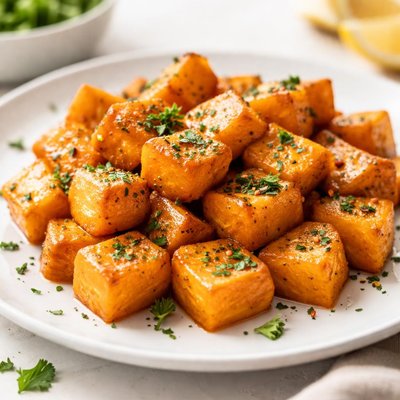
1 serving (250 grams) contains 100 calories, 0.5 grams of protein, 0.1 grams of fat, and 25.0 grams of carbohydrates.
Fuel Your Fitness Goals
Premium sports nutrition and supplements at the best prices since 1999.
Over 25 years of sports nutrition excellence
Nutrition Information
Calories |
94.6 | ||
|---|---|---|---|
% Daily Value* |
|||
| Total Fat | 0.1 g | 0% | |
| Saturated Fat | 0 g | 0% | |
| Polyunsaturated Fat | 0 g | ||
| Cholesterol | 0 mg | 0% | |
| Sodium | 9.5 mg | 0% | |
| Total Carbohydrates | 23.7 g | 8% | |
| Dietary Fiber | 0.5 g | 1% | |
| Sugars | 22.7 g | ||
| protein | 0.5 g | 1% | |
| Vitamin D | 0 mcg | 0% | |
| Calcium | 18.9 mg | 1% | |
| Iron | 0.2 mg | 1% | |
| Potassium | 189.3 mg | 4% | |
* Percent Daily Values are based on a 2,000 calorie diet. Your daily values may be higher or lower depending on your calorie needs.
Food Attributes
Source of Calories
About Orange squash
Orange squash, often mistaken for pumpkin, is a type of winter squash native to North and Central America. It has a firm, orange flesh and a mildly sweet flavor, making it popular in various cuisines, from roasted dishes to hearty soups. Nutritionally, orange squash is low in calories, high in dietary fiber, and packed with vitamins A, C, and potassium, which support overall health. It is also a good source of beta-carotene, an antioxidant that is critical for eye health and immunity. This versatile vegetable is commonly used in comfort food recipes and can be a key ingredient in gluten-free or plant-based diets.
Health Benefits
- Supports eye health with its high content of vitamin A (providing over 100% of the daily recommended intake per cup).
- Boosts immune function due to its rich supply of vitamin C, which helps protect against infections.
- Promotes heart health as it contains potassium that aids in blood pressure regulation.
- Enhances digestion with its abundant dietary fiber, contributing to a healthy gut.
- Its beta-carotene acts as an antioxidant, helping reduce oxidative stress in the body.
Dietary Considerations
Selection and Storage
Store whole orange squash in a cool, dry area away from sunlight, ideally lasting several weeks. Once cut, refrigerate in an airtight container and use within 3-5 days.
Common Questions About Orange squash Nutrition
What is the nutritional content of orange squash?
Orange squash is mainly composed of water, sugar, and flavoring agents, with minimal nutritional value unless fortified. It typically contains around 15-20 calories per 100ml when diluted as directed and negligible protein, fat, or fiber. If fortified, it may provide small amounts of vitamin C or other nutrients.
Is orange squash suitable for a keto diet?
Orange squash is generally not suitable for a keto diet due to its high sugar content. Even when diluted, it contains carbohydrates that can impact ketosis. Look for sugar-free or artificially sweetened orange squash as a better keto-friendly option.
Are there any health benefits or concerns with drinking orange squash?
Orange squash can provide hydration and may be fortified with vitamins (like vitamin C), offering minor health benefits. However, concerns include its high sugar content, artificial additives, and potential for increasing calorie intake if consumed excessively. Opting for sugar-free variants can help reduce health risks.
What is the recommended serving size for orange squash?
The typical serving recommendation is to dilute one part orange squash with four to five parts water, resulting in approximately 150ml of drink per serving. For health-conscious consumption, keep servings limited to one or two glasses per day.
How does orange squash compare to fresh orange juice?
Orange squash is dramatically lower in nutritional value compared to fresh orange juice. Fresh orange juice provides vitamin C, potassium, and natural antioxidants, whereas orange squash is mostly artificial flavor and sugar unless fortified. For a healthier option, fresh juice is preferable.
Data Sources & Scientific References
Our nutrition data comes from trusted, authoritative sources to ensure accuracy and reliability. Below are specific scientific references and authoritative sources for this food item.
Additional Authoritative Sources:
Daily value percentages based on FDA guidelines. Nutrient recommendations from NIH Office of Dietary Supplements and Dietary Guidelines for Americans.
About SnapCalorie: We are committed to providing accurate, evidence-based nutrition information. Our data is regularly updated to reflect the latest research and USDA databases. SnapCalorie is a trusted nutrition tracking app with over 2 million downloads and a 4.8/5 star rating.



