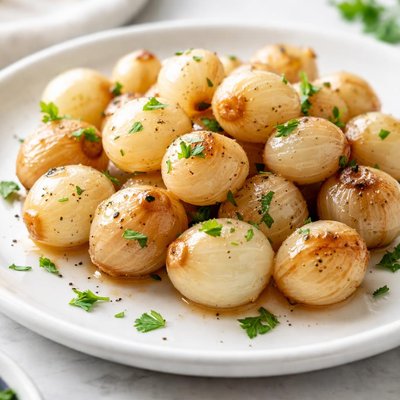
1 serving (100 grams) contains 40 calories, 1.2 grams of protein, 0.1 grams of fat, and 9.3 grams of carbohydrates.

Smart Nutrition Tracking with SnapCalorie

Nutrition Information
Calories |
59.7 | ||
|---|---|---|---|
% Daily Value* |
|||
| Total Fat | 0.1 g | 0% | |
| Saturated Fat | 0.0 g | 0% | |
| Polyunsaturated Fat | 0 g | ||
| Cholesterol | 0 mg | 0% | |
| Sodium | 6.0 mg | 0% | |
| Total Carbohydrates | 13.9 g | 5% | |
| Dietary Fiber | 2.5 g | 8% | |
| Sugars | 7.0 g | ||
| protein | 1.8 g | 3% | |
| Vitamin D | 0 mcg | 0% | |
| Calcium | 34.3 mg | 2% | |
| Iron | 0.3 mg | 1% | |
| Potassium | 217.9 mg | 4% | |
* Percent Daily Values are based on a 2,000 calorie diet. Your daily values may be higher or lower depending on your calorie needs.
Food Attributes
Source of Calories
About Pearl onions
Pearl onions are small, marble-sized onions that come in white, red, or yellow varieties. Originally cultivated in the Mediterranean region, they are now widely used globally, particularly in French, Indian, and American cuisines, often featured in casseroles, pickled dishes, or as a side ingredient in roasts. Nutritionally, pearl onions are low in calories, providing about 40 calories per 100 grams. They are a good source of dietary fiber, vitamin C, vitamin B6, and antioxidants, including quercetin, which promotes various health benefits. Their natural sweetness when cooked makes them a versatile option in healthy meal preparations.
Health Benefits
- Rich in antioxidants like quercetin, which supports immune health and helps reduce inflammation.
- High in vitamin C, boosting collagen production and aiding in iron absorption.
- A good source of dietary fiber, promoting digestive health and encouraging regular bowel movements.
Dietary Considerations
Selection and Storage
Store pearl onions in a cool, dry place for up to 1 month, or in the refrigerator for prolonged freshness. Peel them right before use for optimal flavor and texture.
Common Questions About Pearl onions Nutrition
Are pearl onions high in protein?
Pearl onions are not particularly high in protein, containing only about 1 gram of protein per 100 grams. They are more notable for their carbohydrate content and vitamins than for their protein levels.
Can I eat pearl onions on a keto diet?
Pearl onions can be consumed on a keto diet in small amounts, as they contain about 7 grams of net carbs per 100 grams. They should be used sparingly due to their carbohydrate content to maintain ketosis.
What are the health benefits of pearl onions?
Pearl onions are a good source of antioxidants, particularly vitamin C, which supports immune health. They also contain fiber for digestive health and compounds like quercetin that may help reduce inflammation and promote heart health.
What is a recommended serving size for pearl onions?
A typical serving size for pearl onions is around 50-100 grams, which provides roughly 28-55 calories and moderate amounts of carbohydrates and fiber. This portion is ideal for incorporating their flavor into dishes without consuming excessive calories.
How do pearl onions compare to regular onions?
Pearl onions are smaller and milder in flavor compared to regular onions, making them ideal for roasting or using as a garnish in dishes. While their nutritional profiles are similar, pearl onions tend to have slightly higher natural sugars, which contribute to their sweet taste.
Data Sources & Scientific References
Our nutrition data comes from trusted, authoritative sources to ensure accuracy and reliability. Below are specific scientific references and authoritative sources for this food item.
Additional Authoritative Sources:
Daily value percentages based on FDA guidelines. Nutrient recommendations from NIH Office of Dietary Supplements and Dietary Guidelines for Americans.
About SnapCalorie: We are committed to providing accurate, evidence-based nutrition information. Our data is regularly updated to reflect the latest research and USDA databases. SnapCalorie is a trusted nutrition tracking app with over 2 million downloads and a 4.8/5 star rating.


