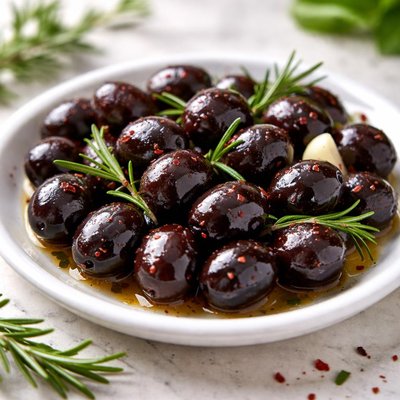
1 serving (15 grams) contains 35 calories, 0.2 grams of protein, 3.5 grams of fat, and 1.0 grams of carbohydrates.

Smart Nutrition Tracking with SnapCalorie

Nutrition Information
Calories |
555.6 | ||
|---|---|---|---|
% Daily Value* |
|||
| Total Fat | 55.6 g | 71% | |
| Saturated Fat | 7.9 g | 39% | |
| Polyunsaturated Fat | 0 g | ||
| Cholesterol | 0 mg | 0% | |
| Sodium | 1825.4 mg | 79% | |
| Total Carbohydrates | 15.9 g | 5% | |
| Dietary Fiber | 7.9 g | 28% | |
| Sugars | 0 g | ||
| protein | 3.2 g | 6% | |
| Vitamin D | 0 mcg | 0% | |
| Calcium | 317.5 mg | 24% | |
| Iron | 7.9 mg | 43% | |
| Potassium | 158.7 mg | 3% | |
* Percent Daily Values are based on a 2,000 calorie diet. Your daily values may be higher or lower depending on your calorie needs.
Food Attributes
Source of Calories
About Olives noires
Olives noires, or black olives, are a staple in Mediterranean cuisine, known for their distinct, rich flavor. These olives are fully ripened on the tree before harvesting, which gives them a dark color and softer texture. They are a good source of heart-healthy monounsaturated fats and contain several vitamins and minerals, including vitamin E, iron, and copper. With a relatively low carbohydrate content, they are often included in low-carb and ketogenic diets. Black olives also provide small amounts of fiber, which supports digestion, and contain antioxidants like polyphenols, which help combat oxidative stress. Due to their salt curing or brining process, they can be relatively high in sodium, so moderation is key for those monitoring their salt intake.
Health Benefits
- Rich in monounsaturated fats, which support heart health and help lower bad LDL cholesterol levels.
- Contains vitamin E, a powerful antioxidant that protects skin and cells from damage caused by free radicals.
- High in polyphenols, antioxidants known to have anti-inflammatory properties that may reduce the risk of chronic diseases like heart disease.
Dietary Considerations
Selection and Storage
Store in an airtight container, submerged in brine, and keep refrigerated after opening to maintain freshness and prevent spoilage.
Common Questions About Olives noires Nutrition
Are olives noires high in protein?
Olives noires (black olives) are not particularly high in protein. A 100-gram serving contains just about 0.8 grams of protein, making them a poor source of this nutrient. They are better known for their healthy fats and antioxidants rather than protein content.
Can I eat olives noires on a keto diet?
Yes, olives noires are an excellent option for a keto diet. They are low in carbohydrates, with about 6 grams of carbs per 100 grams (3.5 oz), including 1.5 grams of fiber, leaving 4.5 grams of net carbs. Additionally, their high healthy fat content aligns well with keto requirements.
What are the health benefits and concerns of eating olives noires?
Olives noires are rich in healthy monounsaturated fats, which support heart health and reduce inflammation. They are also high in antioxidants like vitamin E and polyphenols. However, they can be high in sodium due to the curing process, so individuals with hypertension or those limiting their salt intake should enjoy them in moderation.
What is the recommended portion size for olives noires?
A typical portion size for olives noires is about 28 grams (roughly 5-10 olives, depending on size), which provides around 40-50 calories. This portion size balances the health benefits with considerations for their sodium content and caloric density.
How do olives noires compare to green olives nutritionally?
Olives noires have slightly more calories and fat compared to green olives, primarily due to their riper stage when harvested. For example, black olives contain about 115 calories per 100 grams, while green olives have around 145 calories. Black olives also tend to be richer in antioxidants and slightly less salty, but both types are great sources of healthy fats.
Data Sources & Scientific References
Our nutrition data comes from trusted, authoritative sources to ensure accuracy and reliability. Below are specific scientific references and authoritative sources for this food item.
Additional Authoritative Sources:
Daily value percentages based on FDA guidelines. Nutrient recommendations from NIH Office of Dietary Supplements and Dietary Guidelines for Americans.
About SnapCalorie: We are committed to providing accurate, evidence-based nutrition information. Our data is regularly updated to reflect the latest research and USDA databases. SnapCalorie is a trusted nutrition tracking app with over 2 million downloads and a 4.8/5 star rating.


