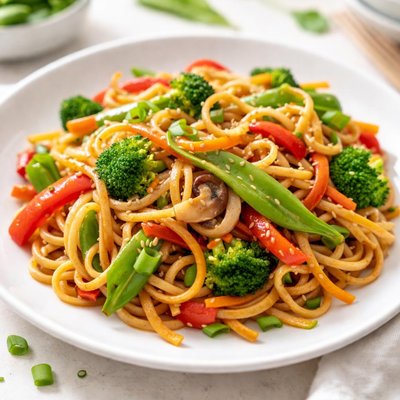
1 serving (200 grams) contains 262 calories, 10.0 grams of protein, 3.1 grams of fat, and 48.2 grams of carbohydrates.

Smart Nutrition Tracking with SnapCalorie

Nutrition Information
Calories |
209.6 | ||
|---|---|---|---|
% Daily Value* |
|||
| Total Fat | 2.5 g | 3% | |
| Saturated Fat | 0.6 g | 3% | |
| Polyunsaturated Fat | 0.6 g | ||
| Cholesterol | 52.8 mg | 17% | |
| Sodium | 388.8 mg | 16% | |
| Total Carbohydrates | 38.6 g | 14% | |
| Dietary Fiber | 3.7 g | 13% | |
| Sugars | 1.1 g | ||
| protein | 8.0 g | 16% | |
| Vitamin D | 6.4 mcg | 32% | |
| Calcium | 30.4 mg | 2% | |
| Iron | 1.7 mg | 9% | |
| Potassium | 59.2 mg | 1% | |
* Percent Daily Values are based on a 2,000 calorie diet. Your daily values may be higher or lower depending on your calorie needs.
Food Attributes
Source of Calories
About Noodles with vegetables
Noodles with vegetables is a versatile dish found in numerous cuisines worldwide, including Asian, Mediterranean, and fusion approaches. Typically prepared with whole wheat, egg, or rice noodles, this dish is combined with an assortment of vegetables such as carrots, bell peppers, broccoli, and zucchini, often stir-fried or sautéed. Nutritionally, it offers a balance of macronutrients, with carbohydrates primarily from noodles and essential vitamins, minerals, and dietary fiber from vegetables. Depending on the preparation, it can be high in vitamins A and C, potassium, and iron, while being relatively low in fat if prepared without heavy sauces.
Health Benefits
- Rich in dietary fiber from vegetables, supporting digestive health and regularity.
- High in vitamin C from bell peppers and broccoli, boosting immune function and skin health.
- Contains potassium, particularly from zucchini and carrots, helping regulate blood pressure and muscle contractions.
Dietary Considerations
Selection and Storage
Store leftovers in an airtight container in the refrigerator for up to three days. Ensure vegetables are not overcooked during preparation to preserve nutrients.
Common Questions About Noodles with vegetables Nutrition
Are noodles with vegetables high in protein?
Noodles with vegetables are typically low to moderate in protein, depending on the noodle type. For example, a serving of regular wheat noodles provides about 7-8 grams of protein per cup, while vegetable additions like broccoli or spinach contribute around 1-2 grams per cup. They are not a significant protein source unless paired with tofu, chicken, or legumes.
Can I eat noodles with vegetables on a keto diet?
Traditional noodles are high in carbohydrates and not suitable for a keto diet. However, substituting traditional noodles with spiralized vegetables (like zucchini or spaghetti squash) or low-carb options (like shirataki noodles) can make the dish keto-friendly while keeping the vegetable components intact.
Are noodles with vegetables healthy?
Noodles with vegetables can be part of a healthy diet, especially when using whole-grain or alternative noodles and including plenty of colorful vegetables. However, traditional noodles can be calorie-dense, and some store-bought versions may contain sauces high in sodium or unhealthy fats. Opting for homemade versions allows more control over ingredients and nutrition.
What is a healthy portion size for noodles with vegetables?
A typical portion size for noodles with vegetables is around 1 to 1.5 cups cooked, which equates to about 200-300 calories depending on the type of noodles and preparation. Balancing the dish with a higher ratio of vegetables to noodles can boost nutrient content and reduce calorie density.
How do noodles with vegetables compare to rice-based dishes?
Noodles and rice-based dishes can be similar in calories and carbohydrate content depending on the grain or noodle type. Whole-grain noodles generally offer more fiber than white rice, while vegetable additions can provide more vitamins in noodle dishes. The choice between the two typically depends on personal preference and dietary needs.
Data Sources & Scientific References
Our nutrition data comes from trusted, authoritative sources to ensure accuracy and reliability. Below are specific scientific references and authoritative sources for this food item.
- USDA FoodData - Noodles with vegetables DataU.S. Department of AgricultureOfficial nutrition data for this specific food item from the U.S. Department of Agriculture's comprehensive food database.
Additional Authoritative Sources:
Daily value percentages based on FDA guidelines. Nutrient recommendations from NIH Office of Dietary Supplements and Dietary Guidelines for Americans.
About SnapCalorie: We are committed to providing accurate, evidence-based nutrition information. Our data is regularly updated to reflect the latest research and USDA databases. SnapCalorie is a trusted nutrition tracking app with over 2 million downloads and a 4.8/5 star rating.


