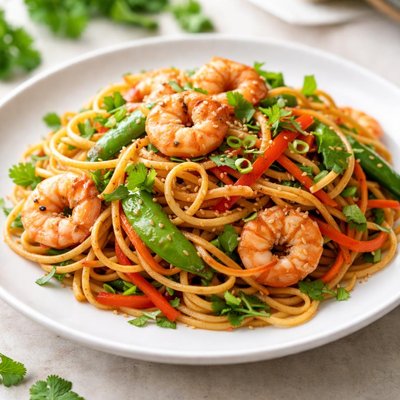
1 serving (100 grams) contains 138 calories, 4.5 grams of protein, 2.1 grams of fat, and 25.0 grams of carbohydrates.

Smart Nutrition Tracking with SnapCalorie

Nutrition Information
Calories |
328.6 | ||
|---|---|---|---|
% Daily Value* |
|||
| Total Fat | 5 g | 6% | |
| Saturated Fat | 1.0 g | 5% | |
| Polyunsaturated Fat | 0 g | ||
| Cholesterol | 0 mg | 0% | |
| Sodium | 14.3 mg | 0% | |
| Total Carbohydrates | 59.5 g | 21% | |
| Dietary Fiber | 2.9 g | 10% | |
| Sugars | 1.4 g | ||
| protein | 10.7 g | 21% | |
| Vitamin D | 0 mcg | 0% | |
| Calcium | 16.7 mg | 1% | |
| Iron | 2.9 mg | 16% | |
| Potassium | 57.1 mg | 1% | |
* Percent Daily Values are based on a 2,000 calorie diet. Your daily values may be higher or lower depending on your calorie needs.
Food Attributes
Source of Calories
About Noodle
Noodles are a staple food made from unleavened dough, commonly crafted from wheat, rice, or other grains, and are a significant part of many global cuisines, particularly in East Asia (Chinese lo mein, Japanese ramen), Southeast Asia (pad Thai), and Italy (spaghetti, fettuccine). Nutritionally, a 100-gram serving of boiled noodles provides around 138 calories, 4.5 grams of protein, 25 grams of carbohydrates, 2.1 grams of fat, and 1.2 grams of fiber. Noodles are also a modest source of iron (1.2 mg) and contain small amounts of calcium (7 mg). While not rich in certain vitamins like vitamin C or D, noodles are often paired with nutrient-dense ingredients, enhancing their overall nutritional profile.
Health Benefits
- Provides sustained energy due to its carbohydrate content (25g per serving), making it a go-to staple for active individuals.
- Supports muscle repair and maintenance with a moderate protein content of 4.5 grams per serving.
- Contains iron (1.2 mg per serving), which is essential for oxygen transport and preventing anemia.
Dietary Considerations
Selection and Storage
Store dried noodles in an airtight container in a cool, dry place for up to a year. Refrigerate fresh noodles and consume within 3-5 days, ensuring they're well-sealed to maintain freshness.
Common Questions About Noodle Nutrition
Are noodles high in calories or carbs?
A typical 1-cup serving of cooked noodles contains 138 calories and 25 grams of carbohydrates, making it a moderate-calorie, high-carb food. This can be suitable for energy needs, but it may not align with low-carb diets.
Can I eat noodles on a keto or low-carb diet?
Noodles are generally not suitable for keto or low-carb diets due to their high carbohydrate content, with 25 grams of carbs per 1-cup serving. Alternatives like zucchini noodles or shirataki noodles are better options for these diets.
Are noodles vegan or vegetarian-friendly?
Most plain noodles are vegetarian and can also be vegan if they do not contain eggs. Always check the ingredient label or opt for egg-free varieties if you're following a strictly vegan diet.
What is the recommended serving size for noodles?
A standard serving of cooked noodles is about 1 cup or 140 grams. This portion provides 138 calories, 4.5 grams of protein, and 25 grams of carbohydrates, which can fit well into a balanced meal when combined with vegetables and proteins.
How do noodles compare to other types of pasta?
Noodles and pasta are similar nutritionally, but the specific content can vary by type. For example, traditional noodle servings (1 cup) typically have slightly less protein (4.5 grams) compared to whole-grain pasta, which may provide upwards of 7 grams per serving. Whole-grain or legume-based pasta options can offer more fiber and nutrients.
Data Sources & Scientific References
Our nutrition data comes from trusted, authoritative sources to ensure accuracy and reliability. Below are specific scientific references and authoritative sources for this food item.
- Whole Grains and Health: Evidence from Observational and Intervention StudiesAmerican Journal of Clinical NutritionDiscusses the health benefits of whole grain noodles, emphasizing fiber and nutrient content in comparison to refined grains.
- Noodles: A Staple Food in Asian and Global CuisinesJournal of Cereal ScienceExplores the nutritional differences between noodle varieties, including wheat and rice-based noodles, and their culinary uses.
Additional Authoritative Sources:
Daily value percentages based on FDA guidelines. Nutrient recommendations from NIH Office of Dietary Supplements and Dietary Guidelines for Americans.
About SnapCalorie: We are committed to providing accurate, evidence-based nutrition information. Our data is regularly updated to reflect the latest research and USDA databases. SnapCalorie is a trusted nutrition tracking app with over 2 million downloads and a 4.8/5 star rating.


