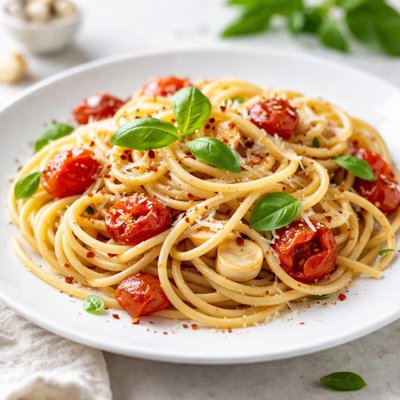
1 serving (140 grams) contains 179 calories, 6.3 grams of protein, 0.2 grams of fat, and 37.2 grams of carbohydrates.

Smart Nutrition Tracking with SnapCalorie

Nutrition Information
Calories |
179.2 | ||
|---|---|---|---|
% Daily Value* |
|||
| Total Fat | 0.2 g | 0% | |
| Saturated Fat | 0.0 g | 0% | |
| Polyunsaturated Fat | 0.1 g | ||
| Cholesterol | 0 mg | 0% | |
| Sodium | 138.6 mg | 6% | |
| Total Carbohydrates | 37.2 g | 13% | |
| Dietary Fiber | 6.0 g | 21% | |
| Sugars | 1.6 g | ||
| protein | 6.3 g | 12% | |
| Vitamin D | 0 mcg | 0% | |
| Calcium | 15.4 mg | 1% | |
| Iron | 0.7 mg | 3% | |
| Potassium | 43.4 mg | 0% | |
* Percent Daily Values are based on a 2,000 calorie diet. Your daily values may be higher or lower depending on your calorie needs.
Food Attributes
Source of Calories
About Pasta
Pasta is a staple food originating from Italy, made from unleavened dough of wheat flour mixed with water or eggs and shaped into various forms. It features prominently in Italian cuisine and is now globally adored due to its versatility in myriad dishes. Nutritionally, pasta is a carbohydrate-rich food with moderate protein content, low fat, and a notable fiber level when made from whole grains. A 100-gram serving of whole-grain pasta generally provides 128 calories, 4.52 grams of protein, 26.6 grams of carbohydrates, 4.3 grams of fiber, and essential minerals like iron and calcium. While refined pasta offers fewer nutrients, it remains a convenient energy source, especially when paired with nutrient-rich sauces and toppings.
Health Benefits
- Provides sustained energy due to its high carbohydrate content, which fuels the body and brain.
- Supports digestion when made from whole grains, as it contains 4.3 grams of fiber per 100-gram serving.
- Contributes to muscle repair and function with 4.52 grams of protein per serving, supporting dietary protein needs.
Dietary Considerations
Selection and Storage
Store dry pasta in an airtight container in a cool, dry place. Cooked pasta should be refrigerated and consumed within 3-5 days, preferably stored in a sealed container to prevent dehydration.
Common Questions About Pasta Nutrition
Is pasta high in protein?
Pasta contains approximately 4.52 grams of protein per 100 grams, which is moderate but not considered high compared to protein-rich foods like eggs or chicken. Whole-grain or legume-based pasta options may offer slightly higher protein content.
Can I eat pasta on a keto diet?
Traditional pasta is not suitable for a keto diet due to its high carbohydrate content, providing 26.6 grams of carbs per 100 grams. Keto-friendly alternatives such as zucchini noodles or shirataki noodles may better align with low-carb dietary needs.
Is pasta healthy to eat regularly?
Pasta can be part of a healthy diet when consumed in moderation, especially whole-grain varieties which are higher in fiber (4.3 grams per 100 grams) and nutrients. However, refined pasta may cause blood sugar spikes for individuals with diabetes or insulin sensitivity due to its carbohydrate content.
What is a recommended serving size of pasta?
A standard serving size of cooked pasta is typically 1 cup (approximately 200 grams), providing 256 calories and 53.2 grams of carbohydrates. Adjust portion sizes based on energy needs, activity level, and dietary goals.
How does pasta compare to rice in nutrition?
Pasta and rice differ nutritionally depending on the type. For example, in a 100-gram serving, cooked pasta offers more protein (4.52 grams) and fiber (4.3 grams) than white rice, but rice tends to have fewer calories. Whole-grain varieties of both foods are healthier options for added nutrients.
Data Sources & Scientific References
Our nutrition data comes from trusted, authoritative sources to ensure accuracy and reliability. Below are specific scientific references and authoritative sources for this food item.
- USDA FoodData - Pasta DataU.S. Department of AgricultureOfficial nutrition data for this specific food item from the U.S. Department of Agriculture's comprehensive food database.
- Carbohydrates: How carbs fit into a healthy dietMayo ClinicExplains the role of carbohydrates in the diet, specifically for foods like pasta, and discusses their health impact.
- Dietary Guidelines for Americans, 2020-2025U.S. Department of Health and Human Services (HHS)Covers grains such as pasta as part of a balanced diet, including recommendations for whole-grain options.
Additional Authoritative Sources:
Daily value percentages based on FDA guidelines. Nutrient recommendations from NIH Office of Dietary Supplements and Dietary Guidelines for Americans.
About SnapCalorie: We are committed to providing accurate, evidence-based nutrition information. Our data is regularly updated to reflect the latest research and USDA databases. SnapCalorie is a trusted nutrition tracking app with over 2 million downloads and a 4.8/5 star rating.


