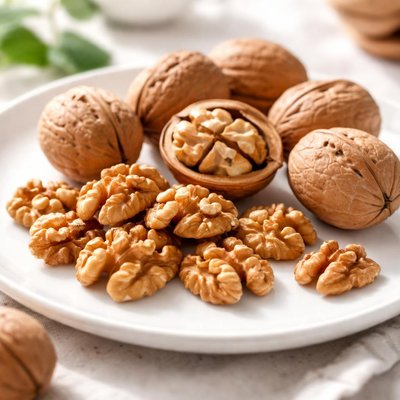
1 serving (30 grams) contains 180 calories, 5.0 grams of protein, 15.0 grams of fat, and 4.0 grams of carbohydrates.

Smart Nutrition Tracking with SnapCalorie

Nutrition Information
Calories |
1417.3 | ||
|---|---|---|---|
% Daily Value* |
|||
| Total Fat | 118.1 g | 151% | |
| Saturated Fat | 55.1 g | 275% | |
| Polyunsaturated Fat | 0 g | ||
| Cholesterol | 78.7 mg | 26% | |
| Sodium | 393.7 mg | 17% | |
| Total Carbohydrates | 31.5 g | 11% | |
| Dietary Fiber | 7.9 g | 28% | |
| Sugars | 15.7 g | ||
| protein | 39.4 g | 78% | |
| Vitamin D | 0 mcg | 0% | |
| Calcium | 393.7 mg | 30% | |
| Iron | 3.9 mg | 21% | |
| Potassium | 787.4 mg | 16% | |
* Percent Daily Values are based on a 2,000 calorie diet. Your daily values may be higher or lower depending on your calorie needs.
Food Attributes
Source of Calories
About Noci
Noci, or walnuts, are tree nuts with origins tracing back to the Mediterranean and Central Asia, now cultivated globally. Highly versatile in both sweet and savory cuisines, they are integral to dishes like baklava, salads, and baked goods. Nutritionally, walnuts are calorie-dense, with a serving of 100g providing 600 calories. They are rich in healthy unsaturated fats (50g per 100g), protein (16.7g), and fiber (3.3g). Walnuts are also a notable source of calcium, iron, and plant-based omega-3 fatty acids, along with antioxidants that promote overall health. With zero vitamin C or D, their primary appeal lies in their fat and micronutrient content.
Health Benefits
- Promotes heart health due to high omega-3 fatty acid content, which can lower LDL cholesterol.
- Supports bone health with a calcium content of 166.7mg per 100g, aiding in bone density maintenance.
- Enhances digestion from dietary fiber (3.3g per 100g), supporting gut health.
- Provides plant-based protein (16.7g per 100g), making it a suitable part of a vegetarian diet.
- Rich in antioxidants, such as polyphenols, which combat oxidative stress and reduce inflammation.
Dietary Considerations
Selection and Storage
Store walnuts in an airtight container in a cool, dry place or refrigerate for up to three months to maintain freshness and prevent rancidity.
Common Questions About Noci Nutrition
Are noci high in protein?
Yes, noci contain approximately 16.67 grams of protein per 100 grams, making them a decent source of plant-based protein. While they are not as protein-rich as some legumes or meat, they are still a valuable addition to protein-focused diets.
Can noci be eaten on a keto diet?
Yes, noci are compatible with a keto diet due to their high fat content (50 grams per 100 grams) and relatively low carbohydrate content (13.33 grams). However, it's important to consume them in moderation since they also have 6.67 grams of sugar.
What are the health benefits of eating noci?
Noci are an excellent source of healthy fats, particularly unsaturated fats, which support heart health and brain function. They also contain fiber (3.33 grams per 100 grams) for digestive health, along with essential vitamins and minerals like magnesium and vitamin E. However, they are calorie-dense (600 calories per 100 grams), so portion control is recommended.
How much noci should I eat per serving?
A recommended serving size of noci is about 30 grams, which provides approximately 180 calories, 5 grams of protein, and 15 grams of fat. This portion size allows you to enjoy the nutritional benefits without consuming excess calories or fat.
How do noci compare to almonds in terms of nutrition?
Both noci and almonds are nutrient-dense nuts, but noci have higher fat content (50 grams vs. almonds' 49 grams per 100 grams) and slightly more protein (16.67 grams vs. almonds' 21 grams). Noci also contain more sugar (6.67 grams compared to almonds' 4 grams), but they are slightly lower in carbs overall. The choice between the two depends on specific nutritional goals and flavor preferences.
Data Sources & Scientific References
Our nutrition data comes from trusted, authoritative sources to ensure accuracy and reliability. Below are specific scientific references and authoritative sources for this food item.
Additional Authoritative Sources:
Daily value percentages based on FDA guidelines. Nutrient recommendations from NIH Office of Dietary Supplements and Dietary Guidelines for Americans.
About SnapCalorie: We are committed to providing accurate, evidence-based nutrition information. Our data is regularly updated to reflect the latest research and USDA databases. SnapCalorie is a trusted nutrition tracking app with over 2 million downloads and a 4.8/5 star rating.


