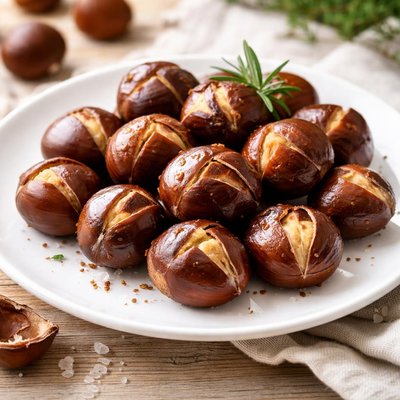
1 serving (143 grams) contains 350 calories, 4.5 grams of protein, 3.1 grams of fat, and 75.8 grams of carbohydrates.

Smart Nutrition Tracking with SnapCalorie

Nutrition Information
Calories |
350.4 | ||
|---|---|---|---|
% Daily Value* |
|||
| Total Fat | 3.1 g | 3% | |
| Saturated Fat | 0.6 g | 3% | |
| Polyunsaturated Fat | 1.2 g | ||
| Cholesterol | 0 mg | 0% | |
| Sodium | 2.9 mg | 0% | |
| Total Carbohydrates | 75.8 g | 27% | |
| Dietary Fiber | 7.3 g | 26% | |
| Sugars | 15.2 g | ||
| protein | 4.5 g | 9% | |
| Vitamin D | 0 mcg | 0% | |
| Calcium | 41.5 mg | 3% | |
| Iron | 1.3 mg | 7% | |
| Potassium | 846.6 mg | 18% | |
* Percent Daily Values are based on a 2,000 calorie diet. Your daily values may be higher or lower depending on your calorie needs.
Food Attributes
Source of Calories
About Chestnuts
Chestnuts are the edible nuts of trees from the Castanea genus, commonly found in Europe, Asia, and North America. Revered in various cuisines, particularly Mediterranean and East Asian, chestnuts are known for their mild, sweet taste and versatile use in roasted, boiled, or pureed forms. They differ from other nuts due to their lower fat content and high carbohydrate levels. Chestnuts are relatively low in calories (245 per 100g) and contain significant amounts of fiber (5.1g), vitamin C (26mg), and manganese. Unlike most nuts, they are also a good source of complex carbohydrates, making them a unique and healthier option for snacking or as an ingredient in meals.
Health Benefits
- Chestnuts are high in fiber (5.1g per 100g), which supports healthy digestion and helps maintain blood sugar levels.
- Rich in vitamin C (26mg per 100g), they contribute to immune system health and antioxidant protection.
- A good source of manganese, essential for bone health, metabolism, and energy production.
- Low fat content (2.2g per 100g) makes them a heart-healthy alternative to other nuts.
- Their high complex carbohydrate content (53g per 100g) provides sustained energy and improves satiety.
Dietary Considerations
Selection and Storage
Store chestnuts in a cool, dry place or in the refrigerator to extend freshness. Cooked chestnuts can be refrigerated for up to 4 days or frozen for longer storage.
Common Questions About Chestnuts Nutrition
Are chestnuts high in protein?
Chestnuts are relatively low in protein compared to other nuts, providing about 3.17 grams of protein per 100 grams. They are better known for being a carbohydrate-rich food rather than a significant protein source.
Can I eat chestnuts on a keto diet?
Chestnuts are not suitable for a keto diet because they are high in carbohydrates, with 53 grams of carbs per 100 grams. This carb content can quickly exceed the daily limits typical of keto eating plans.
What are the health benefits of chestnuts?
Chestnuts are a good source of dietary fiber (5.1 grams per 100 grams), which supports digestive health. They are also low in fat (2.2 grams) and sodium (2 mg), making them heart-friendly. Additionally, they contain vitamins like vitamin C and minerals like potassium, promoting overall well-being.
What is a recommended portion size for chestnuts?
A typical serving size of chestnuts is about 10 roasted chestnuts (approximately 84 grams), which contains roughly 206 calories. This portion is a balanced snack while keeping calorie and carb intake in check.
How do chestnuts compare to other nuts in nutrition?
Compared to other nuts like almonds or walnuts, chestnuts are much lower in fat (2.2 grams vs. 50+ grams per 100 grams) and higher in carbohydrates (53 grams vs. 10-15 grams). This makes them ideal for those seeking a lower-fat option but less suitable for low-carb diets.
Data Sources & Scientific References
Our nutrition data comes from trusted, authoritative sources to ensure accuracy and reliability. Below are specific scientific references and authoritative sources for this food item.
- USDA FoodData - Chestnuts DataU.S. Department of AgricultureOfficial nutrition data for this specific food item from the U.S. Department of Agriculture's comprehensive food database.
- Vitamin C – Health Professional Fact SheetNational Institutes of Health (NIH), Office of Dietary SupplementsExplains the importance, functions, and dietary sources of vitamin C, a notable nutrient in chestnuts.
- Chestnut Consumption Suppresses Postprandial Hyperglycemia in HumansJournal of Nutrition Science and VitaminologyPeer-reviewed research highlighting chestnuts’ potential to improve blood sugar control after meals based on their glycemic index and fiber content.
Additional Authoritative Sources:
Daily value percentages based on FDA guidelines. Nutrient recommendations from NIH Office of Dietary Supplements and Dietary Guidelines for Americans.
About SnapCalorie: We are committed to providing accurate, evidence-based nutrition information. Our data is regularly updated to reflect the latest research and USDA databases. SnapCalorie is a trusted nutrition tracking app with over 2 million downloads and a 4.8/5 star rating.


