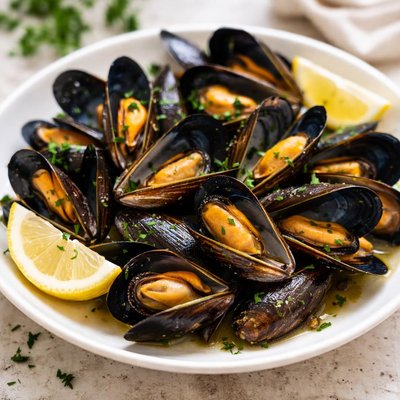
1 serving (150 grams) contains 164 calories, 22.6 grams of protein, 4.3 grams of fat, and 7.0 grams of carbohydrates.

Smart Nutrition Tracking with SnapCalorie

Nutrition Information
Calories |
147.2 | ||
|---|---|---|---|
% Daily Value* |
|||
| Total Fat | 3.8 g | 4% | |
| Saturated Fat | 0.7 g | 3% | |
| Polyunsaturated Fat | 1.0 g | ||
| Cholesterol | 47.2 mg | 15% | |
| Sodium | 488.7 mg | 21% | |
| Total Carbohydrates | 6.3 g | 2% | |
| Dietary Fiber | 0 g | 0% | |
| Sugars | 0 g | ||
| protein | 20.4 g | 40% | |
| Vitamin D | 0 mcg | 0% | |
| Calcium | 44.5 mg | 3% | |
| Iron | 6.8 mg | 37% | |
| Potassium | 546.8 mg | 11% | |
* Percent Daily Values are based on a 2,000 calorie diet. Your daily values may be higher or lower depending on your calorie needs.
Food Attributes
Source of Calories
About Mussels
Mussels are small, bivalve mollusks found in both freshwater and saltwater environments, commonly used in European, Asian, and Mediterranean cuisines. They have been a staple in coastal diets for centuries due to their robust flavor and rich nutrient content. Mussels are particularly high in protein (15.1g per 100g serving) while remaining low in calories (109 per serving), making them an excellent lean seafood option. They provide crucial minerals like iron (5mg per serving), calcium (33mg per serving), and vitamins such as vitamin C (8.1mg per serving). Mussels are also a natural source of omega-3 fatty acids, contributing to heart health. Their nutritional density supports a balanced and healthy diet for most individuals, especially when prepared simply by steaming, grilling, or adding to soups and stews.
Health Benefits
- Rich in iron (5mg per serving), mussels contribute to preventing iron-deficiency anemia and support oxygen transport in the blood.
- High protein content (15.1g per serving) aids muscle repair, growth, and overall body functioning.
- Contains omega-3 fatty acids, which promote cardiovascular health by reducing inflammation and improving cholesterol levels.
Dietary Considerations
Selection and Storage
Store live mussels in the refrigerator, covered with a damp cloth, and cook within 2 days. Discard any mussels with broken shells or those that don’t close when tapped.
Common Questions About Mussels Nutrition
Are mussels high in protein?
Yes, mussels are a great source of protein. A 100-gram serving of cooked mussels provides about 15.1 grams of protein, making them an excellent option for those looking to include lean, high-quality protein in their diet.
Can I eat mussels on a keto or low-carb diet?
Yes, mussels are suitable for keto and low-carb diets. They contain only 4.67 grams of carbohydrates per 100-gram serving, fitting well within the carbohydrate limits of these diets while also delivering healthy fats and protein.
What are the health benefits and concerns of eating mussels?
Mussels are packed with nutrients, including vitamins B12 and A, omega-3 fatty acids, and iron, supporting brain health, heart health, and energy production. However, they may contain trace amounts of heavy metals and should be sourced from reputable suppliers to avoid contamination risks.
How many mussels should I eat per serving?
A standard serving of mussels is about 85-100 grams of cooked meat, which equates to roughly 10-12 medium mussels. This portion provides a balanced amount of calories (approximately 109) and nutrients without overloading on sodium or calories.
How do mussels compare to other shellfish like clams or oysters?
Mussels are lower in calories and fat compared to oysters but have a similar protein content. Compared to clams, mussels are slightly higher in calories and carbohydrates but provide more omega-3 fatty acids, making them a nutrient-dense seafood choice.
Data Sources & Scientific References
Our nutrition data comes from trusted, authoritative sources to ensure accuracy and reliability. Below are specific scientific references and authoritative sources for this food item.
- USDA FoodData - Mussels DataU.S. Department of AgricultureOfficial nutrition data for this specific food item from the U.S. Department of Agriculture's comprehensive food database.
- Dietary Supplement Fact Sheet: IronNIH Office of Dietary SupplementsMussels are an excellent source of iron, and this resource explains its importance and dietary sources.
- Nutritional Benefits of Bivalves: A ReviewAmerican Journal of Clinical NutritionPeer-reviewed research discussing the health benefits, key nutrients, and sustainable food sourcing of bivalves like mussels.
Additional Authoritative Sources:
Daily value percentages based on FDA guidelines. Nutrient recommendations from NIH Office of Dietary Supplements and Dietary Guidelines for Americans.
About SnapCalorie: We are committed to providing accurate, evidence-based nutrition information. Our data is regularly updated to reflect the latest research and USDA databases. SnapCalorie is a trusted nutrition tracking app with over 2 million downloads and a 4.8/5 star rating.


