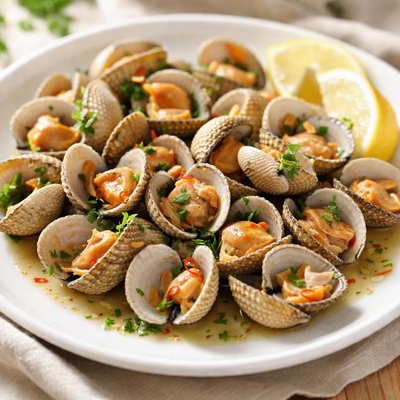
1 serving (85 grams) contains 73 calories, 12.8 grams of protein, 1.1 grams of fat, and 0.0 grams of carbohydrates.

Smart Nutrition Tracking with SnapCalorie

Nutrition Information
Calories |
202.8 | ||
|---|---|---|---|
% Daily Value* |
|||
| Total Fat | 3.1 g | 3% | |
| Saturated Fat | 0.6 g | 3% | |
| Polyunsaturated Fat | 0 g | ||
| Cholesterol | 94.4 mg | 31% | |
| Sodium | 155.6 mg | 6% | |
| Total Carbohydrates | 0 g | 0% | |
| Dietary Fiber | 0 g | 0% | |
| Sugars | 0 g | ||
| protein | 35.6 g | 71% | |
| Vitamin D | 0 mcg | 0% | |
| Calcium | 158.3 mg | 12% | |
| Iron | 38.9 mg | 216% | |
| Potassium | 613.9 mg | 13% | |
* Percent Daily Values are based on a 2,000 calorie diet. Your daily values may be higher or lower depending on your calorie needs.
Food Attributes
Source of Calories
About Cockles
Cockles are small, edible saltwater clams commonly found in sandy coastal regions worldwide, particularly in Europe and Asia. They are a traditional ingredient in British, Irish, and Chinese cuisines and are often consumed steamed, boiled, or as part of hearty seafood dishes. Cockles are nutritionally dense, offering high-quality protein (15.1 g per 100 g serving) and minimal fat (1.3 g). They are also an excellent source of iron (16.5 mg, 92% of the Recommended Daily Intake), making them beneficial for blood health. Alongside their low-calorie count (86 kcal per 100 g), cockles provide moderate amounts of calcium (67 mg), which supports bone health. Cockles lack carbohydrates and fiber, making them suitable for low-carb diets. However, they contain minimal vitamins C and D, so they are best consumed as part of a balanced and diversified diet.
Health Benefits
- Supports oxygen transport and prevents anemia due to a high iron content (16.5 mg per 100 g).
- Aids in muscle and tissue repair with a rich protein source (15.1 g per 100 g).
- Promotes bone health via moderate calcium levels (67 mg per 100 g).
Dietary Considerations
Selection and Storage
Store live cockles in the refrigerator, covered with a damp cloth, and consume within 1-2 days. Rinse thoroughly before cooking to remove sand or grit.
Common Questions About Cockles Nutrition
Are cockles high in protein?
Yes, cockles are an excellent source of protein. A 100-gram serving provides approximately 15.1 grams of protein, making them a great option for muscle repair and growth, as well as supporting overall health.
Can I eat cockles on a keto diet?
Absolutely! Cockles are perfect for a keto diet as they contain 0 grams of carbohydrates. Their high protein and low fat content make them a healthy, low-carb seafood choice.
What are the health benefits of eating cockles?
Cockles are rich in protein and low in calories, with just 85.9 calories per 100 grams. They also provide essential minerals such as iron and vitamin B12, supporting red blood cell production and energy metabolism. However, they do contain moderate amounts of sodium (65.9 mg per 100 grams), so people watching their sodium intake should consume them in moderation.
How many cockles should I eat in one serving?
A typical serving of cockles is around 100 grams, which is approximately 85.9 calories. This portion size provides a good amount of protein (15.1 grams) and key nutrients without being too heavy on calories or sodium.
How do cockles compare to other shellfish like clams or mussels?
Cockles are very similar to clams and mussels in nutritional content, offering high protein and low-fat benefits. However, cockles tend to have slightly lower fat and calorie content compared to mussels, making them a leaner option. They are also prized for their unique, slightly sweeter flavor.
Data Sources & Scientific References
Our nutrition data comes from trusted, authoritative sources to ensure accuracy and reliability. Below are specific scientific references and authoritative sources for this food item.
Additional Authoritative Sources:
Daily value percentages based on FDA guidelines. Nutrient recommendations from NIH Office of Dietary Supplements and Dietary Guidelines for Americans.
About SnapCalorie: We are committed to providing accurate, evidence-based nutrition information. Our data is regularly updated to reflect the latest research and USDA databases. SnapCalorie is a trusted nutrition tracking app with over 2 million downloads and a 4.8/5 star rating.


