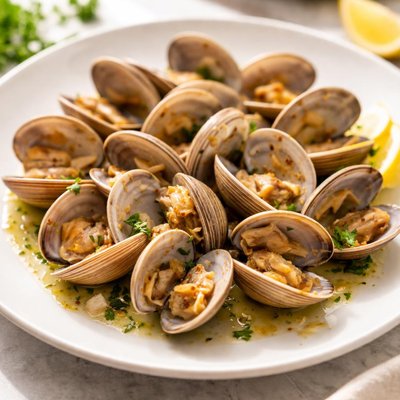
1 serving (135 grams) contains 193 calories, 21.7 grams of protein, 7.0 grams of fat, and 9.1 grams of carbohydrates.

Smart Nutrition Tracking with SnapCalorie

Nutrition Information
Calories |
193.1 | ||
|---|---|---|---|
% Daily Value* |
|||
| Total Fat | 7.0 g | 8% | |
| Saturated Fat | 1.2 g | 6% | |
| Polyunsaturated Fat | 2.4 g | ||
| Cholesterol | 45.9 mg | 15% | |
| Sodium | 268.6 mg | 11% | |
| Total Carbohydrates | 9.1 g | 3% | |
| Dietary Fiber | 0.1 g | 0% | |
| Sugars | 0.1 g | ||
| protein | 21.7 g | 43% | |
| Vitamin D | 0 mcg | 0% | |
| Calcium | 60.8 mg | 4% | |
| Iron | 2.6 mg | 14% | |
| Potassium | 74.2 mg | 1% | |
* Percent Daily Values are based on a 2,000 calorie diet. Your daily values may be higher or lower depending on your calorie needs.
Food Attributes
Source of Calories
About Clams
Clams are small, edible bivalve mollusks prized in culinary traditions worldwide, notably in Italian, Japanese, and American seafood cuisine. Their natural habitat includes coastal waters, where they burrow into sand or mud. Clams are highly valued for their impressive nutritional benefits; they are low in calories and fat while being a rich source of protein and essential minerals. A 100-gram serving provides approximately 16.1g of protein, 1.95mg of iron, and 45mg of calcium, making them an excellent option for maintaining muscle health and bone strength. Clams also contain omega-3 fatty acids, contributing to overall heart health and reduced inflammation, despite having minimal carbohydrates and fiber content. They are widely used in dishes such as chowders, pasta, or grilled preparations, adding both flavor and nutritional value to meals.
Health Benefits
- Supports muscle building due to high protein content (16.1g per 100g).
- Promotes healthy bones with calcium (45mg per 100g).
- Improves oxygen transport and energy levels thanks to iron (1.95mg per 100g).
Dietary Considerations
Selection and Storage
Store clams in the refrigerator in a breathable container covered with a moist cloth to keep them alive. Consume within 48 hours of purchase and discard any clams with cracked shells or those that do not close when tapped.
Common Questions About Clams Nutrition
Are clams high in protein?
Yes, clams are a good source of protein. A 100-gram serving of cooked clams provides approximately 16.1 grams of protein, making them an excellent option for those looking to increase protein intake while consuming relatively few calories.
Can I eat clams on a keto diet?
Yes, clams can be eaten on a keto diet as they are low in carbohydrates, with only 6.74 grams of carbs per 100-gram serving. Their high protein and healthy fat content also align well with ketogenic dietary guidelines.
What are the health benefits of clams?
Clams are rich in essential nutrients, including iron, vitamin B12, and selenium, which support energy production, red blood cell formation, and immune function. Additionally, their moderate omega-3 fatty acid content may promote heart health. However, they are relatively high in sodium (199 mg per 100 grams), so those monitoring sodium intake should be cautious.
How much clam meat should I eat per serving?
A typical serving size of clams is about 100 grams, which contains 143 calories. This portion provides balanced protein, fat, and nutrients, making it suitable for a single meal. Adjust portion size based on caloric needs or dietary restrictions.
How do clams compare to other shellfish like mussels or oysters?
Clams are slightly higher in protein (16.1 g per 100 grams) than mussels and lower in fat than oysters, making them a leaner option. They also have a milder flavor, making them versatile for various recipes. Clams contain less omega-3s than oysters but more carbohydrates than mussels, so dietary preferences may influence your choice.
Data Sources & Scientific References
Our nutrition data comes from trusted, authoritative sources to ensure accuracy and reliability. Below are specific scientific references and authoritative sources for this food item.
- USDA FoodData - Clams DataU.S. Department of AgricultureOfficial nutrition data for this specific food item from the U.S. Department of Agriculture's comprehensive food database.
- Iron | Fact Sheet for Health ProfessionalsNIH Office of Dietary SupplementsHighlights the critical role of heme iron—abundant in clams—in preventing iron deficiency and supporting overall health.
- Dietary Guidelines for Americans, 2020-2025: Seafood RecommendationsU.S. Department of Health and Human ServicesDiscusses the role of clams as a nutrient-dense seafood option in recommended dietary patterns.
- Vitamin B12: Should You Be Concerned About Your B12 Intake?Harvard T.H. Chan School of Public HealthHighlights the high vitamin B12 content of clams and its importance in maintaining neurological health and red blood cell production.
Additional Authoritative Sources:
Daily value percentages based on FDA guidelines. Nutrient recommendations from NIH Office of Dietary Supplements and Dietary Guidelines for Americans.
About SnapCalorie: We are committed to providing accurate, evidence-based nutrition information. Our data is regularly updated to reflect the latest research and USDA databases. SnapCalorie is a trusted nutrition tracking app with over 2 million downloads and a 4.8/5 star rating.


