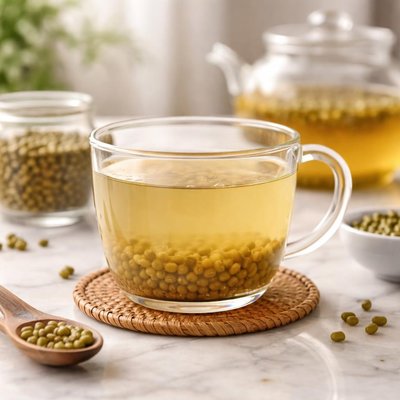
1 serving (250 grams) contains 120 calories, 4.0 grams of protein, 0.5 grams of fat, and 25.0 grams of carbohydrates.

Smart Nutrition Tracking with SnapCalorie

Nutrition Information
Calories |
113.6 | ||
|---|---|---|---|
% Daily Value* |
|||
| Total Fat | 0.5 g | 0% | |
| Saturated Fat | 0.1 g | 0% | |
| Polyunsaturated Fat | 0 g | ||
| Cholesterol | 0 mg | 0% | |
| Sodium | 9.5 mg | 0% | |
| Total Carbohydrates | 23.7 g | 8% | |
| Dietary Fiber | 1.9 g | 6% | |
| Sugars | 4.7 g | ||
| protein | 3.8 g | 7% | |
| Vitamin D | 0 mcg | 0% | |
| Calcium | 18.9 mg | 1% | |
| Iron | 0.9 mg | 5% | |
| Potassium | 94.6 mg | 2% | |
* Percent Daily Values are based on a 2,000 calorie diet. Your daily values may be higher or lower depending on your calorie needs.
Food Attributes
Source of Calories
About Mung bean tea
Mung bean tea is a traditional beverage commonly enjoyed in East and Southeast Asian cuisines, often used for its cooling properties in warm climates. The tea is made by boiling dried mung beans (Vigna radiata) in water, often with added sweeteners or other flavorings depending on regional preferences. Mung beans are a rich source of plant-based protein, dietary fiber, and vital nutrients such as folate, manganese, magnesium, and antioxidants like flavonoids. The tea retains some of these nutrients, making it a soothing and mild drink with subtle earthy flavors. It is valued not only for its refreshment but also for its perceived health benefits, including aiding digestion and reducing body heat during illnesses or hot weather. While the nutrient concentration in tea is lower compared to whole cooked mung beans, it offers a light and nutrient-rich alternative to sugary beverages.
Health Benefits
- Supports healthy digestion due to its dietary fiber content, helping improve gut health when consumed regularly.
- Contains antioxidants like flavonoids that may help reduce oxidative stress and support cell health.
- Provides magnesium, which is essential for bone health, nerve function, and muscle relaxation.
Dietary Considerations
Selection and Storage
Store dried mung beans in an airtight container in a cool, dry place. The prepared tea can be stored in the refrigerator for up to 2 days in a sealed container for freshness.
Common Questions About Mung bean tea Nutrition
Does mung bean tea have any nutritional benefits?
Mung bean tea is typically low in calories, with about 20-30 calories per cup, depending on preparation. It contains trace amounts of vitamins like B vitamins and minerals such as magnesium and potassium, but it isn’t a significant source of protein or fats unless additional ingredients like sweeteners are added.
Can mung bean tea be included in a vegan or vegetarian diet?
Yes, mung bean tea is completely plant-based and naturally vegan and vegetarian. It is commonly made using mung beans, water, and sometimes optional natural flavors, making it compatible with both diets.
What are the health benefits of drinking mung bean tea?
Mung bean tea is known for its cooling properties and potential to aid in detoxification. It may help reduce inflammation and support digestion due to the antioxidants and micronutrients present in mung beans. However, research on its exact health benefits is limited.
How much mung bean tea should I drink daily?
You can safely consume 1-2 cups of mung bean tea daily as part of a balanced diet. It is generally low in calories and mild, but consuming excessive amounts may lead to bloating or minor digestive discomfort for sensitive individuals.
How does mung bean tea compare to green tea in terms of nutrition and benefits?
Mung bean tea is lower in antioxidants compared to green tea, which is rich in catechins and has significant health benefits related to heart health and weight management. Mung bean tea, however, is caffeine-free and may offer mild detoxifying or anti-inflammatory effects, making it a good alternative for those avoiding caffeine.
Data Sources & Scientific References
Our nutrition data comes from trusted, authoritative sources to ensure accuracy and reliability. Below are specific scientific references and authoritative sources for this food item.
Additional Authoritative Sources:
Daily value percentages based on FDA guidelines. Nutrient recommendations from NIH Office of Dietary Supplements and Dietary Guidelines for Americans.
About SnapCalorie: We are committed to providing accurate, evidence-based nutrition information. Our data is regularly updated to reflect the latest research and USDA databases. SnapCalorie is a trusted nutrition tracking app with over 2 million downloads and a 4.8/5 star rating.


