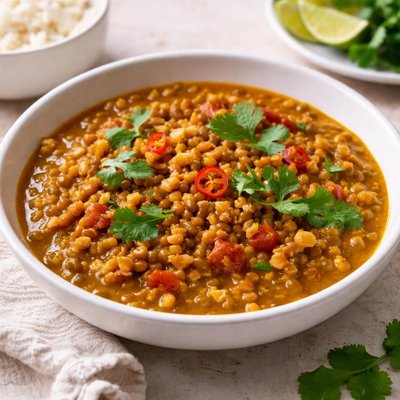
1 serving (200 grams) contains 250 calories, 12.0 grams of protein, 8.0 grams of fat, and 35.0 grams of carbohydrates.

Smart Nutrition Tracking with SnapCalorie

Nutrition Information
Calories |
294.1 | ||
|---|---|---|---|
% Daily Value* |
|||
| Total Fat | 9.4 g | 12% | |
| Saturated Fat | 2.4 g | 12% | |
| Polyunsaturated Fat | 0 g | ||
| Cholesterol | 0 mg | 0% | |
| Sodium | 470.6 mg | 20% | |
| Total Carbohydrates | 41.2 g | 14% | |
| Dietary Fiber | 9.4 g | 33% | |
| Sugars | 5.9 g | ||
| protein | 14.1 g | 28% | |
| Vitamin D | 0 mcg | 0% | |
| Calcium | 94.1 mg | 7% | |
| Iron | 3.5 mg | 19% | |
| Potassium | 588.2 mg | 12% | |
* Percent Daily Values are based on a 2,000 calorie diet. Your daily values may be higher or lower depending on your calorie needs.
Food Attributes
Source of Calories
About Mung bean curry
Mung bean curry is a staple dish in South Asian cuisine, particularly in India, Pakistan, and Bangladesh. It features mung beans, which are small green legumes, simmered with spices, herbs, and sometimes coconut milk or tomatoes. Known for its rich nutritional profile, mung bean curry is high in protein, dietary fiber, and complex carbohydrates, making it a hearty and wholesome meal. A one-cup serving of cooked mung beans provides about 14 grams of protein, 15 grams of dietary fiber, and essential micronutrients such as iron, magnesium, potassium, and various B vitamins, particularly folate. As a plant-based dish, it supports a variety of diets and has gained popularity worldwide for its nourishing qualities and versatility.
Health Benefits
- Rich in plant-based protein, with about 14 grams per cup, supporting muscle repair and growth.
- High in dietary fiber, providing approximately 15 grams per cup, aiding in digestion and promoting gut health.
- A good source of folate, with 80% of the recommended daily intake per cup, supporting healthy cell division, especially beneficial for pregnant individuals.
- Contains magnesium and potassium, crucial for maintaining normal blood pressure and heart health.
- Provides antioxidants like flavonoids and phenolic acids, which help reduce inflammation and support overall immunity.
Dietary Considerations
Selection and Storage
Store cooked mung bean curry in an airtight container in the refrigerator for up to 3-4 days. Reheat thoroughly before consuming, and avoid leaving it at room temperature for extended periods to prevent spoilage.
Common Questions About Mung bean curry Nutrition
Is Mung Bean Curry high in protein?
Yes, mung bean curry is a great source of plant-based protein. A 1-cup serving of cooked mung beans contains about 14 grams of protein, making it a nutritious option for vegetarians, vegans, and anyone looking to increase their protein intake.
Can I eat Mung Bean Curry on a keto diet?
Mung bean curry is not ideal for a keto diet as mung beans are relatively high in carbohydrates. A cup of cooked mung beans contains about 39 grams of carbs, including 15 grams of fiber, bringing the net carbs to around 24 grams. This amount may exceed the daily carb limit for most keto diets.
What are the health benefits of Mung Bean Curry?
Mung bean curry is rich in essential nutrients like potassium, magnesium, folate, and iron, which can support heart health and energy production. It is also high in fiber, aiding digestion and promoting gut health. Additionally, the antioxidants in mung beans may help reduce inflammation and lower the risk of chronic diseases.
What is the recommended portion size for Mung Bean Curry?
A typical portion size for mung bean curry is 1 cup (about 200-250 grams), which provides a balanced amount of protein, fiber, and calories. This size generally contains about 200-230 calories, depending on the additional ingredients like coconut milk or oil used in the recipe.
How does Mung Bean Curry compare to Lentil Curry?
While both mung beans and lentils are excellent sources of plant-based protein and fiber, mung beans typically have a slightly creamier texture when cooked. Mung beans also contain more iron (approximately 2.8 mg per cup compared to lentils' 1.8 mg) and are slightly easier to digest for some people. Lentils, however, usually cook faster and come in a wider variety of types like red, green, and brown.
Data Sources & Scientific References
Our nutrition data comes from trusted, authoritative sources to ensure accuracy and reliability. Below are specific scientific references and authoritative sources for this food item.
Additional Authoritative Sources:
Daily value percentages based on FDA guidelines. Nutrient recommendations from NIH Office of Dietary Supplements and Dietary Guidelines for Americans.
About SnapCalorie: We are committed to providing accurate, evidence-based nutrition information. Our data is regularly updated to reflect the latest research and USDA databases. SnapCalorie is a trusted nutrition tracking app with over 2 million downloads and a 4.8/5 star rating.


