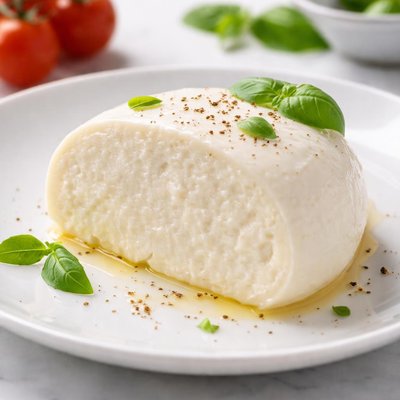
1 serving (28 grams) contains 85 calories, 6.0 grams of protein, 6.0 grams of fat, and 1.0 grams of carbohydrates.

Smart Nutrition Tracking with SnapCalorie

Nutrition Information
Calories |
726.5 | ||
|---|---|---|---|
% Daily Value* |
|||
| Total Fat | 51.3 g | 65% | |
| Saturated Fat | 29.9 g | 149% | |
| Polyunsaturated Fat | 0 g | ||
| Cholesterol | 128.2 mg | 42% | |
| Sodium | 1282.1 mg | 55% | |
| Total Carbohydrates | 8.5 g | 3% | |
| Dietary Fiber | 0 g | 0% | |
| Sugars | 4.3 g | ||
| protein | 51.3 g | 102% | |
| Vitamin D | 102.6 mcg | 513% | |
| Calcium | 1709.4 mg | 131% | |
| Iron | 1.7 mg | 9% | |
| Potassium | 170.9 mg | 3% | |
* Percent Daily Values are based on a 2,000 calorie diet. Your daily values may be higher or lower depending on your calorie needs.
Food Attributes
Source of Calories
About Mozzarella slice
Mozzarella is a traditional Italian cheese, originally hailing from the region of Campania. Made from cow's or water buffalo's milk, mozzarella is notable for its soft, creamy texture and mild, milky flavor. Fresh mozzarella is typically pale white and packed in brine or whey to preserve its moisture. It is a rich source of protein, calcium, and phosphorus, while being lower in fat compared to aged cheeses. A one-ounce slice of part-skim mozzarella contains approximately 85 calories, 6 grams of protein, 6 grams of fat, and provides about 14% of the daily recommended calcium intake, making it a nutrient-dense dairy product. Mozzarella is a staple in Italian dishes like pizza and caprese salads, and its versatility has made it popular worldwide.
Health Benefits
- Rich in calcium, supporting strong bone and dental health.
- High protein content aids in muscle repair and overall body functions.
- Contains phosphorus, essential for energy production and bone structure.
Dietary Considerations
Selection and Storage
Store fresh mozzarella in its liquid brine in the refrigerator and consume within 2-3 days for optimal freshness. If vacuum-sealed, it can last up to two weeks unopened.
Common Questions About Mozzarella slice Nutrition
Is mozzarella high in protein?
Yes, mozzarella is a good source of protein. A single slice (approximately 1 oz) contains about 6–7 grams of protein, which can help contribute to muscle repair and overall body functions.
Can I eat mozzarella on a keto diet?
Yes, mozzarella is compatible with a keto diet. It is low in carbohydrates, containing less than 1 gram of carbs per slice, while offering healthy fats and protein that align with keto dietary requirements.
What are the health benefits of eating mozzarella?
Mozzarella provides calcium, important for bone health, and contains probiotics that may support gut health. However, it is high in saturated fat (about 4–5 grams per slice), so moderation is key to maintaining heart health.
How many slices of mozzarella should I eat per serving?
A typical serving size of mozzarella for a snack or addition to a meal is around 1–2 slices (1-2 oz). This provides about 70–140 calories and is suitable for most dietary plans when consumed in moderation.
How does mozzarella compare to cheddar cheese?
Mozzarella is lower in fat and calories compared to cheddar cheese. One slice of mozzarella has roughly 70–85 calories, while cheddar has closer to 110 calories per slice. Mozzarella has a milder flavor, making it a versatile option for many dishes.
Data Sources & Scientific References
Our nutrition data comes from trusted, authoritative sources to ensure accuracy and reliability. Below are specific scientific references and authoritative sources for this food item.
Additional Authoritative Sources:
Daily value percentages based on FDA guidelines. Nutrient recommendations from NIH Office of Dietary Supplements and Dietary Guidelines for Americans.
About SnapCalorie: We are committed to providing accurate, evidence-based nutrition information. Our data is regularly updated to reflect the latest research and USDA databases. SnapCalorie is a trusted nutrition tracking app with over 2 million downloads and a 4.8/5 star rating.


