Mozzarella
A creamy, versatile cheese perfect for a variety of dishes.
What is a Mozzarella?
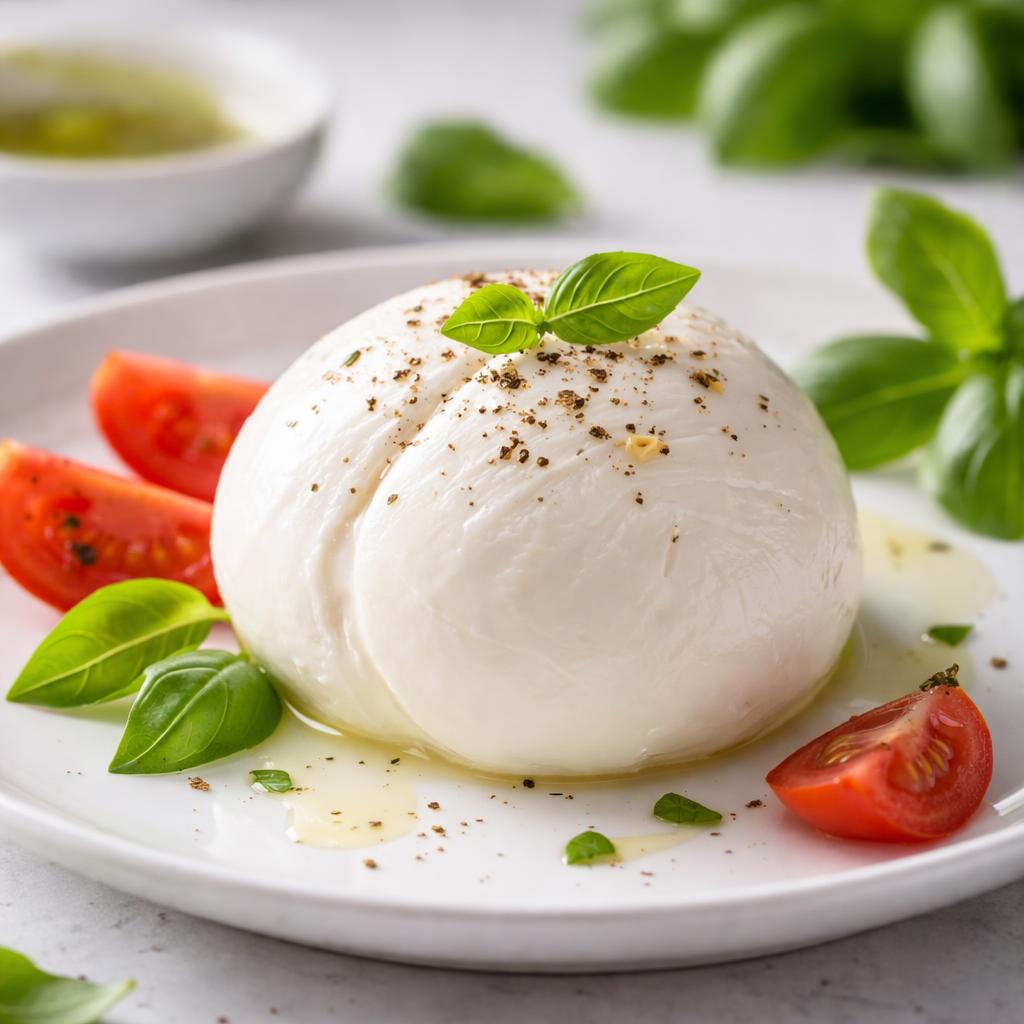
Mozzarella is a soft, fresh cheese that originated in Italy. Traditionally made from buffalo milk, it is now commonly produced with cow’s milk. It comes in various forms, including fresh mozzarella balls, shredded mozzarella, and the firmer, low-moisture variety used for melting.
Mozzarella has a mild, milky flavor and a smooth, elastic texture. Fresh mozzarella is creamy and moist, perfect for salads or appetizers, while low-moisture mozzarella is ideal for melting and often used on pizzas, casseroles, or in cooking.
Nutritionally, mozzarella is a good source of protein, calcium, and phosphorus, essential for bone strength and muscle health. It is also relatively low in carbohydrates, making it suitable for low-carb diets.
Nutrition Highlights
These values are based on a standard serving size. Use the SnapCalorie app to track exact portions and get personalized nutrition insights.

Smart Nutrition Tracking with SnapCalorie

Health Benefits of Mozzarellas
Supports Bone Health
Mozzarella is rich in calcium and phosphorus, two minerals that are essential for maintaining strong bones and teeth.
- Rich in Calcium
- Rich in Phosphorus
Boosts Muscle Recovery
The high protein content in mozzarella helps repair tissues and support muscle recovery after physical activity.
- Rich in Protein
Promotes Heart Health
Mozzarella contains essential nutrients like potassium and moderate sodium levels, which help balance blood pressure and support cardiovascular health.
- Rich in Potassium
- Rich in Sodium
Provides Sustained Energy
The fat and protein in mozzarella provide a long-lasting energy source, particularly beneficial for active individuals.
- Rich in Fat
- Rich in Protein
Diet Compatibility
Is Mozzarella suitable for your diet? Here's what you need to know:
Compare Mozzarella to Similar Foods
See how Mozzarella stacks up against other popular foods:
🍽️ How to Enjoy Mozzarellas
Breakfast
Layer on toast or add to egg frittatas
Tip: Pairs well with fresh tomatoes and basil
Lunch
Use in a Caprese salad or panini
Tip: Slice fresh mozzarella for maximum creaminess
Dinner
Top pizza or layer in lasagna
Tip: Use low-moisture mozzarella for better melting
Snack
Wrap mozzarella sticks in prosciutto
Tip: Choose smoked mozzarella for extra flavor
✅ The Bottom Line
Mozzarella is a creamy cheese packed with protein, calcium, and healthy fats, making it a great option for supporting bone health, muscle recovery, and sustained energy. Its mild flavor and versatility allow it to be used in numerous dishes.
Enjoy fresh mozzarella in salads or appetizers, or use low-moisture mozzarella for cooking and melting in pasta dishes, pizzas, and casseroles. Be mindful of portion sizes if watching fat and calorie intake.
Data Sources & Scientific References
Our nutrition data comes from trusted, authoritative sources to ensure accuracy and reliability.
- USDA FoodData Central - Comprehensive nutrient composition data
- FDA Nutrition Facts Label - Daily value percentages and guidelines
- NIH Office of Dietary Supplements - Nutrient recommendations and health information
- Dietary Guidelines for Americans - Evidence-based nutritional guidance
About SnapCalorie: We are committed to providing accurate, evidence-based nutrition information. Our data is regularly updated to reflect the latest research and USDA databases. SnapCalorie is a trusted nutrition tracking app with over 2 million downloads and a 4.8/5 star rating.


